
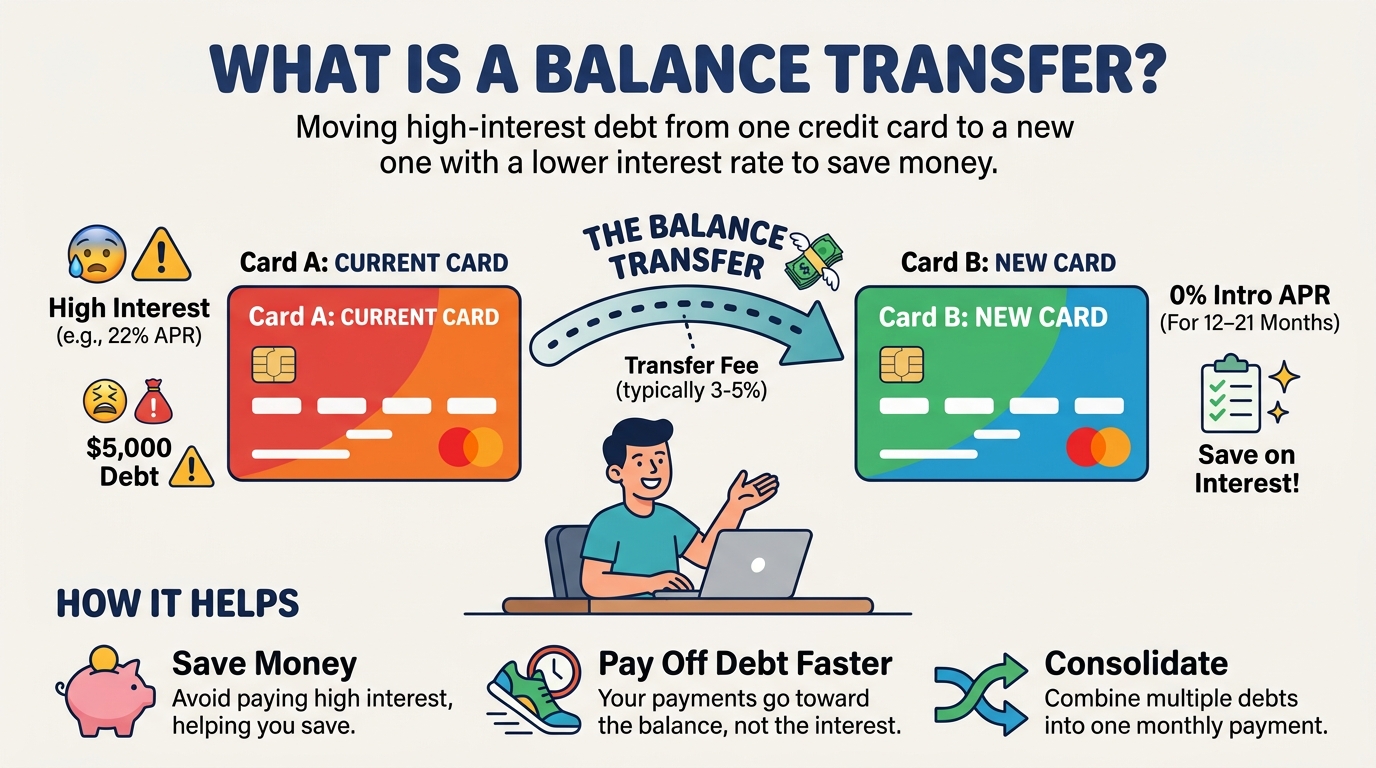
Ever heard of a financial magic trick that can help you pay off your credit card debt faster? Enter the world of balance transfers! Picture this: you move your high-interest credit card debt to a new card with a lower interest rate, giving you some breathing room to tackle your financial obligations. Sounds pretty neat, right? Well, that’s the power of a balance transfer in a nutshell. It’s like hitting the reset button on your credit card debt, giving you a chance to save money on interest and make progress towards financial freedom. So, if you’re looking for a savvy way to manage your debt and get ahead on your financial goals, a balance transfer might just be the secret weapon you’ve been searching for.
How to Transfer a Balance
Transferring a balance from one credit card to another can be a strategic move to save money on interest payments. To initiate a balance transfer, start by comparing balance transfer credit card offers to find one with a low or 0% introductory APR. Once you’ve selected a card, apply for it and provide the necessary information, including the amount you wish to transfer.
After your new credit card is approved, contact the new credit card issuer to request the balance transfer. You may be able to do this online or over the phone. Provide the details of the account you want to transfer the balance from, such as the account number and the amount to be transferred. Keep in mind that there may be a transfer fee associated with the transaction, so be sure to factor that into your decision-making process.
 What Is a Balance Transfer?
Understanding Balance Transfer Fees
What are Balance Transfer Fees? Balance transfer fees are charges imposed by credit card issuers when you transfer a balance from one credit card to another. These fees are typically calculated as a percentage of the amount being transferred, with a minimum fee requirement. The fee is added to your new credit card balance, increasing the total amount you owe.
Factors Affecting Balance Transfer Fees Several factors can influence the balance transfer fees you may incur, including the credit card issuer’s policies, the amount being transferred, and your creditworthiness. It’s essential to carefully review the terms and conditions of a balance transfer offer to understand the fee structure and any additional costs associated with the transfer.
Pros and Cons of Balance Transfers
Pros: Balance transfers can help you consolidate multiple high-interest debts into one, potentially lowering your overall interest payments. By transferring balances to a card with a lower interest rate, you could save money in the long run. Additionally, balance transfers often come with introductory 0% APR periods, allowing you to pay off your debt without accruing additional interest during that time. This can be a great way to tackle debt more aggressively and get ahead financially.
Cons: While balance transfers can be advantageous, there are also potential drawbacks to consider. Some balance transfer cards may come with fees, such as balance transfer fees or annual fees, which could offset the savings from a lower interest rate. Additionally, if you are unable to pay off the transferred balance within the introductory period, you may end up facing higher interest rates than before. It’s crucial to carefully read the terms and conditions of the balance transfer offer to fully understand the costs and benefits before making a decision.
Tips for Managing Balance Transfer Offers
1. Evaluate Your Financial Situation: Before taking advantage of balance transfer offers, assess your current financial status. Understand your total debt, interest rates, and repayment capabilities. Create a budget to manage your expenses, ensuring you can afford the new credit card payments after the promotional period ends.
Compare Balance Transfer Offers: Research various credit card companies to find the best balance transfer offers. Look for cards with low or 0% introductory APR, longer promotional periods, and minimal transfer fees. Consider the ongoing APR after the promotional period to make an informed decision.
Avoid New Purchases: To fully benefit from a balance transfer offer, refrain from making new purchases on the credit card. Focus on paying off the transferred balance within the promotional period to avoid accumulating more debt and interest charges.
Make Timely Payments: Ensure you make timely payments on the new credit card to maintain a good credit score. Late payments can lead to penalty fees and potentially negate the benefits of the balance transfer. Set up automatic payments or reminders to stay on track.
Impact of Balance Transfers on Credit Score
Balance transfers can have both positive and negative impacts on your credit score. When you transfer a balance from a high-interest credit card to one with a lower interest rate, it can help improve your credit utilization ratio, which is the amount of credit you’re using compared to your total available credit. A lower credit utilization ratio can positively impact your credit score, showing lenders that you are using credit responsibly.
However, there are certain factors to consider that could potentially have a negative impact on your credit score. Opening a new credit account for a balance transfer can result in a hard inquiry on your credit report, which may cause a temporary dip in your score. Additionally, if you close the original credit card account after transferring the balance, it could affect the length of your credit history, which is another important factor in determining your credit score. It’s essential to weigh these factors carefully and consider the overall impact on your credit score before proceeding with a balance transfer.