
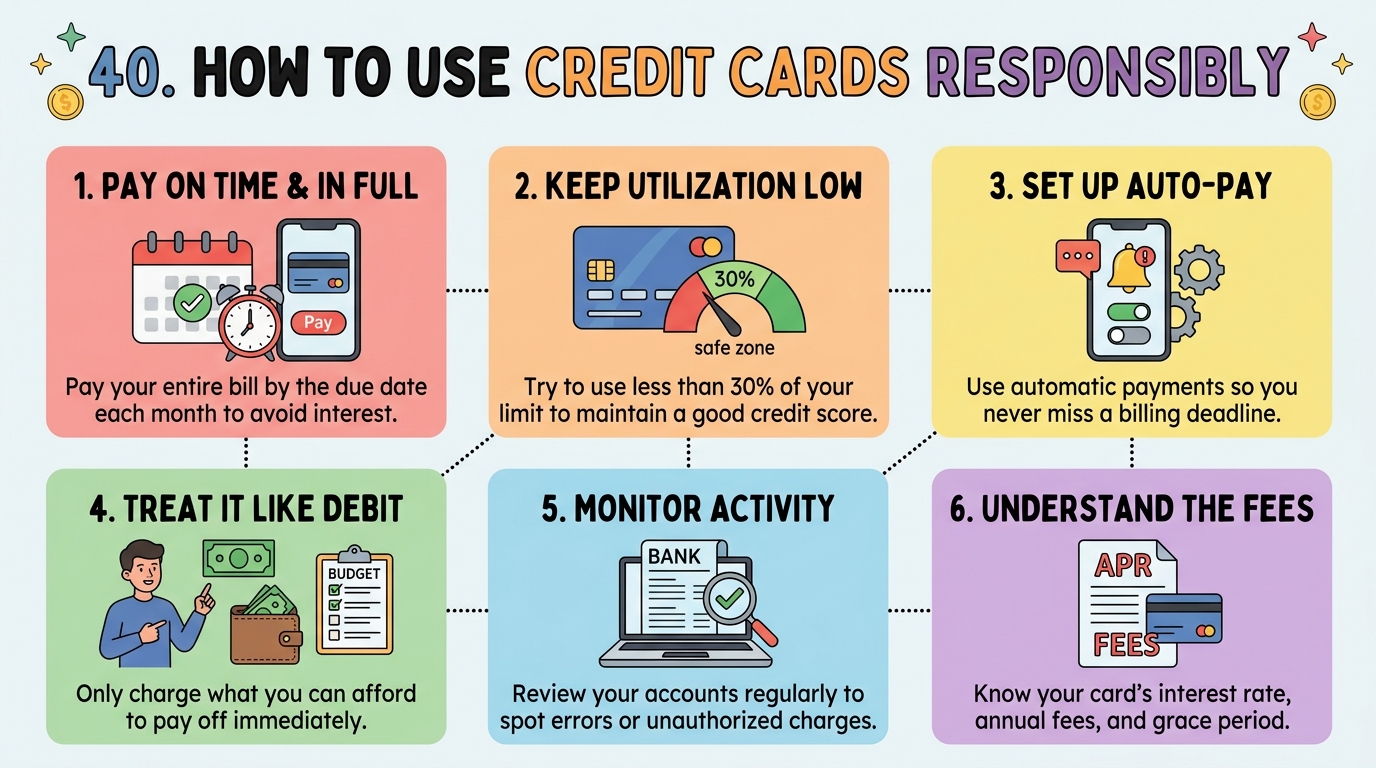
Have you ever felt the exhilaration of swiping your credit card for a spontaneous purchase only to be hit with a wave of guilt later on? We’ve all been there. But fear not, my friend, for using credit cards responsibly is not an impossible feat. It’s all about finding that sweet spot between enjoying the perks of credit and avoiding the pitfalls of debt. By understanding your spending habits, setting a budget, and making timely payments, you can harness the power of credit cards to your advantage. So, buckle up and get ready to master the art of responsible credit card usage – your financial future will thank you.
Benefits of Using Credit Cards
Rewards and Cash Back: One of the primary benefits of using credit cards is the opportunity to earn rewards and cash back on your purchases. Many credit card companies offer rewards programs where you can earn points, miles, or cash back for every dollar you spend. These rewards can be redeemed for travel, merchandise, statement credits, or even cash back, providing you with tangible benefits for using your credit card for everyday purchases.
Consumer Protections: Credit cards often come with built-in consumer protections that can help safeguard your purchases. For example, many credit cards offer purchase protection, extended warranties, and fraud liability protection. In case of unauthorized charges, your liability is typically limited, providing you with peace of mind and additional security when making transactions. These protections can offer valuable benefits and added layers of security that are not always available when using cash or debit cards.
 How to Use Credit Cards Responsibly
Risks of Using Credit Cards
High-interest Rates: One of the primary risks associated with using credit cards is the high-interest rates that can accumulate quickly if the balance is not paid in full each month. This can lead to significant debt over time, making it challenging to manage finances effectively. It is crucial for cardholders to be aware of their interest rates and to pay off their balances promptly to avoid excessive interest charges.
Overspending: Another risk of using credit cards is the temptation to overspend beyond one’s means. With the convenience of making purchases with a simple swipe or tap, cardholders may be inclined to buy items they cannot afford, leading to a cycle of debt accumulation. It is essential for individuals to exercise self-discipline and only use credit cards for purchases that they can pay off within a reasonable timeframe to avoid falling into a debt trap.
Tips for Responsible Credit Card Use
1. Pay Your Balance in Full: One of the most important tips for responsible credit card use is to pay off your balance in full each month. By doing so, you avoid accruing high-interest charges and keep your credit utilization low, which can positively impact your credit score.
Monitor Your Spending: Keep track of your credit card expenses to ensure you stay within your budget. Utilize online banking tools or mobile apps to track your transactions and set up alerts for large purchases or unusual activity.
Avoid Cash Advances: Cash advances on credit cards often come with high fees and interest rates. It’s best to use your credit card for purchases only and avoid withdrawing cash using your card whenever possible.
Be Mindful of Rewards Programs: While credit card rewards can be enticing, be cautious not to overspend just to earn rewards. Choose a rewards program that aligns with your spending habits and make sure the benefits outweigh any annual fees.
Managing Credit Card Debt
Developing a strategy to manage credit card debt is crucial for maintaining financial stability. Begin by creating a detailed budget that outlines your monthly income and expenses. Identify areas where you can cut back on spending to free up more money for debt repayment. Consider using the snowball or avalanche method to tackle your debts – either starting with the smallest balance first or focusing on the highest interest rate debt.
Debt Consolidation Options
Debt consolidation can be a useful tool for simplifying multiple payments into one, potentially lowering your interest rate, and streamlining your debt repayment process. Explore options such as balance transfer credit cards, personal loans, or debt consolidation programs. Be cautious of any fees or terms associated with these options and ensure that you are not simply shifting debt around without a clear plan for repayment.
In conclusion, credit cards can be powerful financial tools when used responsibly. By understanding how credit cards work, the benefits they offer, and the risks involved, individuals can make informed decisions about their financial well-being. It is essential to use credit cards wisely, making timely payments, keeping balances low, and avoiding unnecessary debt. By following the tips for responsible credit card use and actively managing credit card debt, individuals can build a positive credit history and improve their financial health.