
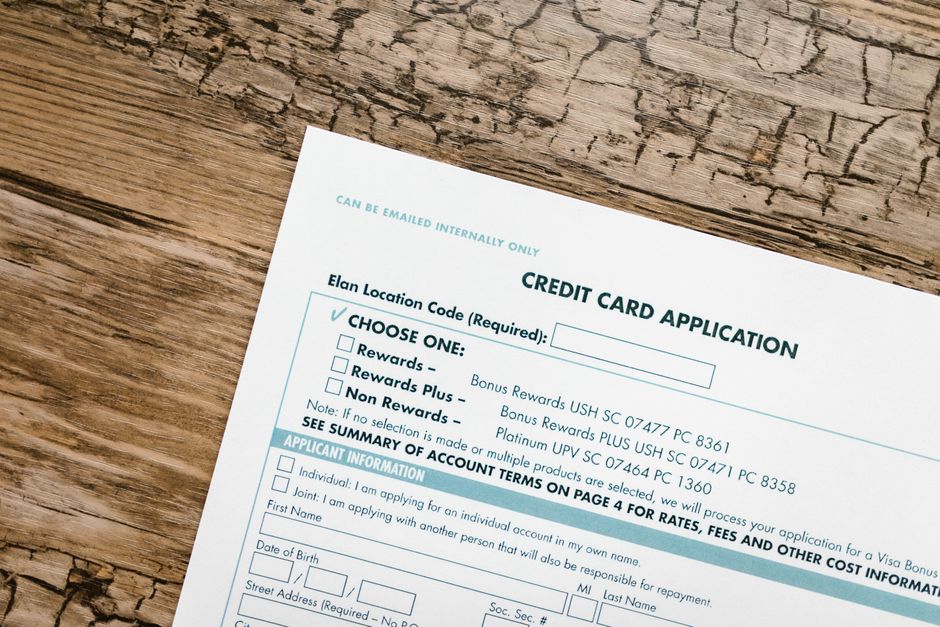
So, you’ve applied for a credit card and received the dreaded denial letter. It can be a frustrating experience, leaving you wondering what went wrong and what steps you can take next. But fear not, because in this blog post, we’re going to cover everything you need to know about handling a credit card application denial. From understanding the reasons behind the rejection to improving your chances for approval in the future, we’ve got you covered. So grab a cup of coffee, sit back, and let’s navigate through this setback together.
Common Reasons for Credit Card Application Denials
When your credit card application gets denied, it’s essential to understand the common reasons behind the rejection. One prevalent reason is a low credit score. Credit card issuers rely heavily on credit scores to assess an individual’s creditworthiness. If your credit score falls below the issuer’s minimum requirement, your application may be denied. Additionally, a history of late payments or high levels of debt can also contribute to a denial. It’s crucial to maintain a good payment history and keep your debt levels in check to increase your chances of approval.
Another common reason for credit card application denials is a lack of income or unstable employment. Credit card companies want to ensure that applicants have a steady income to make timely payments. If you cannot demonstrate a reliable source of income, your application may be turned down. Moreover, errors on your application, such as providing incorrect personal information or failing to disclose all sources of income, can lead to a denial. Double-checking your application for accuracy before submission can help prevent such mistakes and improve your chances of approval.
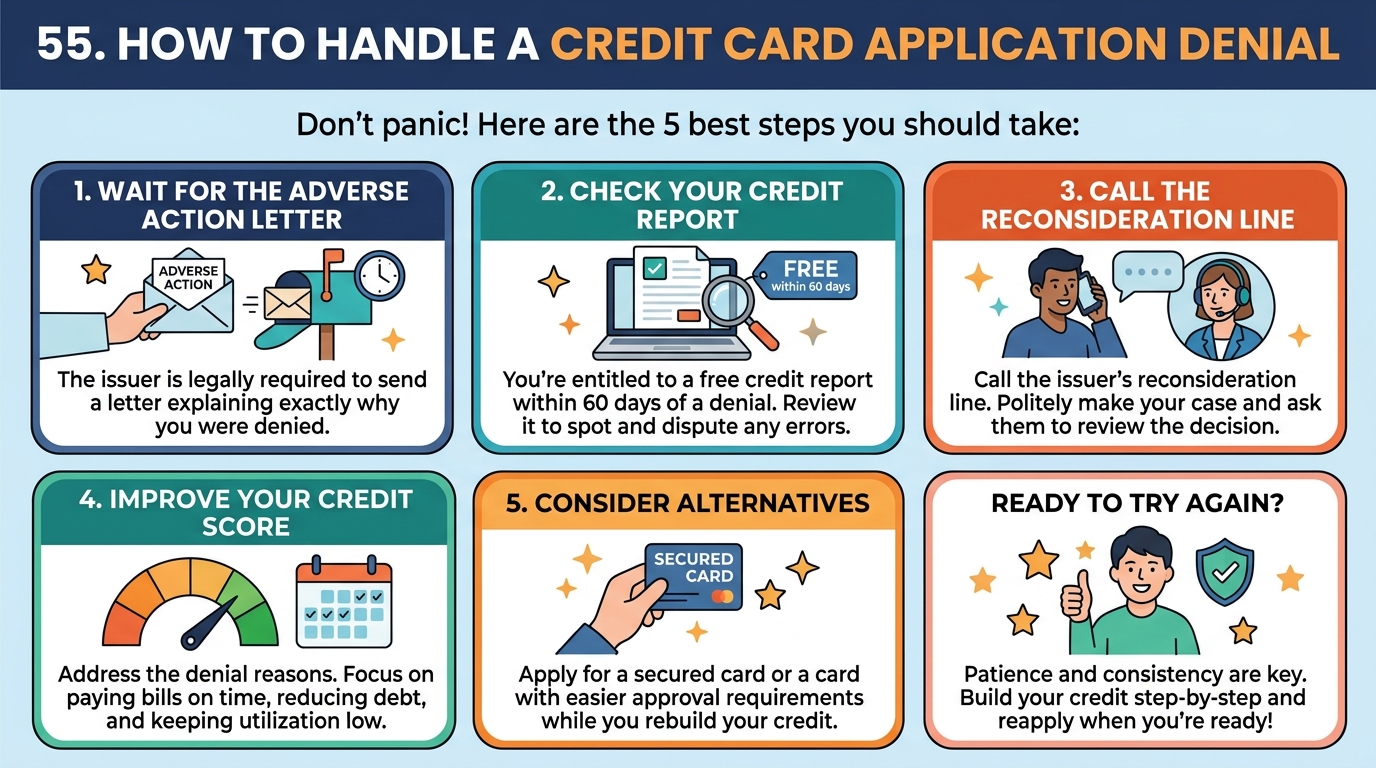
 How to Handle a Credit Card Application Denial“`html
Tips for Improving Your Credit Score After a Denial
1. Review Your Credit Report: Start by obtaining a copy of your credit report to identify any inaccuracies or areas for improvement. Look for errors that may have contributed to your credit card application denial.
Pay Bills on Time: Ensure you pay all your bills on time to avoid late payments that can negatively impact your credit score. Setting up automatic payments or reminders can help you stay on track.
Reduce Credit Card Balances: Aim to lower your credit card balances to improve your credit utilization ratio. Keeping your balances below 30% of your credit limit is generally recommended.
Limit New Credit Applications: Avoid applying for multiple credit cards or loans within a short period, as each application can result in a hard inquiry that may lower your credit score temporarily.
Build a Positive Payment History: Consistently making on-time payments over time can demonstrate responsible financial behavior and improve your credit score gradually.
“`
Alternative Options After a Credit Card Application Denial
Consider Secured Credit Cards: If you’ve been denied a traditional credit card, a secured credit card can be a good alternative. With a secured card, you provide a security deposit that acts as your credit limit. This can help you build or rebuild your credit history.
Explore Credit Builder Loans: Another option is to apply for a credit builder loan. These loans are designed to help individuals establish or improve their credit scores. The lender holds the loan amount in a savings account or certificate of deposit, and you make payments to build your credit history.
How to Dispute a Credit Card Application Denial
Understanding the Process: When your credit card application is denied, you have the right to request more information about why it was rejected. Contact the credit card issuer to understand the specific reasons for the denial. They are required to provide details under the Fair Credit Reporting Act.
Gathering Evidence: To dispute the denial, gather any relevant documentation that supports your creditworthiness. This may include proof of income, payment history, or any other factors that strengthen your case. Be prepared to present this information to the credit card issuer for review.
Reapplying for a Credit Card After a Denial
Consider the waiting period: After receiving a denial for a credit card application, it’s essential to wait before reapplying for the same card or any other card with the same issuer. Rushing into a new application can lead to another denial and negatively impact your credit score further. It’s generally advisable to wait at least 3 to 6 months before reapplying, giving you time to address any issues that may have led to the initial denial.
Review your credit report: Before reapplying, take the time to review your credit report to identify any errors or areas for improvement. Correcting inaccuracies and working on boosting your credit score can increase your chances of approval the next time you apply. Understanding the reasons for the initial denial can help you focus on specific areas that need attention before submitting a new application. Being proactive in addressing these issues can significantly improve your likelihood of success.