
Ever wondered how to break up with your credit card without causing a scene? It’s like navigating a breakup with your finances – delicate, but crucial. Canceling a credit card can be a daunting task, especially when you’re worried about its impact on your credit score. But fear not, we’ve got your back! In this blog post, we’ll walk you through the steps to gracefully cancel a credit card without hurting your precious credit score. So grab a cup of coffee, sit back, and let’s dive into the world of credit card management!
Steps to Cancel a Credit Card Without Hurting Your Score
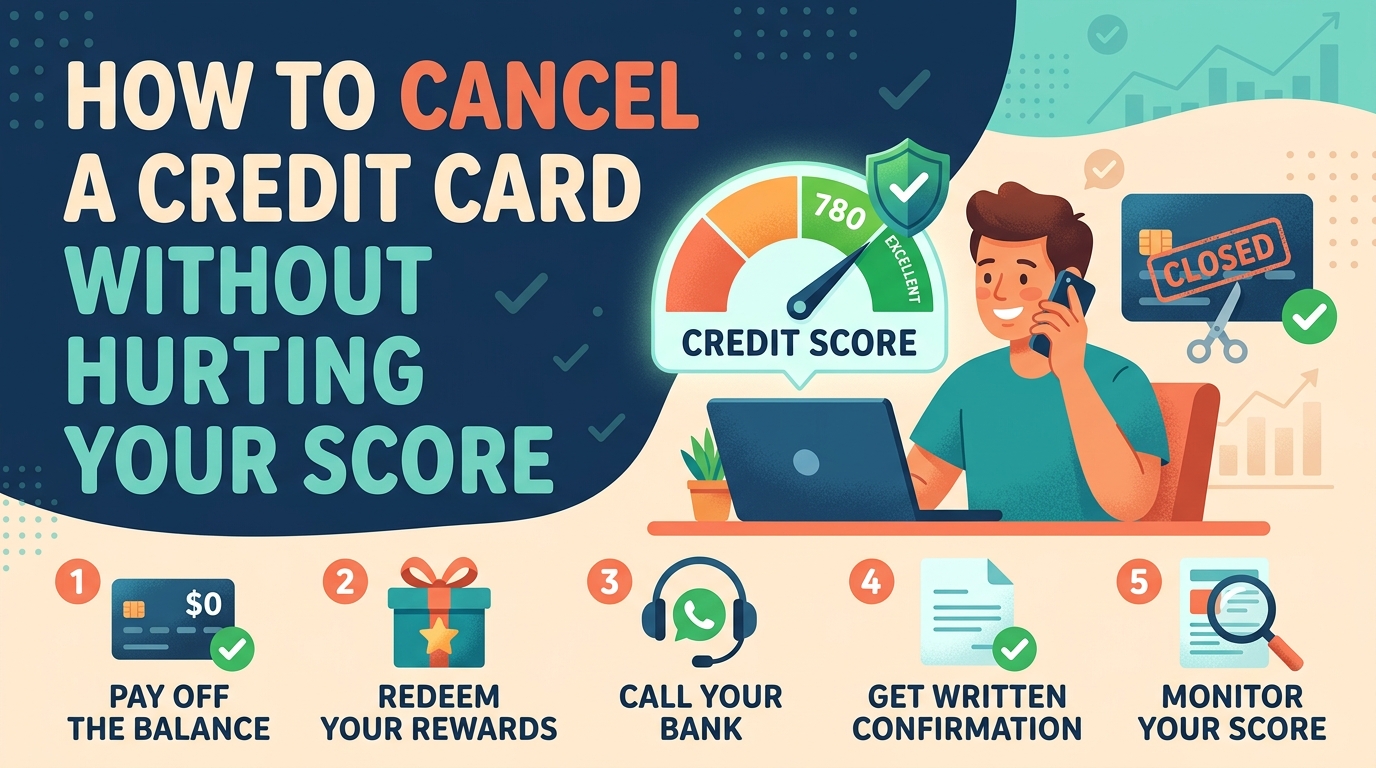
1. Pay off your balance: Before canceling a credit card, make sure to pay off any outstanding balance. This will help you avoid accruing additional interest charges and fees.
Redeem any rewards: If your credit card offers rewards or cash back, make sure to redeem them before closing the account. Otherwise, you may lose any accumulated rewards.
Contact the issuer: Reach out to your credit card issuer via phone or secure message to inform them of your decision to cancel the card. Follow their specific instructions for closing the account.
Request written confirmation: After canceling the card, ask the issuer to provide written confirmation that the account has been closed at your request. Keep this documentation for your records.
Monitor your credit report: Regularly check your credit report to ensure that the canceled credit card account is reflected accurately and that there are no errors or unauthorized activity.
 How to Cancel a Credit Card Without Hurting Your Score
How to Monitor Your Credit Score After Canceling a Credit Card
Regularly Check Your Credit Report: After canceling a credit card, it’s crucial to monitor your credit score to ensure there are no negative impacts from the cancellation. One way to do this is by checking your credit report regularly. Look for any errors or discrepancies that may have occurred as a result of closing the card.
Sign Up for Credit Monitoring Services: Another effective way to keep track of your credit score post-cancellation is by signing up for credit monitoring services. These services provide you with regular updates on your credit score and any changes that occur. They can alert you to any suspicious activity or unauthorized access to your credit information, helping you stay on top of your financial health.
Alternatives to Canceling a Credit Card
Keep the Card Open: Instead of canceling a credit card, consider keeping it open with a zero balance. This can help maintain your credit utilization ratio and overall credit history. Additionally, keeping the card open can potentially improve your average account age, which is a positive factor in credit scoring models.
Downgrade the Card: Some credit card issuers may offer the option to downgrade your card to a no-fee or lower-tier card instead of canceling it. This way, you can maintain the account history while avoiding annual fees or unfavorable terms. Be sure to inquire with your card issuer about available downgrade options.
After considering the potential impact of canceling a credit card on your credit score, it is crucial to weigh the pros and cons before making a decision. Remember that closing a credit card account can affect your credit utilization ratio and average account age, which are key factors in determining your credit score.
Before canceling a credit card, explore alternative options such as keeping the account open with a zero balance or downgrading to a no-fee card. Monitoring your credit score regularly can help you stay informed about any changes and take necessary steps to maintain or improve your score.
Additional Resources
1. Credit Counseling Agencies: Credit counseling agencies offer financial education and guidance to help individuals manage their finances effectively. They can provide resources on credit card management and debt repayment strategies.
2. Consumer Financial Protection Bureau (CFPB): The CFPB is a government agency that provides information and resources to help consumers make informed financial decisions. Their website offers tools and guides on credit card management and credit reporting.
3. Financial Literacy Websites: Websites like NerdWallet, Credit Karma, and The Balance provide valuable information on credit card usage, credit scores, and financial planning. These resources can help individuals make informed decisions about their credit and finances.