
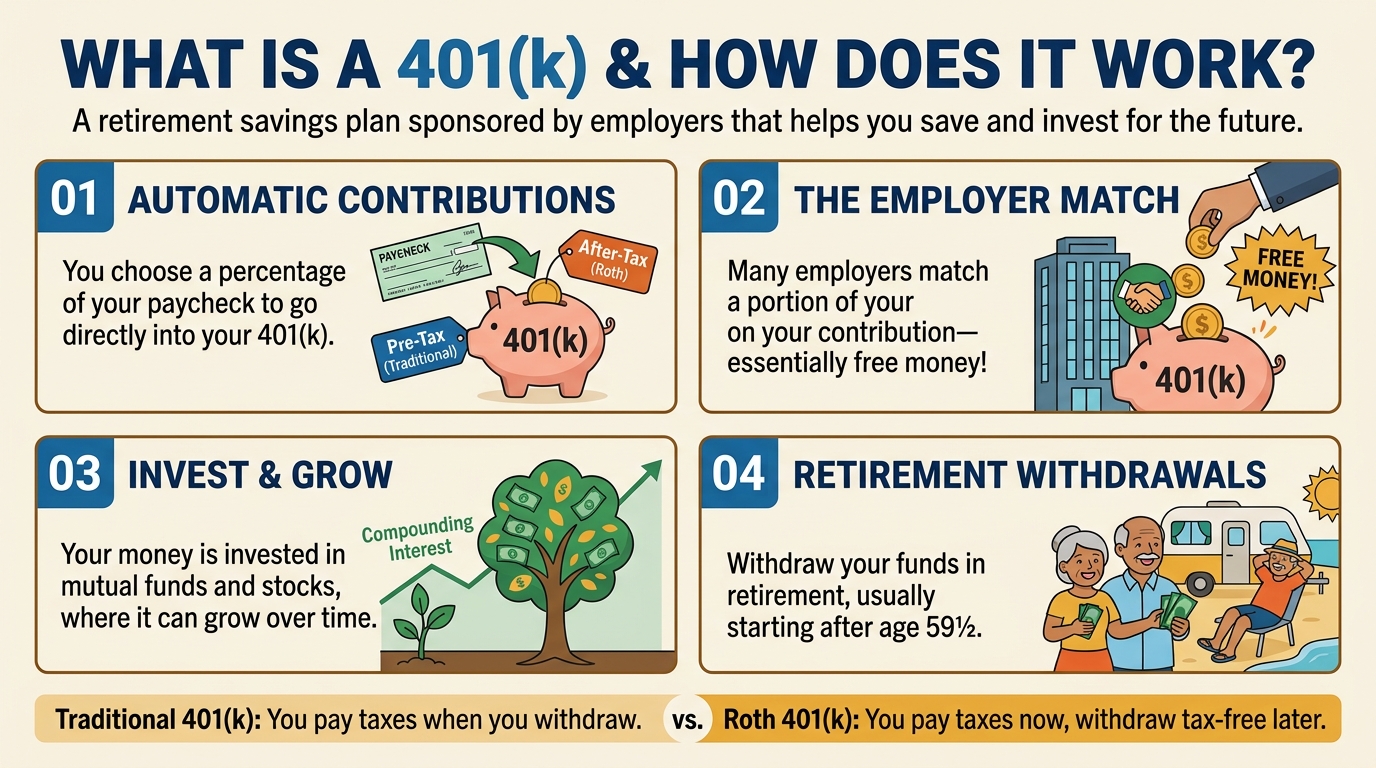
Hey there, savvy savers! Ready to level up your financial knowledge game? Let’s dive into the world of 401(k) plans and unravel the mystery behind this popular retirement savings tool. So, what exactly is a 401(k) and how does it work? Think of it as a superhero cape for your future self, swooping in to save the day when you decide to hang up your work boots and embrace retirement. A 401(k) is like a treasure chest where you stash away a portion of your paycheck, allowing it to grow over time through investments, tax-deferred. It’s like planting seeds that will eventually blossom into a lush retirement garden, providing you with financial security and peace of mind in your golden years. Stay tuned as we unravel the inner workings of the 401(k) and discover how you can harness its power to secure your financial future!
The Ultimate Guide to Credit Scores
Understanding Credit Scores
Credit scores are numerical representations of an individual’s creditworthiness based on their credit history and financial behavior. Lenders use these scores to assess the risk of lending money to someone. The most common credit scoring models range from 300 to 850, with a higher score indicating lower risk.
Factors That Impact Credit Scores
Several factors influence credit scores, including payment history, credit utilization, length of credit history, types of credit used, and new credit inquiries. Payment history carries the most significant weight, highlighting the importance of making timely payments on debts. Keeping credit card balances low relative to credit limits can also positively impact scores.
 What Is a 401(k) and How Does It Work?
5 Steps to Improve Your Financial Health
Step 1: Assess Your Current Financial Situation
Begin by taking a detailed look at your income, expenses, assets, and liabilities. Create a budget to track your spending and identify areas where you can cut costs. Understanding your financial standing is essential for making informed decisions.
Step 2: Set Clear Financial Goals
Define short-term and long-term financial goals that are specific, measurable, achievable, relevant, and time-bound (SMART). Whether it’s paying off debt, saving for a major purchase, or building an emergency fund, having clear objectives will help guide your financial decisions.
Step 3: Create a Realistic Action Plan
Based on your financial assessment and goals, develop a practical plan of action. This may involve increasing your income through side hustles, reducing unnecessary expenses, or automating savings contributions. Implementing concrete steps will help you stay on track towards financial improvement.
Step 4: Manage and Reduce Debt
Evaluate your existing debts and prioritize paying off high-interest debts first. Consider debt consolidation or negotiation with creditors to lower interest rates. Develop a repayment strategy and commit to making consistent payments to reduce debt effectively.
Step 5: Build and Protect Your Savings
Establish an emergency fund with at least three to six months’ worth of living expenses. Additionally, focus on saving for retirement and other long-term goals by contributing to retirement accounts and investment portfolios. Implement measures to protect your savings, such as insurance coverage and estate planning.
Understanding Different Types of Investments
Stocks: Stocks represent ownership in a company and can offer potential for high returns but also come with higher risk. Investors can buy and sell stocks on stock exchanges.
Bonds: Bonds are debt securities issued by governments or corporations to raise capital. They typically offer lower returns than stocks but are considered safer investments.
Mutual Funds: Mutual funds pool money from multiple investors to invest in a diversified portfolio of stocks, bonds, or other securities. They are managed by professional fund managers.
Real Estate: Investing in real estate involves buying properties to generate rental income or capital appreciation. Real estate can provide steady cash flow and potential tax benefits.
Commodities: Commodities include raw materials like gold, oil, and agricultural products. Investing in commodities can help diversify a portfolio and provide a hedge against inflation.
How to Create a Successful Savings Plan
Setting Financial Goals: Creating a successful savings plan starts with setting clear financial goals. Determine what you are saving for, whether it’s a new car, a vacation, or building an emergency fund. Having specific goals will help you stay motivated and focused on saving.
Budgeting and Tracking Expenses: Develop a budget to track your income and expenses. Knowing where your money is going will help you identify areas where you can cut back and save more. Consider using budgeting tools or apps to make this process easier and more efficient.
The Importance of Emergency Funds
Why Emergency Funds Matter: Emergency funds are essential for financial security and stability. They provide a safety net in unexpected situations such as job loss, medical emergencies, or major home repairs. Having an emergency fund can prevent you from going into debt or having to liquidate investments during tough times.
How to Build an Emergency Fund: Start by setting a goal for your emergency fund, typically 3 to 6 months’ worth of living expenses. Create a budget to track your income and expenses, and allocate a portion of your income to savings each month. Consider automating your savings by setting up automatic transfers to your emergency fund account. Keep your emergency fund in a separate, easily accessible account, such as a high-yield savings account, to ensure you can access the funds quickly when needed.