
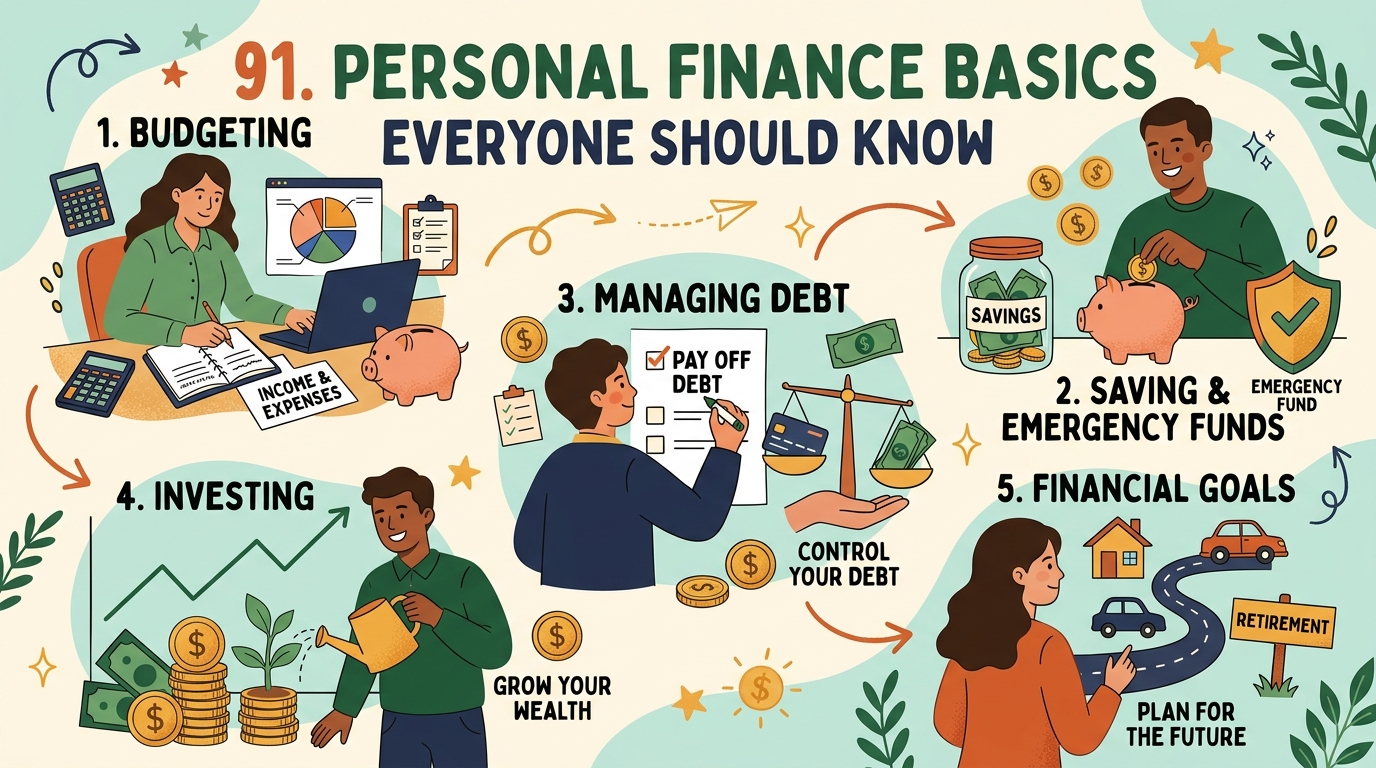
Hey there, savvy savers and money masters! Ever find yourself drowning in a sea of financial jargon and complex terms? Fear not, because today we’re diving into the world of personal finance basics – the essential knowledge that can truly make or break your financial future. From budgeting like a boss to understanding the magic of compound interest, these fundamental principles are the building blocks for a solid financial foundation. So, whether you’re a fresh-faced graduate or a seasoned pro looking to brush up on your money skills, buckle up and get ready to level up your financial game!
Managing Debt
Debt management is crucial for maintaining financial stability and achieving long-term goals. Start by listing all your debts, including credit card balances, loans, and any other outstanding amounts. Next, prioritize your debts based on interest rates, focusing on paying off high-interest debts first to save money in the long run. Consider consolidating debts into a lower-interest loan or credit card to simplify payments and reduce overall interest costs.
Creating a repayment plan is essential to effectively manage debt. Allocate a portion of your monthly budget to debt payments, ensuring you make at least the minimum payments on all debts. If possible, try to pay more than the minimum on high-interest debts to accelerate the payoff process. Stay disciplined and avoid taking on new debt while working towards becoming debt-free. Seek professional advice if you are overwhelmed by debt or struggling to make payments to explore options such as debt consolidation or negotiation with creditors.
 Personal Finance Basics Everyone Should Know
Building an Emergency Fund
Why is an emergency fund important? An emergency fund is a crucial financial safety net that helps individuals navigate unexpected expenses without going into debt. It provides peace of mind and financial security during challenging times such as job loss, medical emergencies, or car repairs. By having an emergency fund, you can avoid dipping into your savings or resorting to high-interest credit cards when unforeseen expenses arise.
How much should you save in an emergency fund? Financial experts typically recommend saving three to six months’ worth of living expenses in an emergency fund. However, the ideal amount can vary based on individual circumstances like income stability, family size, and monthly expenses. It’s essential to assess your financial situation and create a goal that aligns with your specific needs. Start by setting achievable milestones and gradually building your emergency fund to reach the recommended target.
Understanding Credit Scores
What is a Credit Score?
A credit score is a numerical representation of an individual’s creditworthiness based on their credit history. It is used by lenders to assess the risk of lending money to a borrower. Credit scores typically range from 300 to 850, with higher scores indicating better creditworthiness. Factors such as payment history, credit utilization, length of credit history, types of credit, and new credit applications influence a credit score.
Importance of Credit Scores
Credit scores play a crucial role in financial decisions such as loan approvals, interest rates, insurance premiums, and even job applications. A good credit score can help individuals qualify for lower interest rates on loans, saving them money over time. It also reflects responsible financial behavior, which can open up opportunities for better financial products and services. Understanding how credit scores are calculated and how to improve them is key to maintaining a healthy financial profile.
Investing for Beginners
Investing for beginners can be intimidating, but it is a crucial step towards building wealth and securing your financial future. Before diving into the world of investments, it’s essential to understand the basics. Start by setting clear financial goals and determining your risk tolerance. This will help you choose the right investment vehicles that align with your objectives and comfort level.
One popular option for beginners is investing in index funds or exchange-traded funds (ETFs) due to their diversification and lower fees compared to actively managed funds. Additionally, consider opening a retirement account like a 401(k) or an Individual Retirement Account (IRA) to benefit from tax advantages and long-term growth potential. Remember to regularly review and adjust your investment portfolio as your financial situation and goals evolve.
Retirement Planning
Retirement planning is essential for ensuring financial security during your golden years. It involves setting aside a portion of your income and investing it wisely to build a nest egg that will support you in retirement. Start by calculating how much you will need to maintain your desired lifestyle after retirement. Consider factors such as living expenses, healthcare costs, and inflation.
Diversifying your retirement savings is crucial to mitigate risks and maximize returns. Explore retirement account options such as 401(k)s, IRAs, and pension plans. Take advantage of employer-sponsored retirement plans and contribute enough to qualify for any employer matching contributions. Regularly review and adjust your retirement portfolio to ensure it aligns with your goals and risk tolerance as you approach retirement age.