
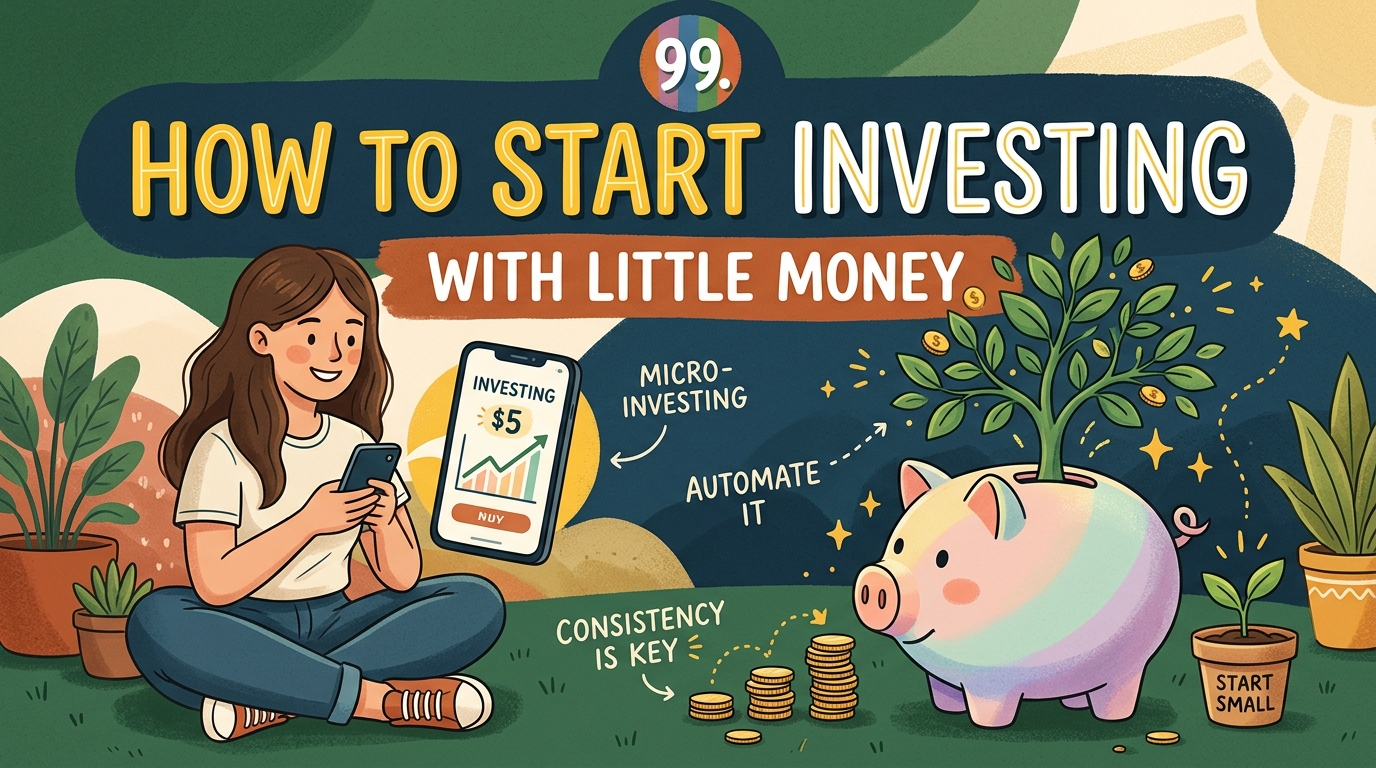
Ready to grow your wealth but think you need a hefty bank account to get started? Think again! Investing with little money is not only possible, but it can be a smart way to kickstart your financial journey. By making strategic decisions and taking advantage of various investment options, you can begin building your portfolio even with limited funds. Whether you’re looking to save for a rainy day or plan for a brighter financial future, starting to invest now, no matter how small the amount, can make a significant difference in the long run. So, let’s dive in and explore how you can start investing with little money and watch your assets grow over time.
Setting Financial Goals
Setting financial goals is a crucial step in achieving financial success. By clearly defining your objectives, you create a roadmap that guides your financial decisions and helps you stay focused on what truly matters to you. Financial goals can be short-term, such as saving for a vacation, or long-term, like buying a home or retiring comfortably.
Having specific and measurable financial goals is essential for tracking your progress and staying motivated. Whether you aim to eliminate debt, build an emergency fund, or increase your retirement savings, setting SMART (Specific, Measurable, Achievable, Relevant, Time-bound) goals can significantly improve your financial well-being. Remember to regularly review and adjust your goals as your financial situation evolves to ensure you stay on the right path towards financial success.
 How to Start Investing With Little Money
Types of Investments for Beginners
Stocks: Investing in stocks means buying a share of ownership in a company. Stocks offer the potential for high returns but also come with higher risks. Beginners can start by investing in well-established companies with a proven track record of performance.
Bonds: Bonds are debt securities issued by governments or corporations. They are considered safer investments compared to stocks as they provide a fixed rate of return over a specified period. Beginners can consider investing in government bonds or investment-grade corporate bonds for stability.
Exchange-Traded Funds (ETFs): ETFs are investment funds that are traded on stock exchanges, similar to stocks. They offer diversification by holding a basket of assets such as stocks, bonds, or commodities. Beginners can benefit from ETFs’ low costs and easy access to a diversified portfolio.
Mutual Funds: Mutual funds pool money from multiple investors to invest in a diversified portfolio of stocks, bonds, or other securities. They are managed by professional fund managers, making them suitable for beginners looking for a hands-off approach to investing.
How to Start Investing with Little Money
1. Start with a Budget: Before you begin investing, it’s crucial to have a clear understanding of your financial situation. Create a budget that outlines your income, expenses, and savings goals. By knowing how much you can afford to invest, you can make informed decisions about where to allocate your funds.
Consider Fractional Shares: Investing in individual stocks can be costly, especially for beginners with limited funds. One way to start investing with little money is to consider fractional shares. With fractional shares, you can purchase a portion of a stock, making it more accessible and affordable for small investors.
Explore Low-Cost Index Funds or ETFs: Index funds and Exchange-Traded Funds (ETFs) are investment options that offer diversification and low fees. These funds pool together money from multiple investors to invest in a diversified portfolio of assets. By investing in low-cost index funds or ETFs, you can start building a diversified investment portfolio with little money.
Tips for Successful Investing
Research Before Investing: One of the key tips for successful investing is to thoroughly research the investment opportunities available. This includes understanding the company or asset you are investing in, analyzing market trends, and seeking expert advice when needed. By conducting proper research, you can make informed decisions and mitigate risks.
Diversify Your Portfolio: Diversification is a fundamental strategy in successful investing. By spreading your investments across different asset classes, industries, and regions, you can reduce the impact of market fluctuations on your overall portfolio. Diversification helps to balance risk and reward, increasing the likelihood of long-term success.
Stay Disciplined and Patient: Successful investing requires discipline and patience. It’s important to stick to your investment plan, avoid emotional decision-making, and resist the urge to constantly buy or sell based on short-term market movements. By staying disciplined and patient, you can ride out market volatility and achieve your long-term financial goals.
Investing is a crucial aspect of financial planning that allows individuals to grow their wealth over time. By making informed decisions and staying committed to their financial goals, investors can achieve financial security and independence. It is essential to remember that investing is a long-term endeavor that requires patience, discipline, and a well-thought-out strategy.
As you embark on your investment journey, it is important to continuously educate yourself, seek advice from financial experts, and regularly review and adjust your investment portfolio as needed. Remember that investing is not a one-size-fits-all approach, and what works for one person may not work for another. By taking a proactive and disciplined approach to investing, you can pave the way for a more secure financial future for yourself and your loved ones.