
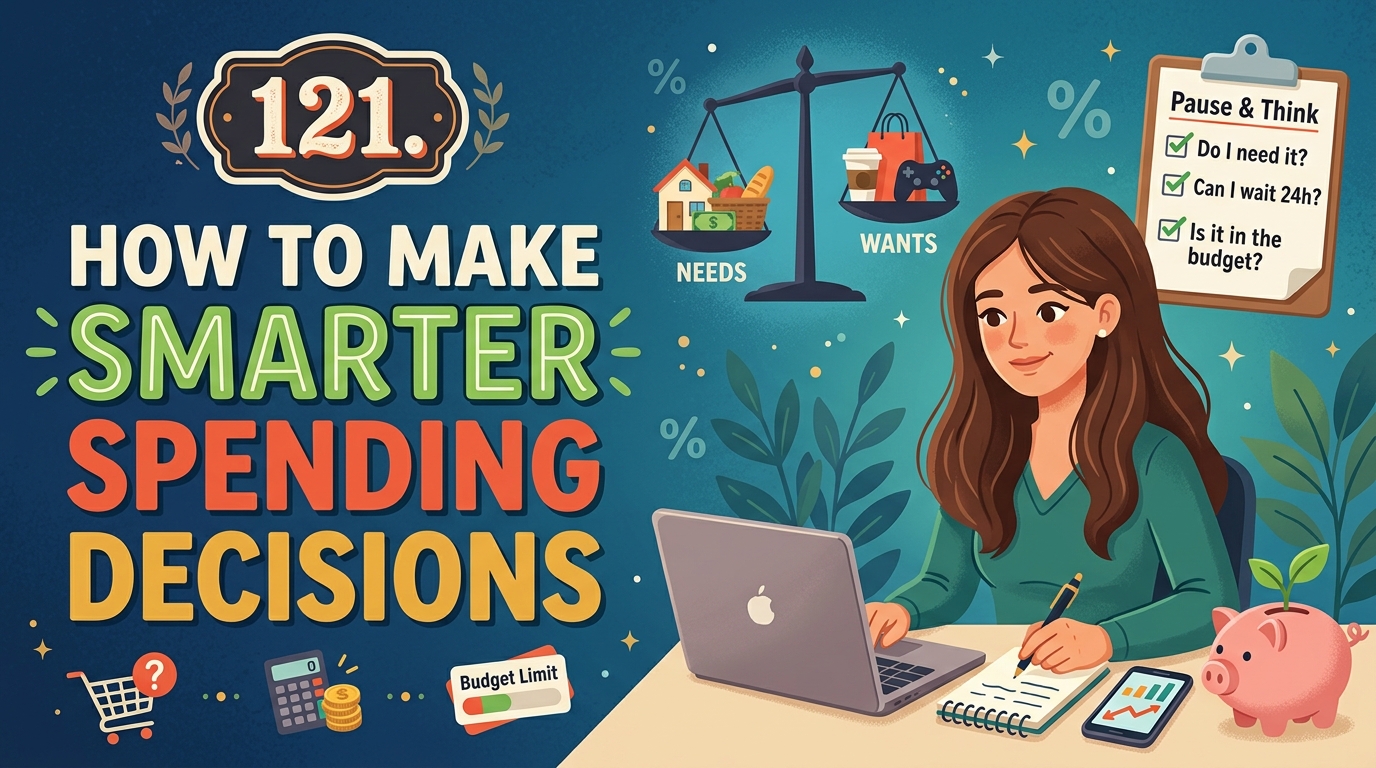
Ever found yourself wondering where all your money went at the end of the month? It’s a common conundrum many of us face, but fear not! Making smarter spending decisions is within your reach. By taking a closer look at your finances and making conscious choices, you can stretch your hard-earned dollars further than you ever thought possible. From setting a budget to tracking your expenses, this guide will show you how to make wiser financial choices that align with your goals and values. Say goodbye to impulse purchases and hello to a more mindful approach to spending. Let’s dive in and start making those dollars work smarter for you!
Setting Financial Goals
Identifying Financial Goals: Setting financial goals is crucial for a successful financial plan. Start by defining short-term, medium-term, and long-term goals. Short-term goals may include saving for a vacation or purchasing a new gadget, while medium-term goals could be buying a car or funding a higher education. Long-term goals typically involve retirement planning, buying a home, or achieving financial independence. Make sure your goals are specific, measurable, achievable, relevant, and time-bound (SMART).
Aligning Goals with Values: Your financial goals should align with your values and priorities. Consider what matters most to you and how your financial goals can help you achieve those values. Whether it’s security, freedom, family, or personal growth, ensure that your goals reflect what is truly important to you. By aligning your goals with your values, you are more likely to stay motivated and committed to achieving them, even when faced with challenges or temptations to stray off course.
 How to Make Smarter Spending Decisions
Creating a Budget
Establishing a budget is a pivotal step in taking control of your finances. A budget serves as a roadmap for your financial decisions, helping you allocate your income towards essential expenses, savings, and discretionary spending. To create an effective budget, start by listing all your sources of income and categorizing your expenses into fixed (e.g., rent, utilities) and variable (e.g., groceries, entertainment) costs. Allocate a portion of your income to savings and emergency funds to build a financial cushion for unexpected expenses. Remember, a budget should be flexible and adaptable to changes in your financial situation.
Tracking your expenses is crucial in ensuring that you stay within your budgetary limits. Use tools such as spreadsheets, budgeting apps, or financial tracking software to monitor your spending habits regularly. Analyze your expenses to identify areas where you can cut back or optimize your spending. By tracking your expenses meticulously, you can gain insights into your financial habits and make informed decisions to achieve your financial goals effectively.
Strategies for Smarter Spending
Implementing strategies for smarter spending is crucial for maintaining financial stability and achieving your financial goals. One effective strategy is to differentiate between needs and wants. By prioritizing essential expenses over discretionary purchases, you can allocate your resources more efficiently. Another valuable approach is to research and compare prices before making significant purchases. This practice can help you identify cost-effective options and avoid overspending.
Furthermore, creating a shopping list and sticking to it can prevent impulse buying and ensure that you only purchase items that align with your budget and priorities. Additionally, taking advantage of discounts, coupons, and rewards programs can further optimize your spending habits. By being mindful of your financial decisions and incorporating these strategies into your daily routine, you can cultivate a more financially responsible lifestyle and work towards long-term financial security.
Tracking Your Expenses
Tracking your expenses is a crucial step in managing your finances effectively. By keeping a detailed record of where your money is going, you can gain valuable insights into your spending habits and identify areas where you can cut back or make improvements. Utilize tools like budgeting apps, spreadsheets, or even a simple pen and paper to track every expense, from daily coffee purchases to monthly bills.
Regularly reviewing your expense tracking data allows you to see patterns and trends in your spending behavior. This information can help you make informed decisions about where to allocate your funds more efficiently. Additionally, tracking your expenses can help you stay accountable to your financial goals and prevent overspending. Remember, the key to successful expense tracking is consistency and honesty with yourself about your financial habits.
Revisiting and Adjusting Your Financial Plan
Regularly revisiting and adjusting your financial plan is crucial to ensure that it remains relevant and effective in helping you achieve your financial goals. Life circumstances, economic conditions, and personal priorities can change over time, making it necessary to review and update your plan accordingly.
When revisiting your financial plan, consider: reassessing your financial goals, evaluating your current budget, tracking your expenses to identify any deviations, and adjusting your strategies for smarter spending. Be proactive in making changes as needed to stay on track with your financial objectives.