
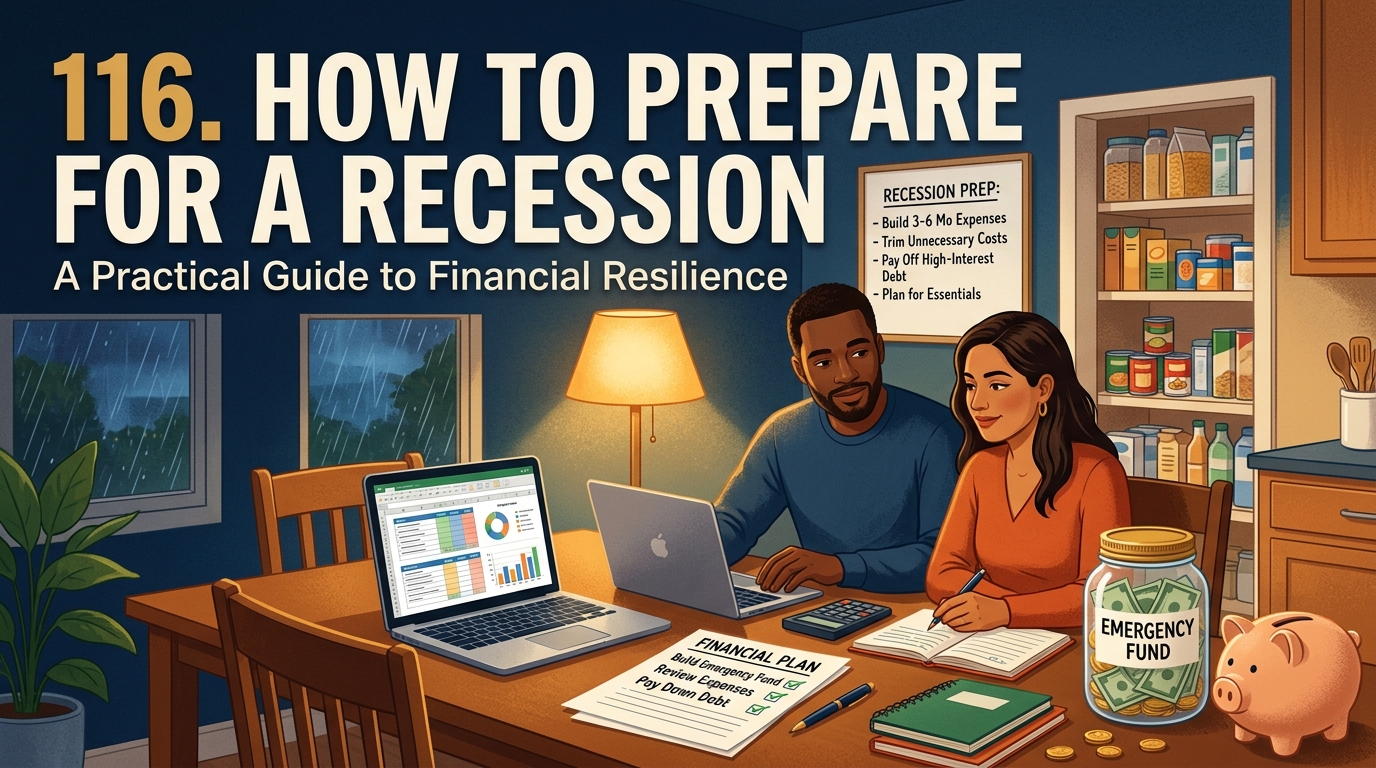
Feeling the financial winds shifting? It’s time to batten down the hatches and prepare for a possible storm ahead. No crystal ball needed, just a solid game plan to weather the economic ups and downs. A recession may be looming, but with the right preparation, you can navigate through the rough waters like a seasoned captain. So grab your compass and let’s set sail on a journey to financial stability.
Build an Emergency Fund
Building an emergency fund is a crucial step in ensuring financial stability. An emergency fund serves as a safety net, providing a financial cushion to cover unexpected expenses such as medical emergencies, car repairs, or sudden job loss. Financial experts recommend saving at least three to six months’ worth of living expenses in an easily accessible account.
Why is an emergency fund important? Having an emergency fund can prevent you from going into debt in times of crisis, helping you avoid high-interest loans or credit card debt. It provides peace of mind knowing that you have funds set aside for unforeseen circumstances, allowing you to weather financial storms without jeopardizing your long-term financial goals. Start building your emergency fund by setting a specific savings goal each month and automating transfers to ensure consistency in saving.
 How to Prepare for a Recession
Pay Off High-Interest Debt
Understand Your Debt: Before tackling high-interest debt, it’s crucial to have a clear understanding of your financial obligations. Make a list of all debts, noting the outstanding balances, interest rates, and minimum monthly payments. This overview will help you prioritize which debts to pay off first.
Strategize Debt Repayment: High-interest debt can quickly accumulate and become a financial burden. Develop a repayment strategy that focuses on paying off debts with the highest interest rates first, while continuing to make minimum payments on other debts. Consider options like debt snowball or debt avalanche methods to accelerate your debt payoff journey.
Diversify Your Income
Diversifying your income sources is a smart financial strategy that can help you protect yourself against unexpected financial setbacks. By relying on multiple sources of income, you reduce your dependence on any single source, making your overall financial situation more secure.
One way to diversify your income is to explore alternative income streams, such as freelancing, consulting, or creating a side business. These additional sources can provide you with extra cash flow, help you build new skills, and potentially grow into more substantial income streams over time. Diversifying your income not only increases your earning potential but also provides you with a safety net in case one of your income sources dries up unexpectedly.
Cut Unnecessary Expenses
Review Your Expenses: To cut unnecessary expenses, start by reviewing your spending habits. Analyze your bank statements and categorize your expenses to identify areas where you can reduce or eliminate costs. Look for recurring subscriptions, dining out expenses, or impulse purchases that you can do without.
Create a Cost-Cutting Plan: Once you have identified unnecessary expenses, create a cost-cutting plan. Set specific goals for reducing spending in certain categories, such as dining out, entertainment, or shopping. Consider alternatives like cooking at home, using coupons, or finding free entertainment options. Track your progress regularly to stay on target.
Stay Informed and Flexible
Stay Informed: Keeping yourself updated on financial news, market trends, and economic indicators is crucial for making informed decisions about your money. Stay informed about changes in interest rates, inflation rates, and market performance to adjust your financial strategy accordingly.
Be Flexible: Financial planning is not a one-time event; it requires continuous monitoring and adjustments. Be flexible in your approach by adapting to changing circumstances, such as unexpected expenses, shifts in income, or alterations in your financial goals. Being flexible allows you to navigate financial challenges more effectively and stay on track towards your long-term objectives.