
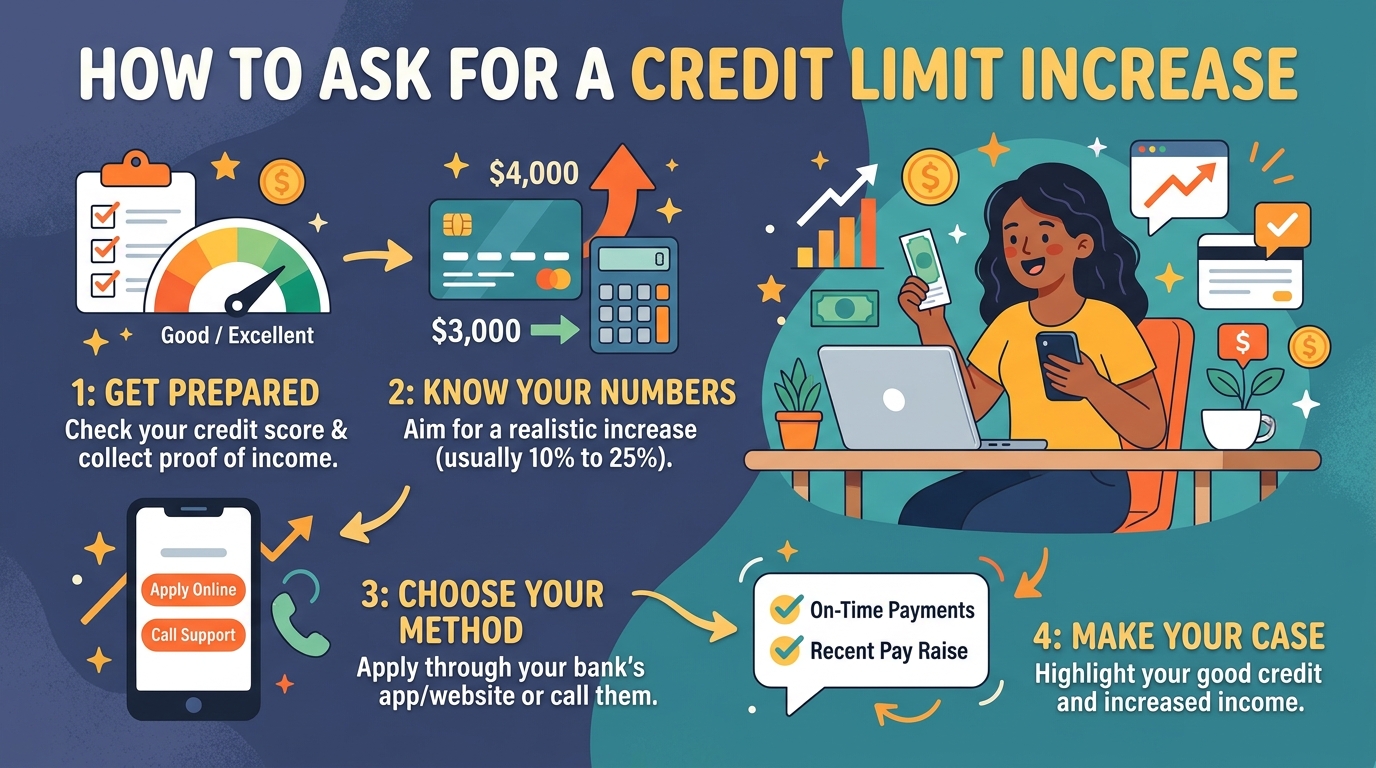
Ready to level up your financial game? If you’ve been a responsible credit card user, it might be time to consider boosting your credit limit. Asking for a credit limit increase can provide more financial flexibility and improve your credit score. However, it’s essential to approach this request strategically to increase your chances of success. In this blog post, we’ll share tips and best practices on how to ask for a credit limit increase successfully. So, get ready to take control of your credit and unlock new possibilities!
Factors to Consider Before Requesting an Increase
Before requesting a credit limit increase, it is essential to consider several factors to ensure that you are making a well-informed decision. One key factor to assess is your current financial situation. Evaluate your income stability, existing debts, and overall credit utilization. It is crucial to have a clear understanding of your ability to manage additional credit responsibly.
Additionally, consider the purpose of the credit limit increase. Are you looking to accommodate larger purchases, improve your credit score, or simply have a higher available credit limit for emergencies? Understanding your motivation for requesting the increase can help you determine if it aligns with your financial goals and needs. Lastly, review your payment history and credit utilization ratio. Lenders often consider these factors when deciding on credit limit increases, so ensuring that your credit profile is in good standing can increase your chances of approval.
 How to Ask for a Credit Limit Increase
How to Prepare for the Request
Organize Your Finances: Before requesting a credit limit increase, it’s essential to have a clear understanding of your current financial situation. Review your income, expenses, and existing credit accounts to ensure you can handle a potential increase responsibly.
Improve Your Credit Score: A higher credit score can increase your chances of approval for a credit limit increase. Make sure to pay your bills on time, keep your credit utilization low, and monitor your credit report for any errors that may be affecting your score.
Steps to Request a Credit Limit Increase
Step 1: Check Eligibility
Before requesting a credit limit increase, ensure that you meet the issuer’s criteria. This may include having a good payment history, a low credit utilization ratio, and a stable income. Review your account standing and credit score to gauge your chances of approval.
Step 2: Contact Your Issuer
Reach out to your credit card issuer through the designated channels, such as customer service hotlines, online chat, or secure messaging on the issuer’s website. Clearly express your intention to increase your credit limit and inquire about the necessary procedures and documentation.
Step 3: Provide Required Information
Be prepared to furnish any requested information or documents to support your credit limit increase request. This may include recent pay stubs, bank statements, or other proof of financial stability. Ensure that all information provided is accurate and up-to-date.
Step 4: Wait for a Decision
After submitting your request and required documentation, wait for the issuer to review your application. The decision process may take a few days to a few weeks. Stay patient and refrain from making repeated inquiries that could potentially delay the process.
What to Do After Receiving a Credit Limit Increase
Monitor Your Spending: After receiving a credit limit increase, it is crucial to monitor your spending habits carefully. With a higher credit limit, there may be a temptation to overspend, potentially leading to debt accumulation. Keep track of your expenses and ensure that you stay within your means to avoid financial strain.
Update Your Budget: With the increased credit limit, consider adjusting your budget to accommodate the higher limit. Review your income and expenses to ensure that you can comfortably manage the additional credit available to you. By updating your budget accordingly, you can make informed decisions about your spending and avoid falling into unnecessary debt.
Tips for Responsible Credit Card Use
Use your credit card wisely: Make sure to only charge what you can afford to pay off each month. Avoid carrying a balance to minimize interest charges. It’s essential to keep track of your spending and stay within your budget to avoid accumulating debt.
Pay your bill on time: Timely payments are crucial to maintain a good credit score and avoid late fees. Set up payment reminders or automatic payments to ensure you never miss a due date. Consider paying more than the minimum to reduce interest costs and pay off your balance faster.
Monitor your credit card statements: Regularly review your statements to check for any unauthorized charges or errors. Report any discrepancies to your credit card issuer immediately. Monitoring your statements can also help you track your spending habits and identify areas where you can cut back.
Avoid cash advances: Cash advances typically come with high fees and interest rates, making them an expensive way to borrow money. It’s best to use your credit card for purchases only and avoid using it to withdraw cash unless absolutely necessary.