
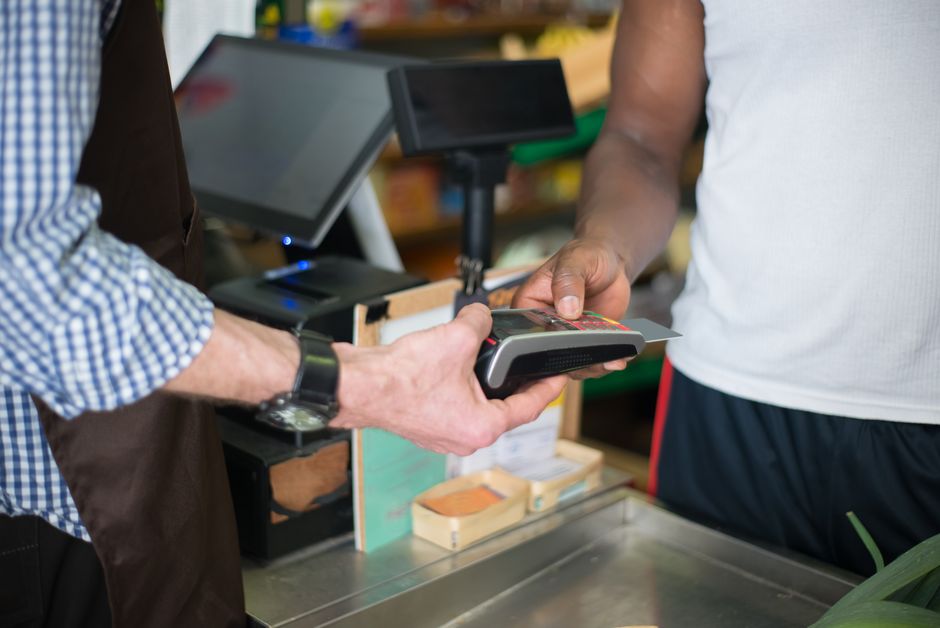
Picture this: you’re standing at the checkout counter, ready to make a purchase, when the cashier asks if you’d like to sign up for a store credit card. Before you say yes or no, let’s dive into the world of store credit cards and explore the pros and cons. On one hand, these cards often come with tempting discounts, rewards, and exclusive offers that can save you money in the long run. However, they also come with potential downsides like high interest rates, limited usability, and the temptation to overspend. So, before you decide to add another card to your wallet, let’s weigh the benefits and drawbacks of store credit cards to make an informed choice that suits your financial goals.
Drawbacks of Store Credit Cards
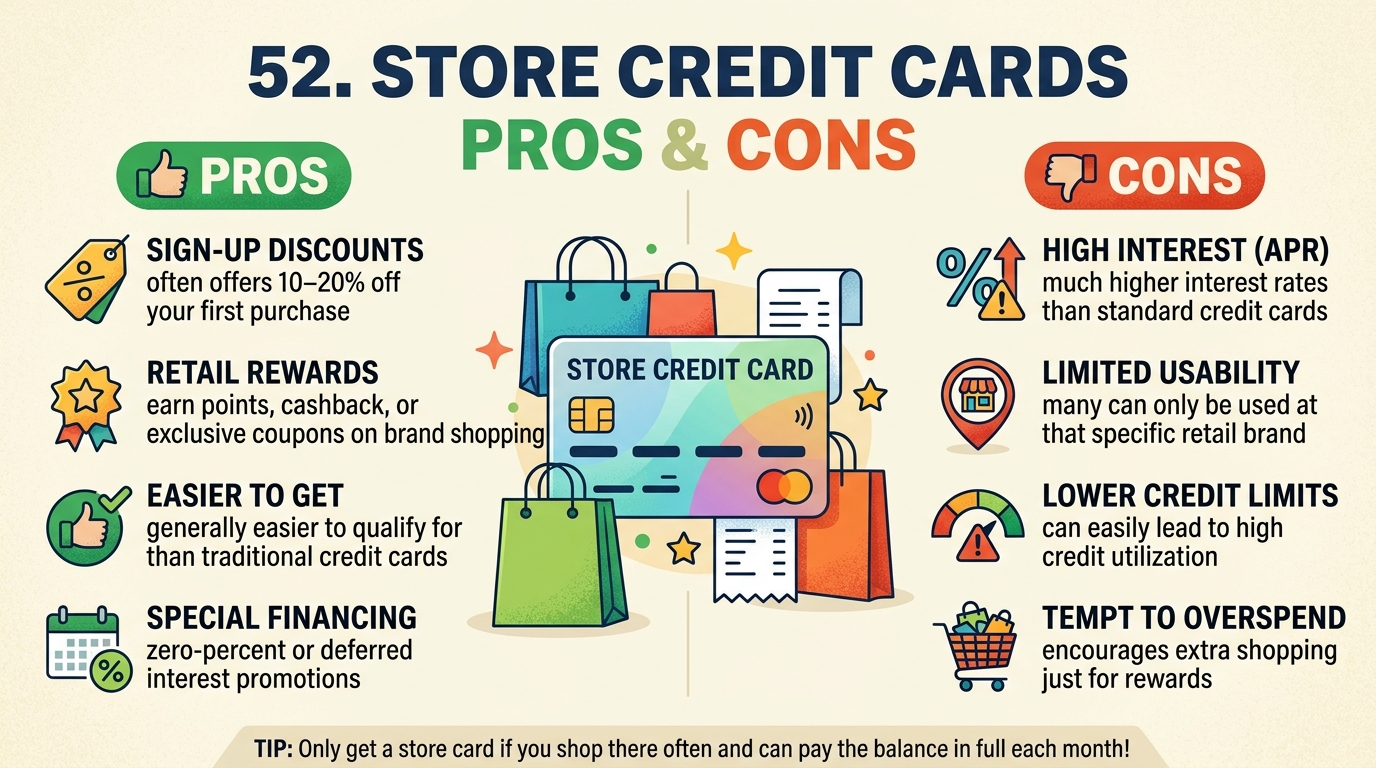
High Interest Rates: One major drawback of store credit cards is the high interest rates they typically carry. These interest rates are often significantly higher than traditional credit cards, making it easy for consumers to accumulate large amounts of interest if they carry a balance.
Limited Usability: Store credit cards are usually only accepted at the specific retailer or group of retailers that issue them. This limited usability can be a drawback compared to general-purpose credit cards that can be used at a wide range of merchants, both in-store and online.
 Store Credit Cards: Pros and Cons
How to Choose the Right Store Credit Card
Consider Your Shopping Habits: Before choosing a store credit card, analyze where you frequently shop. Opt for a card that offers rewards and benefits at your favorite stores to maximize savings. Compare the rewards programs of different cards to find the one that aligns best with your spending habits.
Compare Interest Rates and Fees: When selecting a store credit card, pay close attention to the interest rates and fees associated with the card. Look for cards with low annual percentage rates (APR) and minimal fees to avoid unnecessary costs. Understanding the terms and conditions of the card can help you make an informed decision.
Tips for Managing Store Credit Cards
Track Your Spending: Keeping a close eye on your store credit card expenses is crucial for managing your finances effectively. Create a budget and stick to it to avoid overspending and accumulating unnecessary debt.
Pay Your Bills on Time: Timely payments are essential to maintain a good credit score and avoid costly late fees. Set up reminders or automatic payments to ensure you never miss a payment deadline.
Avoid Carrying Balances: Store credit cards often come with high-interest rates, so it’s best to pay off your balance in full each month. Carrying balances can lead to significant interest charges over time.
Monitor Your Credit Score: Regularly check your credit score to track your financial progress and detect any errors or fraudulent activity. A good credit score opens up opportunities for better financial products in the future.
Alternatives to Store Credit Cards
Personal Loans: Personal loans are a popular alternative to store credit cards for financing larger purchases. These loans typically offer fixed interest rates and repayment terms, making it easier to budget for monthly payments. Personal loans can be obtained from banks, credit unions, or online lenders, providing flexibility in choosing the best option for your financial needs.
Debit Cards: Using a debit card is another alternative to store credit cards as it allows you to make purchases directly from your checking account without accumulating debt. Debit cards are widely accepted by merchants and can help you avoid the temptation of overspending since you can only spend the money you have available in your account. Additionally, some debit cards offer cashback rewards, making them a practical and budget-friendly payment option.
Store credit cards can be a useful tool for consumers who shop frequently at specific retailers. While they offer benefits such as discounts, rewards, and special financing options, it’s essential to be aware of their drawbacks, including high interest rates and potential overspending. When considering a store credit card, consumers should carefully evaluate the terms and conditions to ensure it aligns with their financial goals and spending habits.
Managing store credit cards effectively requires discipline and responsibility. By paying bills on time, monitoring spending, and avoiding unnecessary debt, consumers can maximize the benefits of store credit cards while minimizing the risks. For those who prefer not to use store credit cards, there are alternative payment options available, such as traditional credit cards, debit cards, or cash. Ultimately, the decision to use a store credit card should be based on individual financial needs and preferences.