
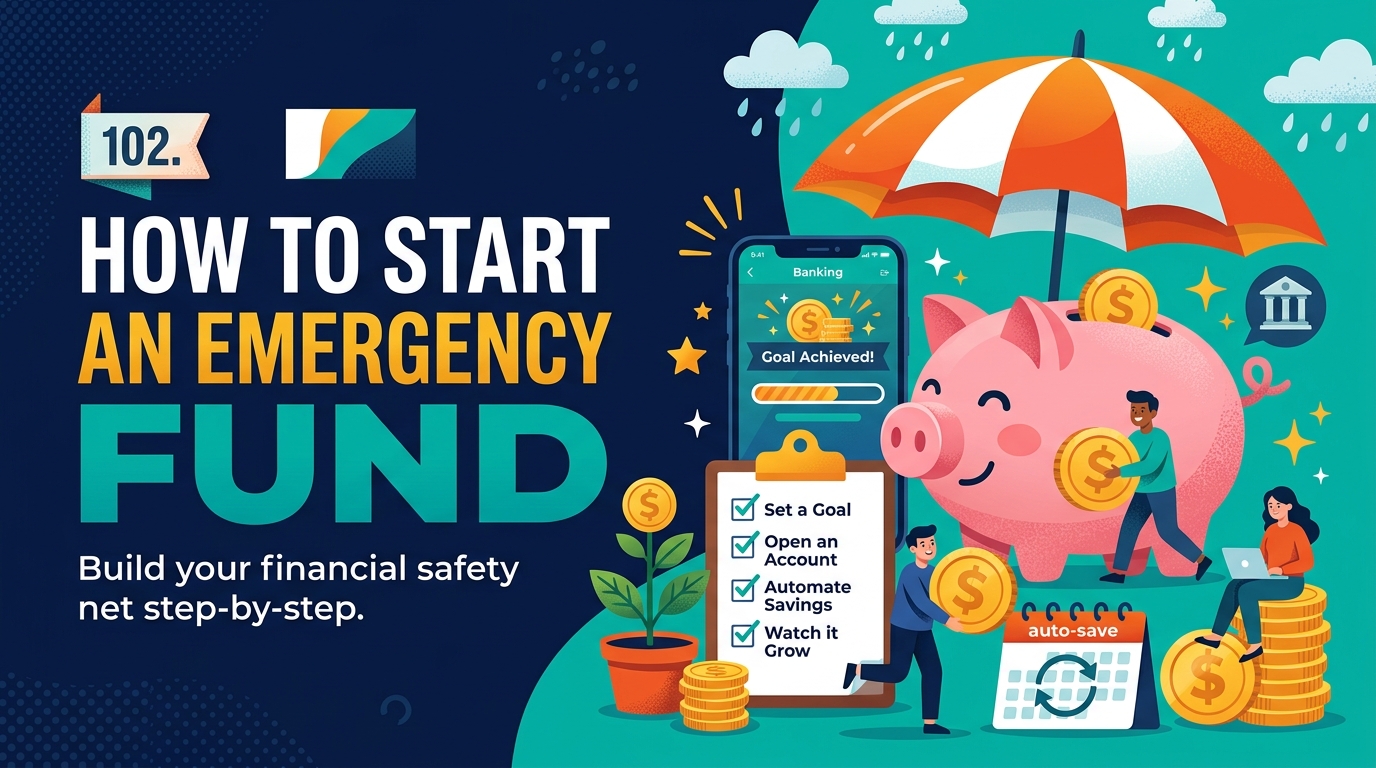
Hey there, savvy savers! Let’s talk about a crucial topic that often gets overlooked in personal finance – emergency funds. Picture this: unexpected car repairs, sudden medical bills, or even a job loss. Life has a way of throwing curveballs when we least expect it. That’s where having an emergency fund comes in handy. An emergency fund is like your financial safety net, providing you with peace of mind and stability in times of uncertainty. In this blog post, we’ll explore why having an emergency fund is essential, how to get started, and tips for building and maintaining your fund. So, grab a cup of coffee, settle in, and let’s dive into the world of emergency funds!
Strategies for Saving Money
Implementing effective strategies for saving money is crucial for building a robust emergency fund. One strategy is to create a budget that outlines your monthly income and expenses. By tracking your spending, you can identify areas where you can cut back and redirect those funds towards your emergency fund. Another useful strategy is automating your savings. Set up automatic transfers from your checking account to your emergency fund to ensure consistent contributions without the temptation to spend the money elsewhere.
Exploring Cost-Cutting Measures
Looking for ways to reduce your expenses can significantly boost your savings potential. Consider negotiating lower bills for services like cable, internet, or insurance. Opt for generic brands when shopping for groceries or household items to save money without compromising quality. Additionally, explore opportunities to reduce discretionary spending, such as dining out or entertainment expenses. By being mindful of your spending habits and making conscious choices to cut costs, you can accelerate the growth of your emergency fund.
 How to Start an Emergency Fund
Building Your Emergency Fund Step by Step
Establishing a solid emergency fund is a crucial aspect of financial stability. To begin, determine your target savings goal based on your monthly expenses. Start by setting aside a small amount each month until you reach your desired fund size. Consider automating your savings by setting up automatic transfers from your checking account to your emergency fund account to ensure consistent contributions.
Next, prioritize your spending and cut back on non-essential expenses to accelerate your savings. Create a budget that outlines your income and expenses, identifying areas where you can reduce costs. Additionally, consider increasing your income through side gigs or part-time work to boost your savings rate. Reassess and adjust your budget regularly to stay on track towards building a robust emergency fund.
Dealing with Unexpected Expenses
Unexpected expenses can derail your financial stability if you’re not prepared. It’s crucial to have a well-funded emergency fund to cover unforeseen costs such as medical emergencies, car repairs, or home maintenance issues. When faced with unexpected expenses, avoid using high-interest credit cards or taking out loans, as this can lead to long-term financial strain.
Creating a budget and tracking your expenses can help you anticipate and plan for unexpected costs. Additionally, consider prioritizing your expenses and cutting back on non-essential purchases to free up more funds for your emergency fund. Remember, having a financial cushion for unexpected expenses can provide peace of mind and prevent you from falling into debt during challenging times.
Tips for Maintaining Your Emergency Fund
Regular Contributions: Consistency is key when it comes to maintaining your emergency fund. Make it a habit to set aside a portion of your income each month specifically for this fund. Automating your contributions can help ensure that you do not forget or skip a month, making it easier to stay on track.
Review and Adjust: Periodically review your emergency fund to ensure that it aligns with your current financial situation and needs. As your income and expenses change, you may need to adjust the amount you contribute to your fund. Additionally, consider increasing your fund size if you anticipate any upcoming major expenses or changes in your life.
Investing Your Emergency Fund Wisely
Understanding the importance of investing your emergency fund wisely is crucial for long-term financial stability. While emergency funds are primarily meant for unexpected expenses and emergencies, it’s also essential to make your money work for you. One common strategy is to consider investing a portion of your emergency fund in low-risk options like high-yield savings accounts, certificates of deposit (CDs), or money market accounts. These options offer better returns than traditional savings accounts while maintaining easy access to your funds.
Another approach to consider is investing in a diversified portfolio of low-risk investments, such as bonds or index funds. Diversification helps spread risk and can provide stable returns over time. However, it’s crucial to balance the potential returns with the liquidity needed for emergencies. Keep in mind that the goal of investing your emergency fund is not to maximize returns but to ensure that your money is working efficiently while remaining accessible when needed most.