
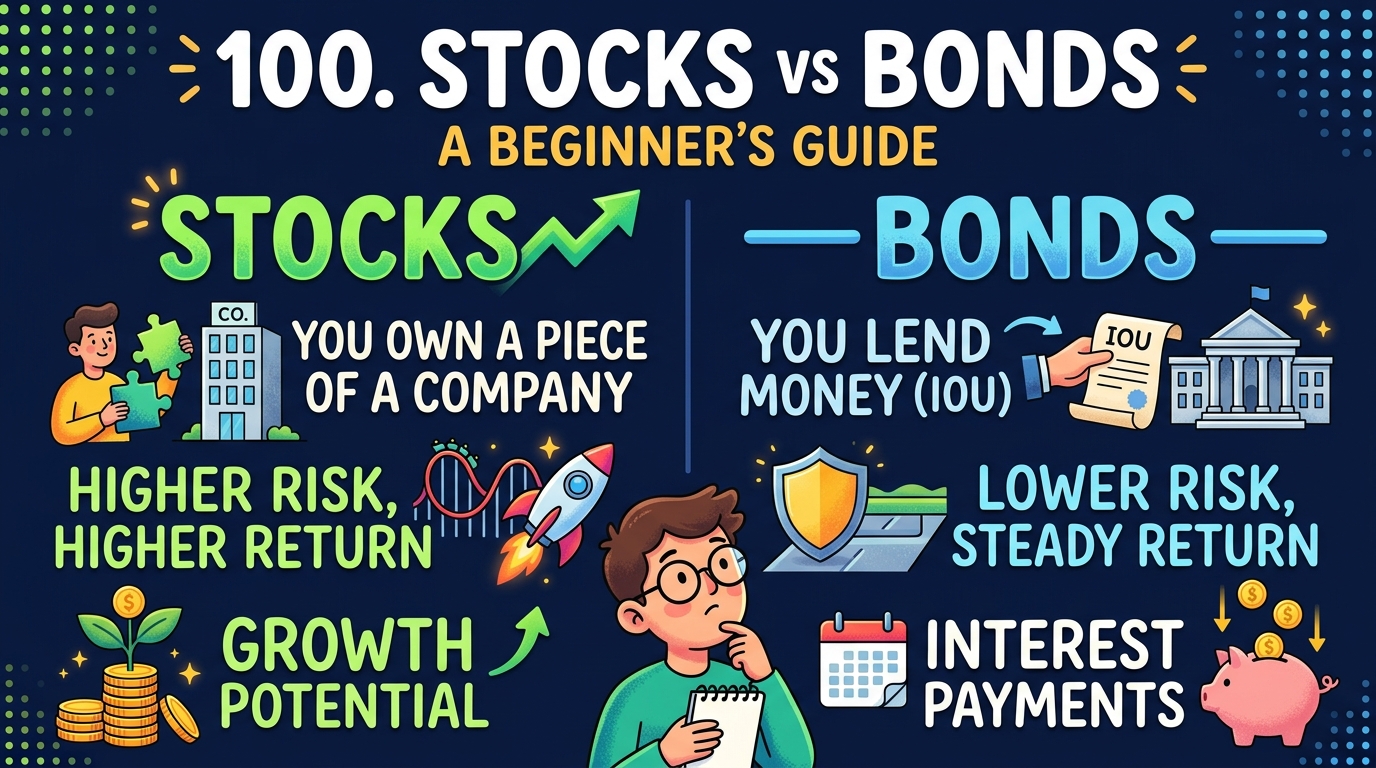
Curious about investing but not sure where to start? Let’s dive into the world of stocks vs. bonds! Whether you’re a financial newbie or simply looking to expand your investment portfolio, understanding the differences between these two key assets is essential. Stocks offer the potential for high returns but come with greater risk, while bonds provide a more stable and predictable income stream. By the end of this beginner’s guide, you’ll be equipped with the knowledge to make informed decisions about where to put your hard-earned money. So, buckle up and get ready to navigate the exciting world of stocks and bonds!
Pros and Cons of Stocks
Pros of Stocks: Investing in stocks offers the potential for significant returns over the long term. Stocks have historically outperformed other asset classes like bonds and cash. By investing in a diversified portfolio of stocks, investors can benefit from the growth of different sectors of the economy. Additionally, stocks provide ownership in companies, allowing investors to participate in the company’s success through capital appreciation and dividends.
Cons of Stocks: Stocks are inherently volatile and subject to market fluctuations. The value of stocks can rise and fall rapidly, leading to potential losses for investors. Individual stock prices can be affected by company-specific factors, market sentiment, and economic conditions. Moreover, investing in stocks requires a high level of research and monitoring to make informed investment decisions. For some investors, the unpredictability of the stock market may cause anxiety and stress, especially during periods of market downturns.
 Stocks vs Bonds: A Beginner’s Guide
Pros and Cons of Bonds
Pros: Bonds are considered a safer investment compared to stocks because they offer a fixed income stream and return of principal at maturity. They are less volatile than stocks, making them a more stable option for conservative investors. Bonds also provide diversification to a portfolio, reducing overall risk. Additionally, certain types of bonds, such as government bonds, are often considered low-risk investments with guaranteed returns.
Cons: One of the main drawbacks of bonds is the lower potential for high returns compared to stocks. Bond prices are sensitive to changes in interest rates, and when interest rates rise, the value of existing bonds decreases. This can lead to capital losses for bondholders who need to sell before maturity. Bonds also carry inflation risk, as the fixed interest payments may not keep pace with inflation over time, resulting in reduced purchasing power.
Factors to Consider When Investing
Risk Tolerance: One crucial factor to consider when investing is your risk tolerance. This refers to your ability and willingness to withstand fluctuations in the value of your investments. Generally, riskier investments have the potential for higher returns but also come with a higher risk of loss. Understanding your risk tolerance can help you choose investments that align with your financial goals and comfort level.
Time Horizon: Your time horizon is another important consideration when investing. This refers to the length of time you plan to hold onto your investments before needing to access the funds. Typically, longer time horizons allow for a more aggressive investment approach, as there is more time to recover from market downturns. Shorter time horizons may necessitate a more conservative investment strategy to protect capital.
Investing is a crucial aspect of financial planning that allows individuals to grow their wealth over time. Through a combination of stocks and bonds, investors can create a diversified portfolio that balances risk and return. It is important to understand the different characteristics of stocks and bonds, as well as their respective pros and cons, in order to make informed investment decisions.
When investing, it is essential to consider your financial goals, risk tolerance, and time horizon. Building a well-rounded investment portfolio that aligns with your objectives can help you achieve long-term financial success. Remember to regularly review and adjust your portfolio to adapt to changing market conditions and personal circumstances.
Further Reading
Books on Investing: For a comprehensive understanding of investing in stocks and bonds, consider reading “The Intelligent Investor” by Benjamin Graham or “A Random Walk Down Wall Street” by Burton Malkiel. These books provide valuable insights into the principles of investing and how to navigate the financial markets effectively.
Online Resources: Websites like Investopedia, Morningstar, and CNBC offer a wealth of information on stocks, bonds, and other investment options. These platforms provide up-to-date market news, analysis, and educational resources to help you make informed investment decisions.