

Hey there, money-savvy readers! Are you ready to dive into the world of personal finance and level up your financial knowledge? Today, we’re going to break down the age-old question: Checking vs Savings Account – What’s the Difference?
Let’s face it, managing money can be a bit overwhelming at times, especially when it comes to choosing between a checking and savings account. These two types of accounts serve different purposes and have distinct features that can impact how you handle your finances. Understanding the differences between them is crucial for making informed decisions about where to park your hard-earned cash. So, buckle up and get ready to explore the world of banking options like a pro!#ERROR!
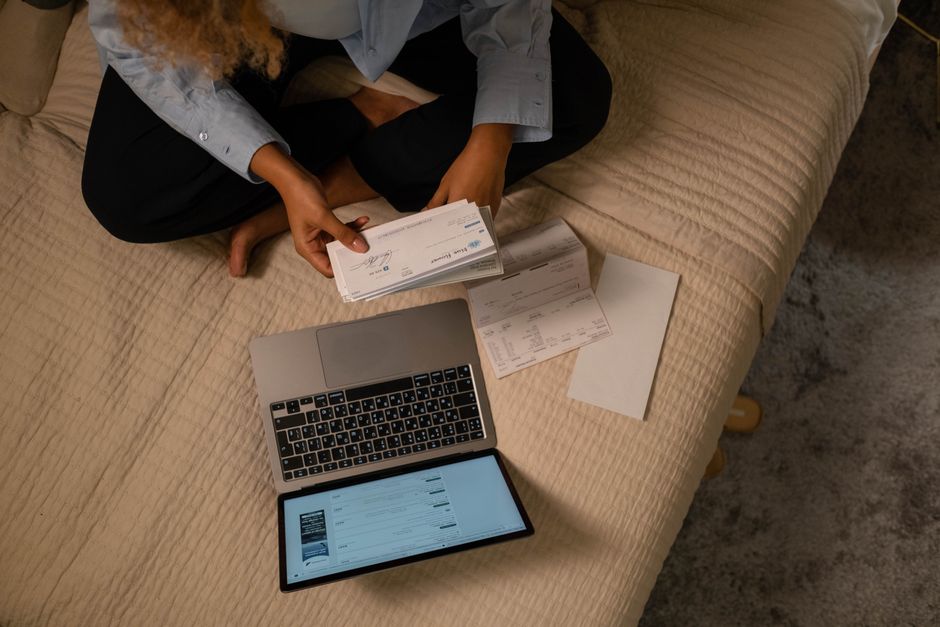 Checking vs Savings Account: What’s the Difference?
Pros and Cons of Checking Accounts
Advantages: Checking accounts offer easy access to funds through various means such as checks, debit cards, and online transfers. They provide a convenient way to pay bills, make purchases, and manage day-to-day expenses. Many checking accounts also come with features like direct deposit, overdraft protection, and mobile banking, making them a versatile financial tool.
Disadvantages: One of the main drawbacks of checking accounts is the potential for fees, including monthly maintenance fees, overdraft fees, and ATM fees. Additionally, checking accounts typically offer lower interest rates compared to savings accounts, meaning that the funds in a checking account may not grow as quickly. Another downside is the risk of overspending if account holders do not closely monitor their balance and transactions.
Pros and Cons of Savings Accounts
Benefits of Savings Accounts: Savings accounts offer a safe and secure way to store your money while earning interest. This interest can help your savings grow over time, providing you with additional funds for emergencies or future expenses. Additionally, savings accounts typically have lower fees compared to checking accounts, making them a cost-effective option for long-term savings goals.
Drawbacks of Savings Accounts: One major drawback of savings accounts is that they often have lower interest rates compared to other investment options like stocks or mutual funds. This means that your money may not grow as quickly in a savings account as it would in other investment vehicles. Another downside is that savings accounts may have restrictions on the number of withdrawals you can make each month, which can limit your access to your funds in case of emergencies.
Choosing Between a Checking and Savings Account
Key Differences: When deciding between a checking and savings account, it’s important to understand their primary functions. A checking account is designed for everyday transactions, such as paying bills, making purchases, and withdrawing cash. It typically offers unlimited transactions and easy access to funds through checks, debit cards, and online banking. On the other hand, a savings account is intended for storing money over a longer period, often earning interest on the balance. It is ideal for building an emergency fund, saving for specific goals, or simply keeping funds secure.
Consider Your Needs: To make the right choice, consider your financial goals and spending habits. If you need a convenient account for regular transactions and daily expenses, a checking account is likely the best option. However, if you want to earn interest on your savings and set money aside for future needs or emergencies, a savings account may be more suitable. Some people choose to have both types of accounts to meet different financial needs effectively.
Summary: In conclusion, choosing between a checking and savings account depends on your financial goals and needs. Both types of accounts offer distinct benefits and drawbacks that can impact your financial wellbeing. It is essential to evaluate your spending habits, saving goals, and financial priorities before deciding which account suits you best.
Recommendation: For individuals seeking easy access to their funds for daily transactions and bill payments, a checking account is a convenient choice. On the other hand, those looking to save for future goals and earn interest on their deposits may find a savings account more suitable. Consider maintaining both types of accounts to benefit from the advantages they offer and to meet different financial objectives effectively.