
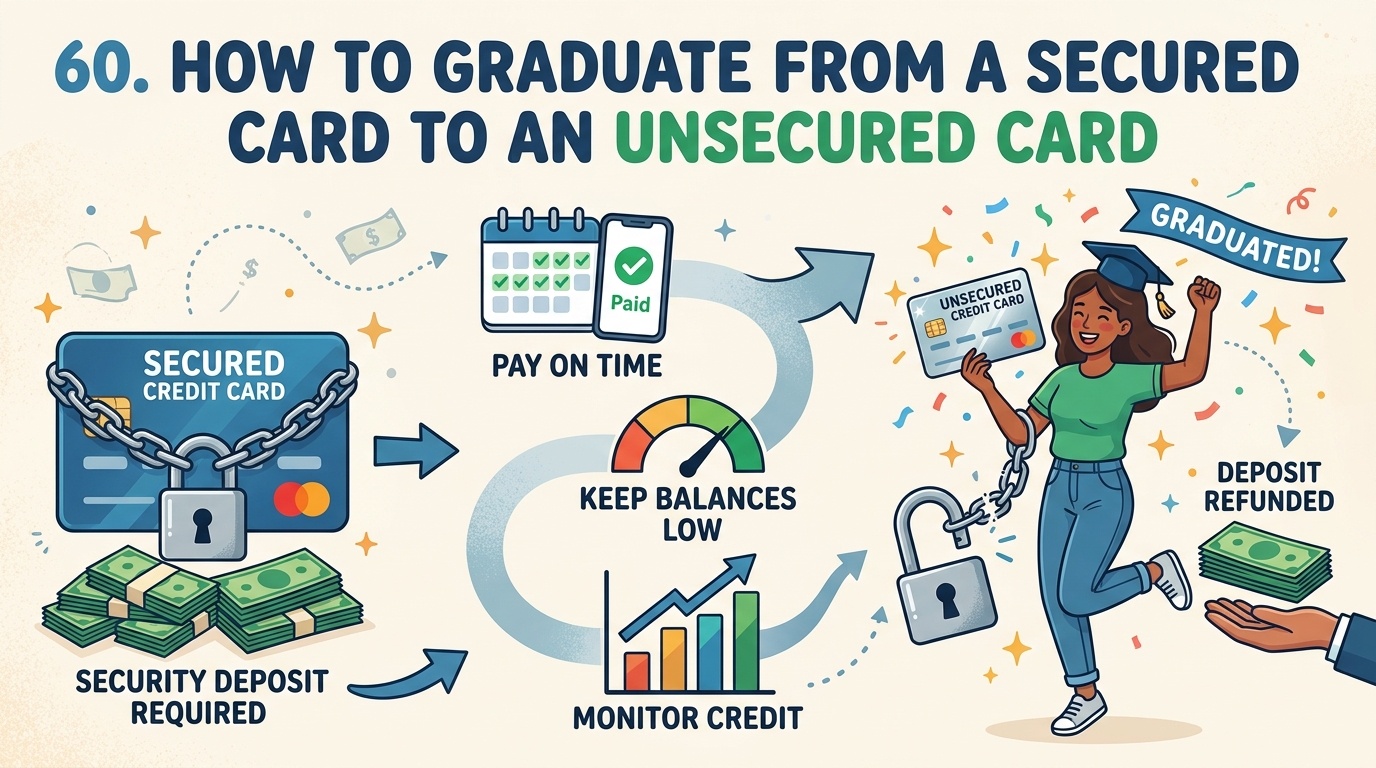
Ready to level up your credit game? If you’ve been diligently building your credit with a secured card, it might be time to take the next step towards financial freedom. Graduating from a secured card to an unsecured card can open up a world of opportunities for better rewards, higher credit limits, and improved credit scores. So, how can you make this transition smoothly and successfully? Let’s dive in to explore the steps you can take to upgrade your credit and unlock the full potential of your financial journey.
Benefits of Using a Secured Card
Improved Credit Score: One of the key benefits of using a secured card is the opportunity to build or rebuild your credit history. Responsible use of a secured card, such as making on-time payments and keeping balances low, can have a positive impact on your credit score over time. This can be particularly beneficial for individuals with limited or poor credit history.
Security Deposit: Another advantage of using a secured card is the security deposit requirement. By providing a security deposit, typically equal to the credit limit, card issuers mitigate their risk and offer you a chance to demonstrate responsible credit behavior. In the event of missed payments or default, the issuer can use the security deposit to cover the outstanding balance, reducing their financial risk.
 How to Graduate From a Secured Card to an Unsecured Card
How to Build Credit with a Secured Card
Understanding Credit Building: Building credit with a secured card involves establishing a positive credit history by responsibly using the card. Secured cards require a cash deposit that serves as collateral, reducing the risk for the issuer. By making timely payments and keeping credit utilization low, you can demonstrate creditworthiness and improve your credit score over time.
Managing Credit Responsibly: To effectively build credit with a secured card, it’s essential to pay your bill on time every month and in full whenever possible. Keeping your credit utilization ratio below 30% is also crucial for demonstrating responsible credit management. Regularly monitoring your credit report for errors and taking steps to correct them can further improve your credit health. Patience and consistency are key when building credit with a secured card, as positive habits over time will lead to a stronger credit profile.
Qualifying for an Unsecured Card
Understanding the Requirements: Qualifying for an unsecured credit card typically involves meeting certain criteria set by the card issuer. These requirements may include a good credit score, a history of responsible credit use, and a stable income. Card issuers use these factors to assess the risk of extending credit to an individual without requiring a security deposit.
Improving Your Credit Profile: To increase your chances of qualifying for an unsecured card, focus on improving your credit profile. This can be achieved by making on-time payments, keeping your credit utilization low, and monitoring your credit report for any errors. Building a positive credit history demonstrates to card issuers that you are a low-risk borrower, making you more likely to qualify for an unsecured card in the future.
Steps to Transition to an Unsecured Card
Step 1: Monitor Your Credit Score
Regularly check your credit score to track your progress. Aim to improve your credit score by making timely payments, keeping your credit utilization low, and managing your finances responsibly.
Step 2: Request a Credit Limit Increase
Contact your secured card issuer to inquire about increasing your credit limit. A higher credit limit can demonstrate your ability to manage credit responsibly and may improve your credit score.
Step 3: Apply for an Unsecured Card
Once you have built a positive credit history with your secured card, consider applying for an unsecured credit card. Compare different options and choose a card that aligns with your financial goals and spending habits.
Step 4: Upgrade Your Existing Card
Contact your secured card issuer to explore the possibility of transitioning your existing card to an unsecured card. Some issuers may offer this option based on your payment history and creditworthiness.
Tips for Success
Consistent Payment: One key tip for success when using a secured card is to make consistent payments on time. Timely payments demonstrate responsible credit behavior and can help improve your credit score over time.
Monitor Your Credit: It’s essential to regularly monitor your credit report to track your progress and ensure there are no errors or fraudulent activities. You can use free credit monitoring services or obtain a copy of your credit report from the major credit bureaus.
Keep Credit Utilization Low: Maintaining a low credit utilization ratio, ideally below 30%, can positively impact your credit score. Avoid maxing out your secured card and aim to keep your balances as low as possible.
Avoid Opening Multiple Accounts: While it may be tempting to open multiple credit accounts, especially after building credit with a secured card, it’s important to be cautious. Opening too many accounts in a short period can negatively impact your credit score.