
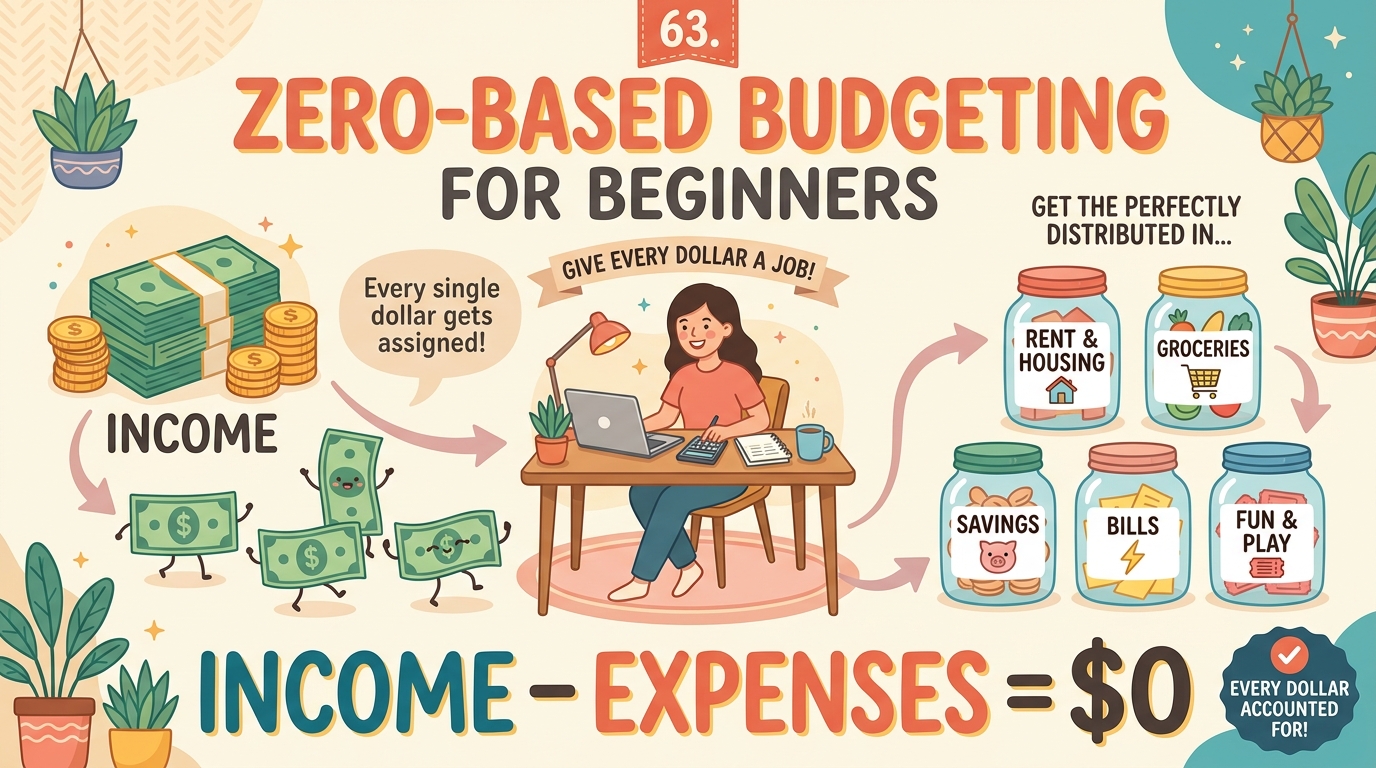
Imagine having complete control over your finances, with every dollar you spend being intentional and purposeful. That’s the power of zero-based budgeting, a game-changing financial strategy that puts you in the driver’s seat of your money management. Zero-based budgeting is not just for financial gurus or spreadsheet wizards – it’s a practical approach that anyone can learn and benefit from. By assigning each dollar a specific purpose, you can track your expenses, prioritize your spending, and ultimately take charge of your financial future. If you’re ready to revolutionize the way you budget and make every dollar count, then zero-based budgeting is the tool you’ve been looking for.
Steps to Implement Zero-Based Budgeting
Step 1: Establish Objectives and Goals
In the first step of implementing zero-based budgeting, it is crucial to clearly define the objectives and goals that the budget will support. These objectives should align with the overall strategic goals of the organization and provide a clear direction for the budgeting process.
Step 2: Identify and Prioritize Activities
Next, identify all activities and programs within the organization and prioritize them based on their importance and contribution to the overall goals. This step involves a detailed analysis of each activity to determine its necessity and relevance to the budget.
Step 3: Allocate Resources Based on Priorities
Once the activities have been prioritized, allocate resources based on these priorities. This involves assigning funds and resources to each activity in a way that maximizes the overall impact and effectiveness of the budget.
Step 4: Monitor and Review Budget Execution
Regularly monitor and review the execution of the budget to ensure that resources are being used efficiently and effectively. This step involves tracking spending, analyzing variances, and making adjustments as needed to stay on track with the budgeting goals.
 Zero-Based Budgeting for Beginners
Common Mistakes to Avoid in Zero-Based Budgeting
1. Underestimating Costs: One common mistake in zero-based budgeting is underestimating costs. When creating a budget from scratch, it’s essential to thoroughly research and analyze all expenses to ensure they are accurately accounted for. Failing to do so can lead to budget shortfalls and financial challenges.
Neglecting Regular Reviews: Another mistake to avoid is neglecting regular reviews of the budget. Zero-based budgeting requires continuous monitoring and adjustments to ensure it remains relevant and effective. Without regular reviews, unexpected expenses or changes in priorities may not be properly addressed, leading to budget inefficiencies.
Case Studies: Successful Zero-Based Budgeting Examples
Company A: Company A implemented zero-based budgeting to streamline its expenses and improve financial accountability. By starting from a zero base each budgeting cycle, they were able to identify unnecessary costs and reallocate resources to more productive areas. This approach led to a significant reduction in overall expenses and a boost in profitability.
Company B: Company B, a retail business, adopted zero-based budgeting to better manage its inventory and pricing strategies. Through a detailed analysis of costs and revenues, they were able to optimize their inventory levels, reduce wastage, and enhance their competitive position in the market. As a result, Company B experienced improved cash flow and higher customer satisfaction.
Tools and Software for Zero-Based Budgeting
Zero-based budgeting (ZBB) requires careful planning and tracking of expenses to ensure success. Fortunately, there are various tools and software available to streamline the ZBB process. One popular tool is Adaptive Insights, which offers comprehensive budgeting and forecasting capabilities. It allows users to create detailed budgets from scratch, aligning expenses with strategic goals.
Another useful software for ZBB is Tidemark, which provides real-time visibility into financial data and performance metrics. With Tidemark, organizations can easily analyze spending patterns, identify cost-saving opportunities, and make data-driven decisions. Additionally, Oracle Hyperion Planning is a powerful tool that enables companies to create custom budget models and scenarios, helping them achieve greater financial transparency and accountability.
Conclusion: Is Zero-Based Budgeting Right for You?
Considerations for adopting Zero-Based Budgeting:
Before deciding if Zero-Based Budgeting (ZBB) is right for your organization, evaluate key factors such as your company’s size, industry, financial stability, and organizational culture. ZBB is best suited for companies looking to challenge traditional budgeting methods, drive cost efficiency, and enhance strategic decision-making.
Final thoughts on Zero-Based Budgeting:
While ZBB can bring significant benefits, it requires a cultural shift, rigorous planning, and ongoing commitment to succeed. Companies with fluctuating revenues or complex cost structures may find ZBB challenging to implement. However, for organizations seeking to optimize resource allocation, improve transparency, and align spending with strategic priorities, ZBB can be a powerful tool for financial management.