
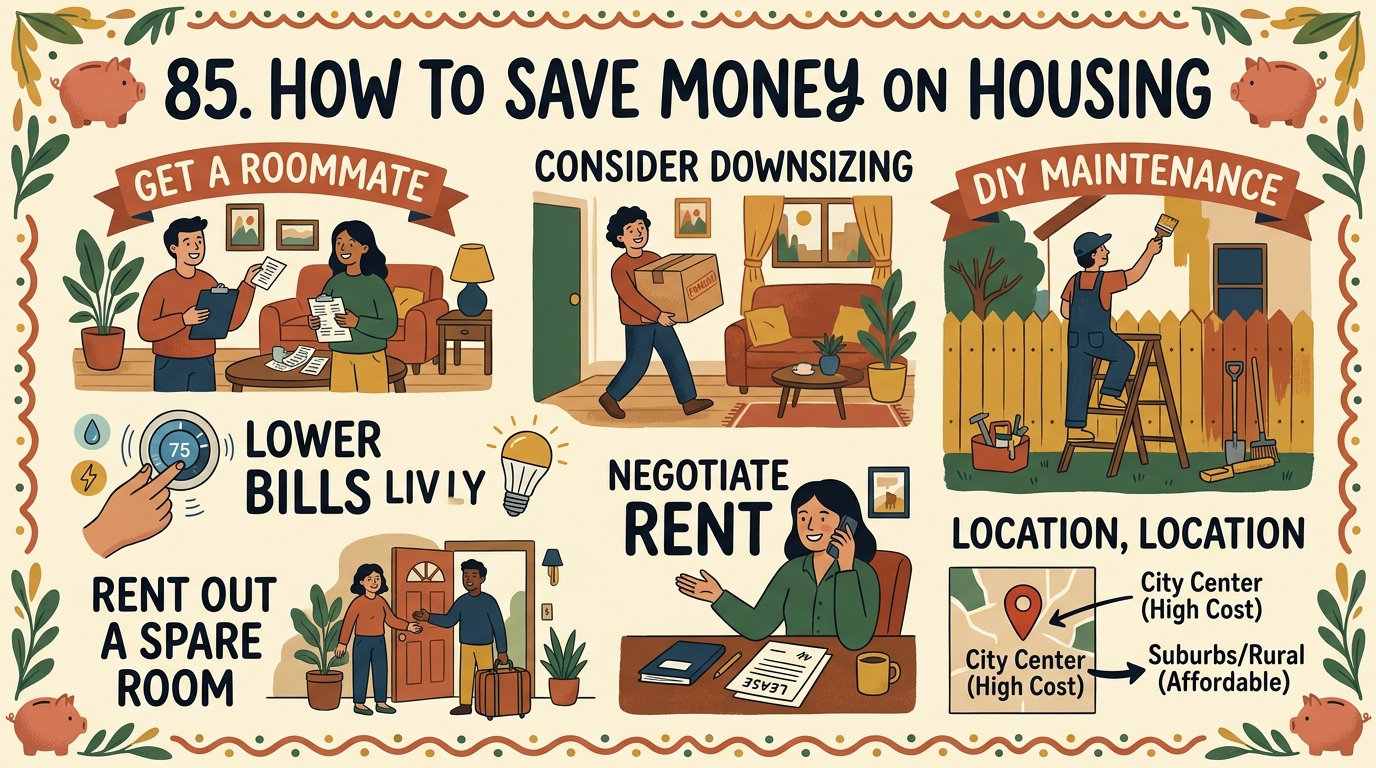
Looking to save big bucks on your housing costs? Look no further! In a world where rent and mortgage payments can eat up a significant chunk of your income, finding ways to cut down on housing expenses is key to achieving financial freedom. Whether you’re a renter, homeowner, or looking to buy your first property, there are numerous strategies you can implement to save money on housing. From negotiating lower rent prices to refinancing your mortgage, exploring alternative housing options, or even taking on a roommate, there are plenty of creative and effective ways to reduce your housing expenses and put more money back in your pocket. So, let’s dive in and discover how you can start saving on housing today!
Creative Ways to Lower Your Mortgage Payment
Refinance Your Mortgage: One effective way to lower your mortgage payment is by refinancing your current mortgage to secure a lower interest rate. By refinancing, you can potentially reduce your monthly payments and save money over the life of the loan. However, it’s essential to consider closing costs and fees associated with refinancing to ensure that the cost savings justify the process.
Make Extra Payments: Another strategy to lower your mortgage payment is by making extra payments towards your principal balance. By paying more than the required monthly amount, you can reduce the overall interest you pay over time and shorten the term of your loan. Even small additional payments can make a significant impact in the long run, helping you save money and pay off your mortgage faster.
 How to Save Money on Housing
How to Find Affordable Housing in Expensive Cities
Research Local Housing Programs: In expensive cities, there are often housing programs or initiatives aimed at helping individuals find affordable housing options. Research online or visit local government offices to explore available programs, subsidies, or housing vouchers that can make living in an expensive city more affordable.
Consider Roommates or Shared Housing: Sharing a living space with roommates can significantly reduce housing costs in expensive cities. Look for roommate matching services, online platforms, or community bulletin boards to find compatible roommates and shared housing arrangements that fit your budget.
Cost-Saving Home Improvement Ideas
Upgrading your home doesn’t have to break the bank. Here are some cost-effective home improvement ideas to enhance the look and functionality of your space:
1. Paint Refresh: One of the most affordable ways to transform a room is by giving it a fresh coat of paint. Choose light, neutral colors to make the space appear larger and brighter.
DIY Projects: Consider taking on do-it-yourself projects like installing shelving, updating cabinet hardware, or refinishing furniture. These projects can add a personal touch to your home without a hefty price tag.
Energy-Efficient Upgrades: Save money in the long run by investing in energy-efficient appliances, LED lighting, and smart thermostats. These upgrades can help lower your utility bills while being environmentally friendly.
Repurpose and Upcycle
Repurpose Furniture: Give old furniture a new life by repainting, reupholstering, or repurposing it for a different use. This can save you money on buying new pieces while adding unique character to your home.
Upcycle Materials: Get creative by upcycling materials like pallet wood, mason jars, or old crates into functional decor pieces. Upcycling not only saves money but also reduces waste and adds a touch of creativity to your home.
Thrift Store Finds: Explore thrift stores and flea markets for affordable home decor items, furniture, and accessories. With a bit of creativity, you can find unique pieces that add charm to your space without spending a fortune.
Renting Out a Room: Pros and Cons
Renting out a room in your home can be a lucrative way to earn extra income while utilizing your existing space efficiently. One of the main advantages is the additional money you can make each month, which can help offset your mortgage or other expenses. Furthermore, having a tenant can provide added security and company, especially for individuals living alone. It can also be a way to share household responsibilities and chores, making it easier to maintain the property.
On the flip side, there are also potential drawbacks to renting out a room. Privacy can be a significant concern, as you will be sharing common areas with someone else. Additionally, there is always a risk involved when bringing a stranger into your home, so thorough background checks and screening processes are essential. Conflicts may arise over noise, cleanliness, or differing lifestyles, which can lead to tension in the household. It’s crucial to weigh the pros and cons carefully before deciding to rent out a room in your home.
Budget-Friendly Ways to Decorate Your Home
Decorating your home on a budget doesn’t mean sacrificing style or charm. With some creativity and resourcefulness, you can transform your living space into a cozy and inviting oasis without breaking the bank.
One budget-friendly way to decorate your home is by incorporating DIY projects. From creating your own artwork to upcycling furniture, DIY projects can add a personal touch to your space while saving you money. Additionally, shopping at thrift stores, flea markets, and garage sales can help you find unique and affordable decor items that can elevate your home’s aesthetic.