
Have you ever wondered what would happen if you maxed out your credit card? It might seem like a tempting idea to splurge on that expensive purchase or indulge in a shopping spree, but the consequences can be more serious than you think. When you reach the limit on your credit card, it can lead to a domino effect of financial challenges. Not only will you face hefty over-limit fees and high interest charges, but your credit score can also take a hit, making it harder for you to secure loans or credit in the future. Additionally, maxing out your credit card can strain your budget and lead to a cycle of debt that can be difficult to break free from. So, next time you’re tempted to max out your credit card, think twice about the long-term repercussions.
Impact on Credit Score
Credit score is a crucial financial indicator that reflects an individual’s creditworthiness. Maxing out your credit card can have a significant negative impact on your credit score. When you reach your credit limit, it increases your credit utilization ratio, which is the amount of credit you’re using compared to the total credit available to you. High credit utilization can lower your credit score because it may indicate to lenders that you are relying too much on credit and may have difficulty repaying debts.
Factors affecting credit score
Several factors determine your credit score, including payment history, credit utilization, length of credit history, types of credit used, and new credit accounts. Maxing out your credit card primarily affects your credit utilization, which accounts for about 30% of your credit score. A high credit utilization ratio can signal financial distress and may lead to a lower credit score, making it harder for you to access credit at favorable terms in the future.
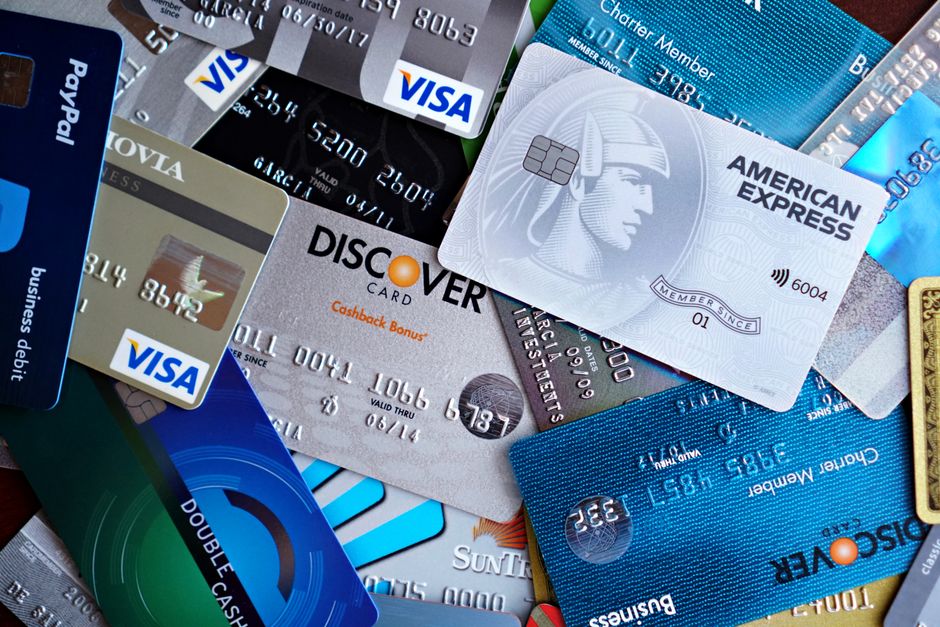 What Happens If You Max Out Your Credit Card?
Accumulation of Interest and Fees
Interest: When you max out your credit card, you may end up accumulating a significant amount of interest on the outstanding balance. Credit card companies typically charge high-interest rates on unpaid balances, which can quickly add up and make it even more challenging to pay off your debt.
Fees: In addition to interest charges, maxing out your credit card can also lead to various fees. These fees may include over-limit fees, late payment fees, and annual fees. Over time, these fees can further increase the total amount you owe, making it harder to get out of debt.
Difficulty in Making Minimum Payments
Financial Strain: When a credit card is maxed out, making minimum payments becomes increasingly challenging. The minimum payment requirement may already be a stretch for cardholders, and with the added burden of a maxed-out balance, meeting this obligation becomes even more difficult. This can lead to a cycle of debt where the cardholder is unable to reduce the balance significantly, resulting in long-term financial strain.
Increasing Interest Costs: Inability to make minimum payments on a maxed-out credit card can also lead to a rapid increase in interest costs. As the balance remains high, interest continues to accrue, adding to the overall debt burden. Missing or making late minimum payments may trigger penalty fees and higher interest rates, exacerbating the financial challenges faced by the cardholder.
Options for Dealing with Maxed Out Credit Cards
1. Negotiate with Creditors: One option for dealing with maxed out credit cards is to negotiate with your creditors. This can involve requesting a lower interest rate, a waiver of fees, or a repayment plan that is more manageable for your financial situation. By communicating openly with your creditors, you may be able to come to an agreement that works for both parties.
Debt Consolidation: Another option is to consider debt consolidation, which involves combining multiple debts into a single loan with a lower interest rate. This can make it easier to manage your payments and potentially reduce the overall amount of interest you pay. However, it’s important to carefully research and compare options before committing to a debt consolidation program.
Seek Credit Counseling: If you’re struggling to manage your maxed out credit cards, seeking credit counseling can be a helpful step. Credit counselors can provide guidance on budgeting, debt management, and negotiating with creditors. They can also help you develop a personalized plan to address your financial challenges and work towards a debt-free future.
Maxing out your credit card can have serious consequences on your financial health and well-being. It can lead to a cycle of debt that is challenging to break free from, impacting your credit score and overall financial stability.
It is crucial to be mindful of your spending habits and to use credit cards responsibly to avoid falling into the trap of accumulating high-interest debt. If you find yourself in a situation where your credit card is maxed out, it is important to take proactive steps to address the issue and work towards paying off the balance to regain control of your finances.