
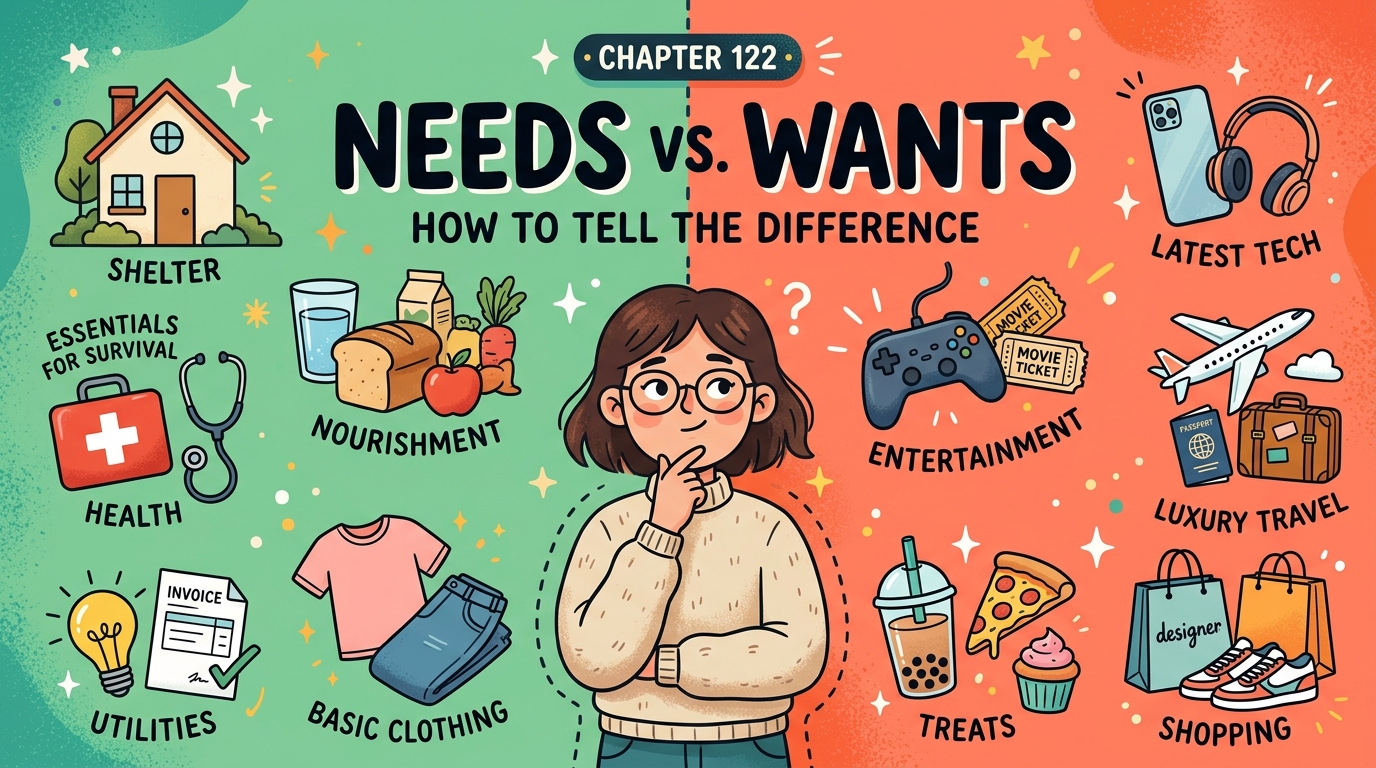
Ever found yourself mindlessly scrolling through online stores, adding items to your cart without a second thought? We’ve all been there. But have you ever stopped to consider whether what you’re buying is a need or just a want? Understanding the difference between needs and wants is crucial for managing your finances and living a more intentional life. In this blog post, we’ll explore how to distinguish between the two and provide practical tips to help you make more mindful decisions when it comes to spending your hard-earned money. So, let’s dive in and uncover the secrets to mastering the art of distinguishing needs from wants!
Understanding Wants
Understanding wants is essential in any business strategy as it involves identifying the desires and preferences of customers. While needs are necessities, wants are more subjective and can vary greatly among different individuals. To effectively cater to customer wants, businesses must conduct thorough market research to gain insights into consumer behavior and preferences.
By understanding wants, businesses can tailor their products or services to better meet customer expectations and create a competitive advantage in the market. This can lead to increased customer satisfaction, loyalty, and ultimately, higher sales and profitability. It is crucial for businesses to continuously analyze and adapt to changing customer wants to stay relevant and successful in today’s dynamic marketplace.
 Needs vs Wants: How to Tell the Difference
Importance of Differentiating
Differentiating your product or service from competitors is crucial in today’s competitive market. By highlighting the unique features and benefits of your offering, you can attract and retain customers more effectively. When customers perceive a clear difference between your product and others, they are more likely to choose your brand over alternatives.
Moreover, differentiation can help you command a premium price for your offering. Customers are often willing to pay more for products or services that they perceive as unique or superior. By effectively communicating the value proposition of your offering, you can justify a higher price point and increase your profitability. In addition, differentiation can also enhance brand loyalty, as customers develop a strong preference for your unique offering over time.
Strategies for Differentiating
1. Targeted Marketing: One strategy for differentiating a product or service is through targeted marketing. This involves identifying specific customer segments and tailoring marketing messages and campaigns to meet their unique needs and preferences. By understanding the demographics, behaviors, and preferences of different customer groups, businesses can create targeted marketing strategies that resonate with each segment.
Product Customization: Offering product customization is another effective differentiation strategy. This involves giving customers the ability to personalize products according to their specific requirements or preferences. By allowing customers to choose from a range of options, such as colors, features, or sizes, businesses can create a unique product that meets individual needs. Product customization can help businesses stand out in a crowded market and attract customers seeking personalized solutions.
Real-Life Examples
Example 1: Apple Inc.
Apple Inc. is a prime example of a company that excels in differentiating its products. Their focus on sleek design, user-friendly interfaces, and seamless integration across devices sets them apart from competitors. The launch of the iPhone revolutionized the smartphone industry, showcasing Apple’s ability to innovate and create products that resonate with consumers on a deep level.
Example 2: Coca-Cola vs. Pepsi
The rivalry between Coca-Cola and Pepsi is a classic case of product differentiation in action. While both companies offer similar beverages, they have distinct brand identities and marketing strategies. Coca-Cola is known for its timeless appeal and emotional connection with consumers, while Pepsi is associated with a younger, more energetic image. This differentiation has allowed both companies to coexist in the market and cater to different consumer preferences.
Summary: In conclusion, understanding the distinction between needs and wants is crucial for making informed decisions in personal and professional settings. By recognizing the fundamental differences between these two concepts, individuals and businesses can prioritize effectively and allocate resources efficiently.
Key Takeaways: Differentiating needs from wants helps in setting clear goals and objectives, managing expectations, and avoiding unnecessary expenses. It also promotes better decision-making by focusing on fulfilling essential requirements before addressing desires. By applying strategies for differentiation and learning from real-life examples, one can enhance their decision-making skills and achieve greater success in various aspects of life.