
Are you tired of watching your hard-earned money disappear each month? It’s time to take control of your finances and cut down on your monthly expenses. With these 30 easy and practical tips, you’ll be able to save more money and reach your financial goals faster. From simple adjustments in your daily habits to more strategic decisions about your spending, there are plenty of ways to trim the fat from your budget. Get ready to see your bank account grow and your stress levels decrease as you implement these money-saving strategies.
Energy Efficiency
Reducing energy consumption is not only beneficial for the environment but also for your wallet. Simple changes like switching to LED light bulbs, insulating your home, and using programmable thermostats can significantly lower your energy bills. LED bulbs use less energy and last longer than traditional incandescent bulbs, making them a cost-effective choice for lighting your home. Proper insulation helps keep your home cool in the summer and warm in the winter, reducing the need for heating and cooling systems to work overtime. Programmable thermostats allow you to set different temperatures for various times of the day, ensuring that you are not wasting energy when you are not at home or asleep.
Another way to improve energy efficiency is by upgrading to energy-efficient appliances. Look for appliances with the ENERGY STAR label, which indicates that they meet strict energy efficiency guidelines set by the Environmental Protection Agency. These appliances use less energy to perform the same tasks as their non-certified counterparts, helping you save money on your electricity bill. Additionally, consider installing solar panels to generate renewable energy for your home. While the initial investment may be high, solar panels can significantly reduce your reliance on grid electricity and lower your long-term energy costs.
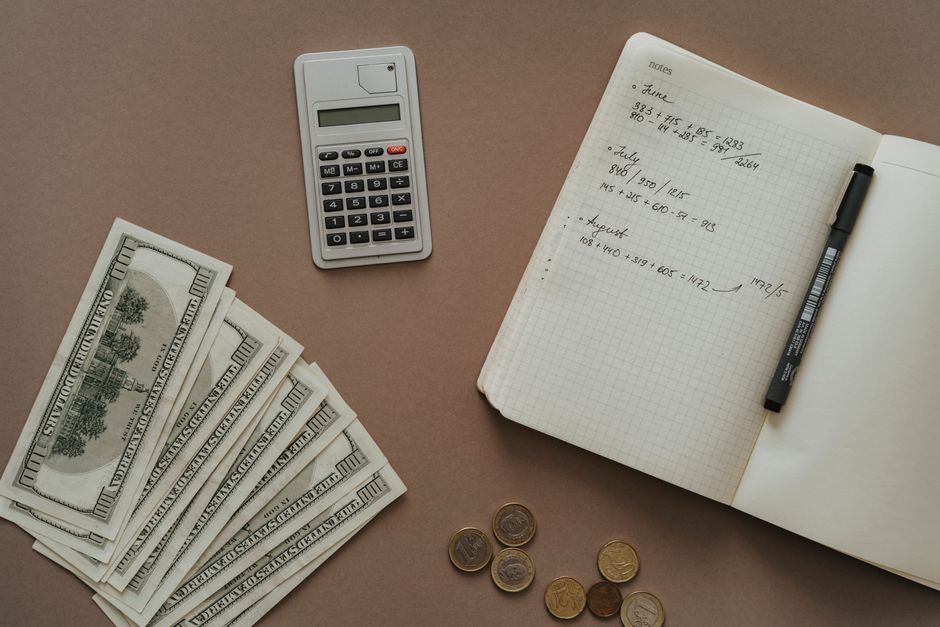 30 Easy Ways to Cut Monthly Expenses
DIY Home Repairs
Cost-Effective Repairs: DIY home repairs can be a cost-effective way to maintain and improve your home. By tackling minor repairs on your own, you can save money on hiring professionals. Simple tasks such as fixing a leaky faucet, replacing a broken tile, or painting a room can be easily accomplished with the right tools and a bit of know-how.
Building Skills and Confidence: Engaging in DIY home repairs not only saves money but also helps you build valuable skills and confidence. As you successfully complete projects around your home, you’ll gain a sense of accomplishment and independence. Learning how to fix things on your own can also empower you to take on more challenging projects in the future, enhancing your problem-solving abilities and overall home maintenance knowledge.
Transportation Savings
Public Transportation: Utilizing public transportation is a cost-effective way to save money on commuting expenses. By taking buses, trains, or subways, individuals can significantly reduce fuel and maintenance costs associated with owning a personal vehicle. Public transportation also helps reduce traffic congestion and carbon emissions, contributing to a cleaner environment.
Carpooling: Carpooling with friends, colleagues, or neighbors is another excellent way to cut down on transportation expenses. By sharing rides, individuals can split the cost of fuel and parking, making the daily commute more affordable. Carpooling also helps reduce the number of vehicles on the road, easing traffic congestion and lowering overall transportation-related emissions.
Subscription Services
Subscription services have become increasingly popular in recent years, offering convenience and access to a variety of products and services on a recurring basis. From streaming platforms to meal kits to beauty boxes, these services cater to different needs and preferences of consumers.
While subscription services can simplify our lives by delivering products and entertainment directly to our doorstep, it’s essential to carefully evaluate the value they provide. Consider whether you are utilizing the subscription to its full potential and if it aligns with your budget and priorities. Additionally, regularly review your subscriptions to ensure you are not paying for services you no longer need or use, helping you save money in the long run.
Key Takeaways: In conclusion, adopting sustainable practices in our daily lives is not only beneficial for the environment but also for our wallets. By making small changes like meal planning, improving energy efficiency, tackling DIY home repairs, opting for transportation savings, and reevaluating subscription services, we can reduce our ecological footprint and save money in the long run.
Final Thoughts: It is evident that conscious consumer choices and lifestyle adjustments can lead to significant cost savings and a more sustainable future. As individuals, we have the power to make a positive impact on the planet by implementing these simple yet effective strategies. Let us commit to making these changes and inspire others to join us in creating a greener and more economically sound world for generations to come.