

Have you ever found yourself at the checkout counter, fumbling through a stack of credit cards, unsure which one to use? The age-old question of how many credit cards one should have is a topic that sparks much debate. Some people swear by having multiple cards for various benefits and rewards, while others preach the simplicity of just one trusty card. So, how many credit cards should you have? The answer isn’t one-size-fits-all, as it largely depends on your financial habits, goals, and preferences. Let’s dive into the factors to consider when deciding on the right number of credit cards for you.
Risks of Having Multiple Credit Cards
Higher Debt Accumulation: One of the main risks associated with having multiple credit cards is the potential for higher debt accumulation. With multiple cards available, it can be tempting to overspend and carry balances on each card, leading to increased debt levels. This can result in financial stress and difficulties in managing repayments, ultimately impacting your credit score negatively.
Increased Risk of Identity Theft: Another risk of having multiple credit cards is the increased exposure to identity theft. With more cards in your possession, there is a higher likelihood of one or more cards being lost or stolen. This can lead to unauthorized transactions and fraudulent activities, putting your financial security at risk. It is essential to monitor all your cards regularly and report any suspicious activities promptly to minimize the impact of identity theft.
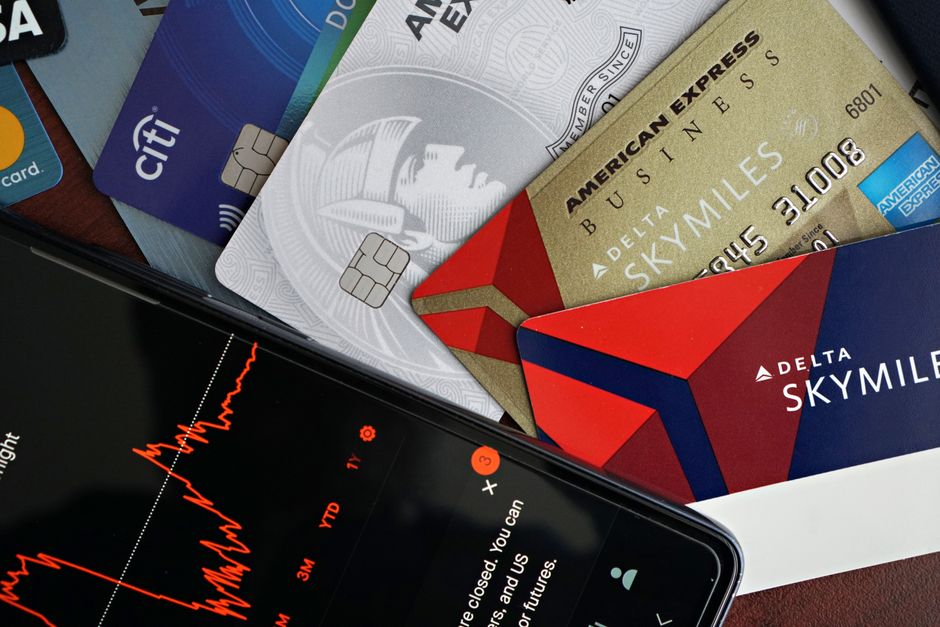 How Many Credit Cards Should You Have?
Factors to Consider When Choosing Credit Cards
Interest Rates: One of the most important factors to consider when choosing a credit card is the interest rate. Look for a card with a low interest rate to save money on potential finance charges. Pay attention to introductory rates as well, as they may change after a certain period.
Rewards and Benefits: Consider what rewards and benefits the credit card offers. Some cards offer cash back, travel rewards, or points that can be redeemed for merchandise. Choose a card that aligns with your spending habits and preferences to maximize the benefits you receive.
Fees: Be aware of any annual fees, late payment fees, balance transfer fees, or foreign transaction fees associated with the credit card. Factor these fees into your decision-making process to ensure that they do not outweigh the benefits of the card.
How to Manage Multiple Credit Cards Effectively
Organize your cards: It is crucial to keep track of all your credit cards and their respective terms, due dates, and balances. Consider using a spreadsheet or a mobile app to help you stay organized. Create a system that works for you to ensure you never miss a payment or exceed your credit limits.
Set up automatic payments: Take advantage of automatic payment options offered by credit card issuers to ensure you never miss a payment. Set up automatic payments for at least the minimum amount due to avoid late fees. However, remember to monitor your accounts regularly to catch any discrepancies or unauthorized charges.
Tips for Maximizing Credit Card Rewards
Utilize Bonus Categories: Take advantage of credit card rewards by focusing your spending on bonus categories. Many credit cards offer higher rewards for specific types of purchases such as dining, travel, groceries, or gas. By understanding and utilizing these bonus categories, you can maximize the rewards you earn on your everyday spending.
Combine Points and Miles: If you have multiple credit cards that earn different types of rewards, consider combining points and miles for greater flexibility and value. Some credit card issuers allow you to transfer points between different cards or loyalty programs, enabling you to redeem your rewards for a wider range of options, such as travel, merchandise, or cash back.
In conclusion, having multiple credit cards can be a beneficial financial strategy if managed wisely. By leveraging the various benefits and rewards offered by different cards, individuals can optimize their spending and savings. However, it is crucial to be mindful of the risks associated with holding multiple cards, such as overspending, debt accumulation, and potential credit score impacts.
Ultimately, the key to successfully managing multiple credit cards lies in responsible financial habits, regular monitoring of expenses, and staying informed about the terms and conditions of each card. By carefully considering factors such as interest rates, fees, rewards programs, and credit limits when choosing cards, consumers can make informed decisions that align with their financial goals. With proper planning and discipline, multiple credit cards can be valuable tools for building credit, maximizing rewards, and achieving greater financial flexibility.