

Hey there, savvy budgeters! Have you ever felt like your money is slipping through your fingers faster than you can keep track of it? Well, fear not, because today we’re diving into the world of envelope budgeting. This tried-and-true method is a game-changer for those looking to take control of their finances and make every dollar count. So, let’s break it down for you: envelope budgeting is a simple yet powerful strategy where you allocate specific amounts of cash to different categories, such as groceries, entertainment, or savings, and keep each amount in a separate envelope. By physically seeing and feeling the money you have available for each category, you’ll be more mindful of your spending and less likely to overspend. Are you ready to revolutionize the way you budget? Let’s get started!
How to Set Up an Envelope Budget
Creating Your Envelopes: To set up an envelope budget, start by identifying your spending categories, such as groceries, transportation, entertainment, and savings. Allocate a specific amount of money to each category based on your budget. Physical envelopes can be used to represent each category, or you can opt for virtual envelopes through budgeting apps.
Tracking Your Expenses: Once your envelopes are set up, track your expenses diligently. Every time you make a purchase within a specific category, deduct the amount from the corresponding envelope. This will give you a clear picture of where your money is going and help you stay within your budget limits. Regularly review your spending and adjust your allocations as needed to ensure you are meeting your financial goals.
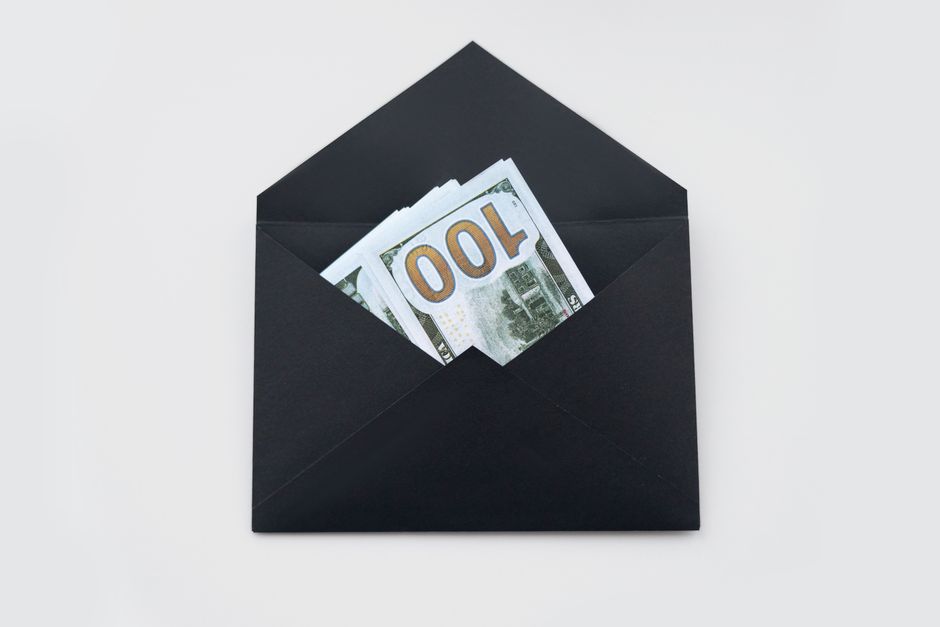 The Envelope Budgeting Method Explained
Pros and Cons of Envelope Budgeting
Pros of Envelope Budgeting: One of the main advantages of envelope budgeting is its simplicity and effectiveness in managing finances. By physically separating cash into envelopes designated for specific categories, individuals can easily track their spending and stay within budget. This method helps promote better financial discipline and reduces the likelihood of overspending. Additionally, envelope budgeting can be a great tool for saving money, as it encourages prioritizing financial goals and allocating funds accordingly.
Cons of Envelope Budgeting: While envelope budgeting can be a powerful tool for some, it may not be suitable for everyone. One potential drawback is the inconvenience of carrying cash and managing multiple envelopes, which can be cumbersome and impractical in today’s digital world. Another limitation is the lack of flexibility compared to digital budgeting tools, as adjustments to spending categories may require physically moving cash between envelopes. Additionally, some individuals may find it challenging to adhere strictly to the predetermined budget categories, leading to frustration and potential abandonment of the method.
Tips for Successful Envelope Budgeting
Consistency is Key: One of the most important tips for successful envelope budgeting is to stay consistent with your budgeting habits. Make sure to allocate money to your envelopes regularly and track your expenses diligently. Consistency will help you stay on track and reach your financial goals.
Review and Adjust: It’s essential to regularly review your budget and adjust your allocations as needed. Life circumstances and financial priorities may change, so it’s important to be flexible and make adjustments to your envelope budget accordingly. Regularly reviewing and adjusting your budget will help you ensure that it remains effective and aligned with your financial goals.
Real-Life Examples of Envelope Budgeting
Example 1: Family Budgeting
One common real-life example of envelope budgeting is for managing a family budget. Each envelope represents a different expense category, such as groceries, utilities, entertainment, and savings. The family allocates a specific amount of money into each envelope at the beginning of the month based on their budget. As expenses occur, money is taken out of the corresponding envelope. This method helps the family track their spending in each category and ensures they stay within their budget limits.
Example 2: Personal Spending
Another real-life application of envelope budgeting is for personal spending. An individual may have envelopes for categories like dining out, shopping, transportation, and hobbies. By allocating a set amount of money to each envelope, the individual can control their spending in different areas and prioritize their financial goals. This method provides a visual representation of where money is being allocated and encourages mindful spending habits.
Envelope budgeting is a powerful personal finance tool that can help individuals take control of their spending, save money, and achieve their financial goals. By allocating specific amounts of cash to different categories and physically separating the money into envelopes, individuals are able to visually see how much they have left to spend in each category, promoting mindful spending habits.
In conclusion, envelope budgeting promotes financial awareness and discipline, making it easier for individuals to track their expenses, avoid overspending, and prioritize their financial objectives. While it may require some initial effort to set up and maintain, the benefits of envelope budgeting can lead to long-term financial stability and peace of mind. By adopting this method and staying committed to managing finances effectively, individuals can work towards a more secure financial future.