

Have you ever worried about becoming a victim of identity theft? One powerful way to protect yourself is by freezing your credit. In this beginner’s guide, we’ll walk you through the process of freezing your credit, empowering you to take control of your financial security. By understanding how to freeze your credit, you can safeguard your personal information and prevent unauthorized access to your credit report. Stay tuned to learn the ins and outs of this essential tool in the fight against identity theft.
Why Freeze Your Credit?
Prevent Identity Theft: Freezing your credit can help prevent unauthorized individuals from opening new accounts or taking out loans in your name. By restricting access to your credit report, you make it harder for fraudsters to impersonate you and obtain credit fraudulently.
Protect Your Credit Score: A frozen credit report means that creditors cannot access your credit history, which can be beneficial in case of potential data breaches or identity theft incidents. By freezing your credit, you reduce the risk of negative impacts on your credit score due to fraudulent activity.
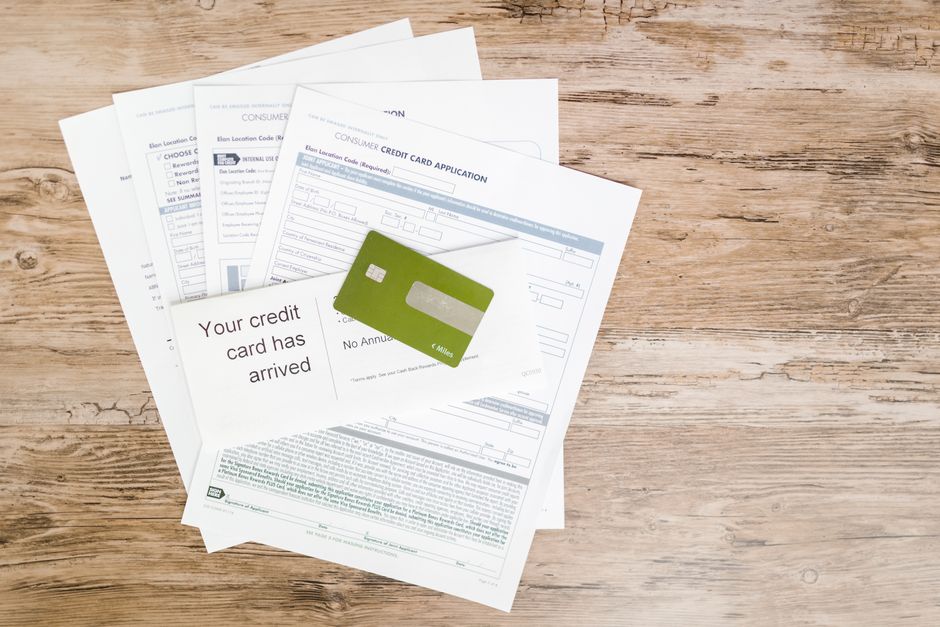 How to Freeze Your Credit: A Beginner’s Guide
How to Freeze Your Credit
Freezing your credit is a proactive step to protect your financial information from unauthorized access. To initiate a credit freeze, you need to contact the three major credit bureaus – Equifax, Experian, and TransUnion. You can request a credit freeze online, by phone, or through mail. Each bureau may have slightly different procedures, so it’s essential to follow their specific guidelines.
When requesting a credit freeze, you will need to provide personal information to verify your identity, such as your full name, Social Security number, date of birth, and address. Once your request is processed, the credit bureaus will restrict access to your credit report, making it difficult for identity thieves to open new accounts in your name. It’s important to keep track of your unique PIN or password provided during the freeze process, as you will need it to lift or remove the freeze in the future.
Pros and Cons of Freezing Your Credit
Pros: Freezing your credit can provide a strong layer of protection against identity theft and unauthorized access to your credit information. By placing a freeze, you can prevent new creditors from accessing your credit report, making it more difficult for identity thieves to open new accounts in your name. This can give you peace of mind knowing that your credit information is secure.
Cons: One potential downside of freezing your credit is the inconvenience it can cause when you need to apply for new credit or services that require a credit check. You will need to temporarily lift the freeze, which may involve some fees and waiting periods. Additionally, freezing your credit does not prevent all types of identity theft, such as fraudulent use of existing accounts or other personal information. It’s important to weigh the benefits of credit protection against the potential drawbacks of restricted access to your own credit information.
How to Unfreeze Your Credit
Unfreezing your credit is a crucial step when you need to apply for credit or loans. To unfreeze your credit, you typically have a few options. You can either temporarily lift the freeze for a specific creditor or for a set period of time. This allows the creditor to access your credit report for the purpose of evaluating your application. Alternatively, you can permanently remove the freeze altogether if you no longer require the protection.
When unfreezing your credit, it’s important to keep in mind the timeframes involved. Depending on the method you choose, the unfreezing process may take anywhere from a few minutes to a few days. Additionally, some credit bureaus may charge a small fee for unfreezing your credit, so be sure to check their policies beforehand. Remember to monitor your credit closely after unfreezing to ensure that everything is in order and no unauthorized activity has occurred.
Additional Tips for Credit Protection
Regularly Monitor Your Credit Report: Stay vigilant by checking your credit report regularly for any suspicious activity or errors. You can obtain a free copy of your credit report from each of the three major credit bureaus once a year.
Set Up Fraud Alerts: Consider placing fraud alerts on your credit reports to add an extra layer of protection. Fraud alerts require creditors to verify your identity before extending credit in your name.
Use Strong, Unique Passwords: Protect your online accounts by using strong passwords that are unique for each account. Consider using a password manager to securely store and manage your passwords.
Avoid Phishing Scams: Be cautious of emails, texts, or calls requesting sensitive information. Do not provide personal or financial information unless you have verified the legitimacy of the request.
Secure Your Personal Information: Safeguard your personal information by storing important documents in a secure place, shredding sensitive documents before disposal, and being cautious when sharing personal details online or in person.