
Picture this: you’re cruising through life, enjoying the smooth sailing, when suddenly a financial storm hits. Unexpected expenses loom on the horizon, threatening to capsize your budget. But fear not, fellow sailor! The solution lies in the concept of a sinking fund. A sinking fund is like a lifeboat for your finances, helping you weather the storm of unexpected expenses with ease. In this blog post, we’ll dive into the nitty-gritty of how to create a sinking fund, so you can navigate the choppy waters of financial uncertainty like a seasoned captain. Let’s set sail on this journey to financial stability together!
Steps to Create a Sinking Fund
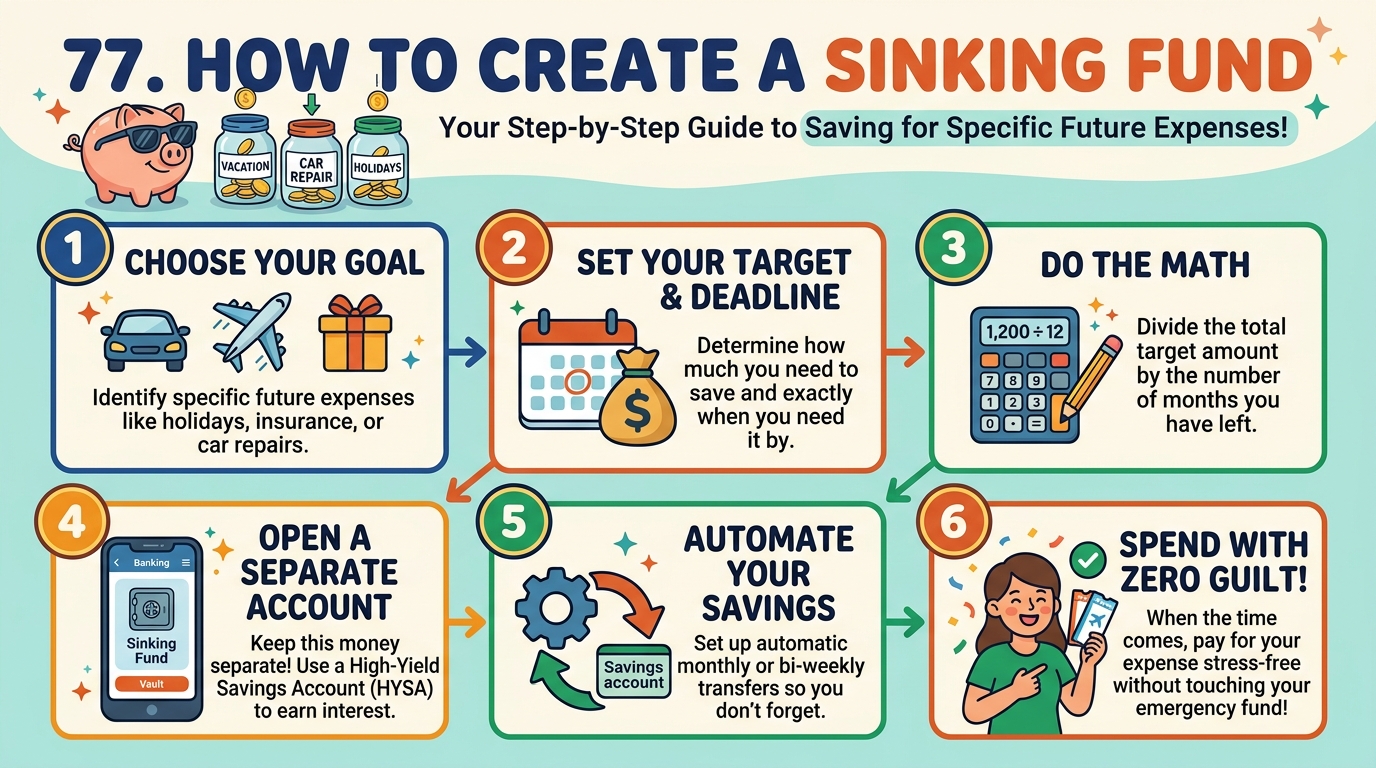
1. Define Your Financial Goal: The first step in creating a sinking fund is to clearly define your financial goal. Determine what you are saving for and how much money you need to achieve that goal. Whether it’s for a major purchase, a vacation, or an emergency fund, having a specific target in mind will help guide your saving strategy.
Set a Realistic Timeline: Once you have defined your financial goal, the next step is to set a realistic timeline for achieving it. Consider factors such as the deadline for your purchase or the frequency of contributions you can make to the sinking fund. By establishing a timeline, you can create a structured savings plan that will help you stay on track towards reaching your goal.
 How to Create a Sinking Fund
Determining the Amount to Save
Estimating the required amount: To determine the amount to save for a sinking fund, start by identifying the future expense you are saving for. Whether it’s a major home repair, a new car, or a vacation, calculate the total cost of the expense and the time frame within which you aim to save for it. Consider factors like inflation and any potential changes in the cost of the expense over time.
Setting savings goals: Break down the total cost into manageable savings goals based on your time frame and financial capacity. Determine how much you need to save each month, quarter, or year to reach your target amount within the desired time frame. Adjust your savings goals as needed to stay on track and ensure you are saving enough to cover the future expense without financial strain.
Choosing Investments for a Sinking Fund
Types of Investments: When selecting investments for a sinking fund, it is crucial to consider the fund’s purpose and timeline. Short-term sinking funds may benefit from low-risk investments like money market accounts or certificates of deposit for capital preservation. For longer-term sinking funds, diversifying with a mix of stocks, bonds, and mutual funds can provide potential growth while accepting higher levels of risk.
Risk Tolerance: Assessing your risk tolerance is essential when choosing investments for a sinking fund. Conservative investors may opt for safer investments with lower returns, while aggressive investors may choose higher-risk options with the potential for greater returns. Balancing risk and return is key to building a sinking fund portfolio that aligns with your financial goals and comfort level.
Managing and Monitoring Your Sinking Fund
Regular Monitoring: Managing a sinking fund involves consistent oversight and evaluation of your fund’s performance. Regularly monitor the contributions, withdrawals, and overall growth of the fund to ensure it stays on track to meet its financial goals. By keeping a close eye on your sinking fund, you can make timely adjustments and optimize its effectiveness.
Rebalancing Investments: As market conditions fluctuate, it’s crucial to periodically review and rebalance the investments in your sinking fund. Diversification is key to managing risk, so consider adjusting your asset allocation to maintain a balanced portfolio. Rebalancing ensures that your sinking fund remains aligned with your risk tolerance and financial objectives.
Common Mistakes to Avoid with Sinking Funds
1. Neglecting Regular Contributions: One common mistake individuals make with sinking funds is neglecting to make regular contributions. Consistent contributions are essential to ensure the fund grows adequately to cover future expenses. By skipping contributions or not setting aside enough money regularly, the fund may not be sufficient when needed, leading to financial strain.
2. Using Sinking Funds for Non-Essential Expenses: Another mistake is using sinking funds for non-essential expenses. Sinking funds should be designated for specific planned expenses, such as car repairs, home maintenance, or vacations. Using the fund for impulse purchases or unnecessary items can deplete its balance, leaving insufficient funds for its intended purpose.
3. Failing to Adjust Savings Goals: It is crucial to periodically review and adjust savings goals for sinking funds. Failing to account for inflation, changes in expenses, or unexpected costs can result in underestimating the required amount. Regularly reassessing and adjusting savings goals ensures that the sinking fund remains on track to meet future financial obligations.