
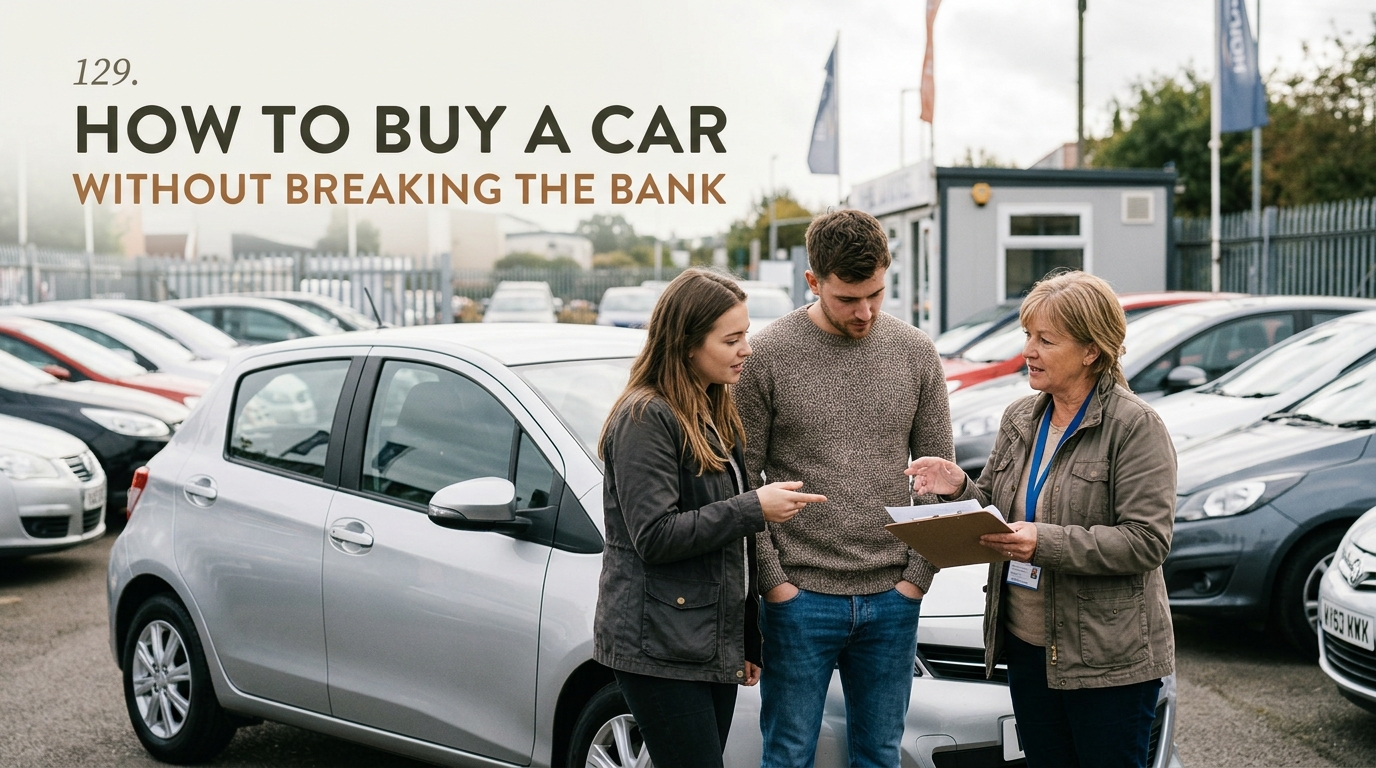
Have you ever dreamt of cruising down the open road in your very own car, feeling the wind in your hair and the freedom of the open road at your fingertips? Buying a car can be an exhilarating experience, but it often comes with a hefty price tag that can leave your bank account feeling a little less than happy. Fear not, my fellow road warriors, for there are ways to make your car-buying dreams a reality without breaking the bank. From savvy negotiation tactics to exploring different financing options, we’ve got you covered. So buckle up, and let’s hit the road to finding the perfect car for you without draining your savings.
Researching Options
Exploring Variety: Researching options before making a big purchase like a vehicle is essential. Start by exploring a variety of makes and models to determine what features are important to you. Consider factors such as fuel efficiency, safety ratings, technology features, and overall performance. Compare different options to narrow down your choices and identify vehicles that meet your needs and preferences.
Reading Reviews: Reading reviews from experts and other consumers can provide valuable insights into the reliability and quality of different vehicles. Look for reviews from reputable sources and pay attention to common issues or praise for specific models. Customer reviews can also offer real-world experiences and highlight any potential drawbacks or advantages of certain vehicles. Utilize online resources and forums to gather a comprehensive understanding of the options available in the market.
 How to Buy a Car Without Breaking the Bank
Negotiating a Deal
Negotiating a deal when purchasing a vehicle is a critical step in ensuring you get the best price possible. Before entering negotiations, research the market value of the car you’re interested in to have a clear understanding of its worth. Be prepared to walk away if the deal doesn’t meet your expectations. When negotiating, focus on the total cost of the vehicle, including any additional fees or charges. Politely but firmly communicate your desired price and be willing to compromise within reason. Remember that negotiations are a two-way street, and both parties should feel satisfied with the final agreement.
During the negotiation process, keep a calm and respectful demeanor to maintain a positive atmosphere. Listen actively to the seller’s responses and be open to different options or concessions that may arise. Pay attention to non-verbal cues and body language to gauge the other party’s willingness to make a deal. Avoid getting emotionally attached to the vehicle during negotiations, as this can cloud your judgment. By staying focused on the facts and being clear about your expectations, you can increase the likelihood of reaching a mutually beneficial agreement.
Financing Options
Understanding your financing options
When it comes to purchasing a vehicle, there are several financing options available to consider. One common option is to take out an auto loan from a bank, credit union, or online lender. With an auto loan, you borrow a set amount of money and repay it over time with interest. Another option is to finance through the dealership, where they work with various lenders to secure a loan on your behalf. Dealership financing may offer convenience, but it’s essential to compare interest rates and terms to ensure you’re getting the best deal.
Weighing the pros and cons of leasing
Leasing a vehicle is another financing option to consider. With a lease, you essentially rent the vehicle for a set period, typically 2 to 4 years, and make monthly payments. At the end of the lease term, you have the option to return the vehicle or purchase it at a predetermined price. Leasing can be an attractive option for those who prefer driving newer vehicles with lower monthly payments. However, it’s important to note that you won’t own the vehicle at the end of the lease, and there may be restrictions on mileage and wear and tear.
Inspecting the Vehicle
Vehicle Inspection is Crucial: Inspecting the vehicle before making a purchase is essential to ensure that you are getting a reliable and safe vehicle. Look for any signs of damage, rust, or wear and tear that may affect the performance of the car. Checking the interior, exterior, engine, and undercarriage can help you identify any potential issues that could cost you money in the long run.
Test Drive and Mechanics: Take the vehicle for a test drive to evaluate its handling, acceleration, and braking. Listen for any unusual sounds or vibrations that could indicate mechanical problems. If possible, have a trusted mechanic inspect the vehicle to provide an expert opinion on its condition. This step can give you peace of mind and confidence in your purchase decision, knowing that you have thoroughly checked the vehicle’s condition.
Finalizing the Purchase
Completing the transaction: Once all negotiations are settled, it is time to finalize the purchase. This involves signing the necessary paperwork, such as the bill of sale, title transfer, and any financing agreements. Ensure that all documents are in order and accurately reflect the agreed-upon terms.
Payment process: Before making any payments, carefully review the total amount due, including any taxes, fees, and additional costs. Payment methods vary but commonly involve cash, cashier’s check, or electronic transfer. Be cautious of any last-minute changes or unexpected charges during this stage.