
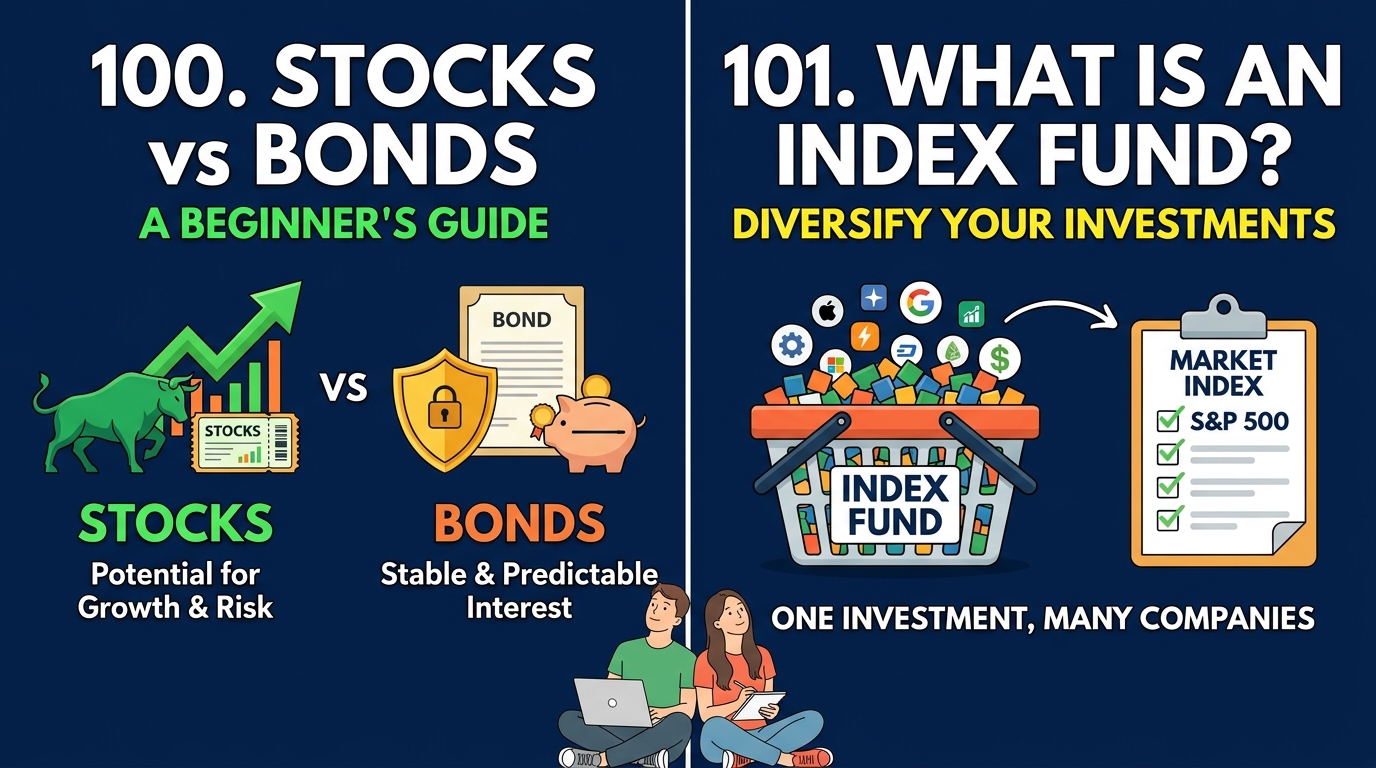
Picture this: you’re strolling through a bustling financial market, surrounded by a sea of investment options. Among the flashy stocks and complex financial instruments stands a humble yet powerful contender – the index fund. So, what exactly is an index fund? In simple terms, an index fund is a type of investment fund that aims to track the performance of a specific market index, such as the S&P 500. By investing in a diverse range of assets that mirror the composition of the index, investors can achieve broad market exposure with lower fees and less risk compared to actively managed funds. In essence, index funds offer a straightforward and cost-effective way for both novice and seasoned investors to participate in the financial markets and potentially reap the rewards of long-term growth.
How Index Funds Work
Index funds are a type of mutual fund or exchange-traded fund (ETF) that tracks a specific market index, such as the S&P 500. These funds aim to replicate the performance of the index they are tracking by holding the same securities in the same proportions as the index itself. This passive investment strategy is popular among investors seeking broad market exposure at a low cost.
Passive Management
Index funds are passively managed, meaning they do not require active decision-making by fund managers. Instead, they simply aim to mirror the performance of the underlying index. This passive approach typically results in lower management fees compared to actively managed funds, making index funds an attractive option for cost-conscious investors.
Diversification
By investing in an index fund, investors are able to achieve instant diversification across a wide range of securities within the index. This diversification helps spread risk and reduce the impact of individual stock price movements on the overall performance of the fund. Additionally, index funds provide exposure to various sectors and industries, offering a well-rounded investment portfolio with minimal effort.
 What Is an Index Fund?
Types of Index Funds
Equity Index Funds: Equity index funds track a specific stock market index, such as the S&P 500, by holding a diversified portfolio of stocks that mirror the index’s composition. These funds are ideal for investors seeking broad market exposure and long-term growth potential.
Bond Index Funds: Bond index funds invest in a diversified portfolio of bonds that replicate the performance of a particular bond index, like the Bloomberg Barclays U.S. Aggregate Bond Index. These funds are suitable for investors looking for fixed income investments with lower risk compared to equities.
Sector Index Funds: Sector index funds focus on specific sectors of the economy, such as technology, healthcare, or energy. By investing in companies within a particular industry, investors can capitalize on the growth potential of that sector while diversifying their portfolio.
Factors to Consider When Choosing Index Funds
Expense Ratio: One of the most important factors to consider when choosing index funds is the expense ratio. This ratio represents the percentage of your investment that the fund manager charges as fees each year. Lower expense ratios mean more of your returns stay in your pocket.
Tracking Error: Another crucial factor is the tracking error of the index fund. This metric measures how closely the fund tracks its target index. A lower tracking error indicates that the fund is closely mirroring the index’s performance, while a higher tracking error may mean the fund is deviating from the index more frequently.
Diversification: It’s essential to consider the level of diversification offered by the index fund. Diversification helps reduce risk by spreading investments across different assets. Look for funds that provide exposure to a wide range of companies and sectors to minimize concentration risk.
Top Index Funds to Consider
Vanguard Total Stock Market Index Fund (VTSAX): This index fund is known for its broad diversification across the entire U.S. stock market. It aims to replicate the performance of the CRSP US Total Market Index, providing exposure to large, mid, small, and micro-cap stocks. With a low expense ratio and solid long-term performance, VTSAX is a popular choice for investors seeking broad market exposure.
iShares Core S&P 500 ETF (IVV): This exchange-traded fund (ETF) tracks the performance of the S&P 500 index, which includes 500 of the largest publicly traded companies in the U.S. The fund offers low fees, high liquidity, and a straightforward way to invest in some of the most prominent companies in the country. IVV is a favorite among investors looking for exposure to large-cap U.S. stocks.
Index funds offer a low-cost, diversified investment option for both novice and experienced investors alike. By tracking a specific market index, these funds provide a simple way to achieve broad market exposure without the need for active management. For long-term investors looking to build wealth steadily over time, index funds can be a solid foundation for a well-balanced portfolio.
It is important to remember that while index funds offer many advantages, they may not be suitable for every individual’s investment goals or risk tolerance. Investors should carefully consider their financial objectives, time horizon, and risk appetite before deciding to allocate funds to index funds. Additionally, staying informed about market trends and regularly reviewing the performance of chosen index funds can help investors make informed decisions and adjust their investment strategy as needed.