
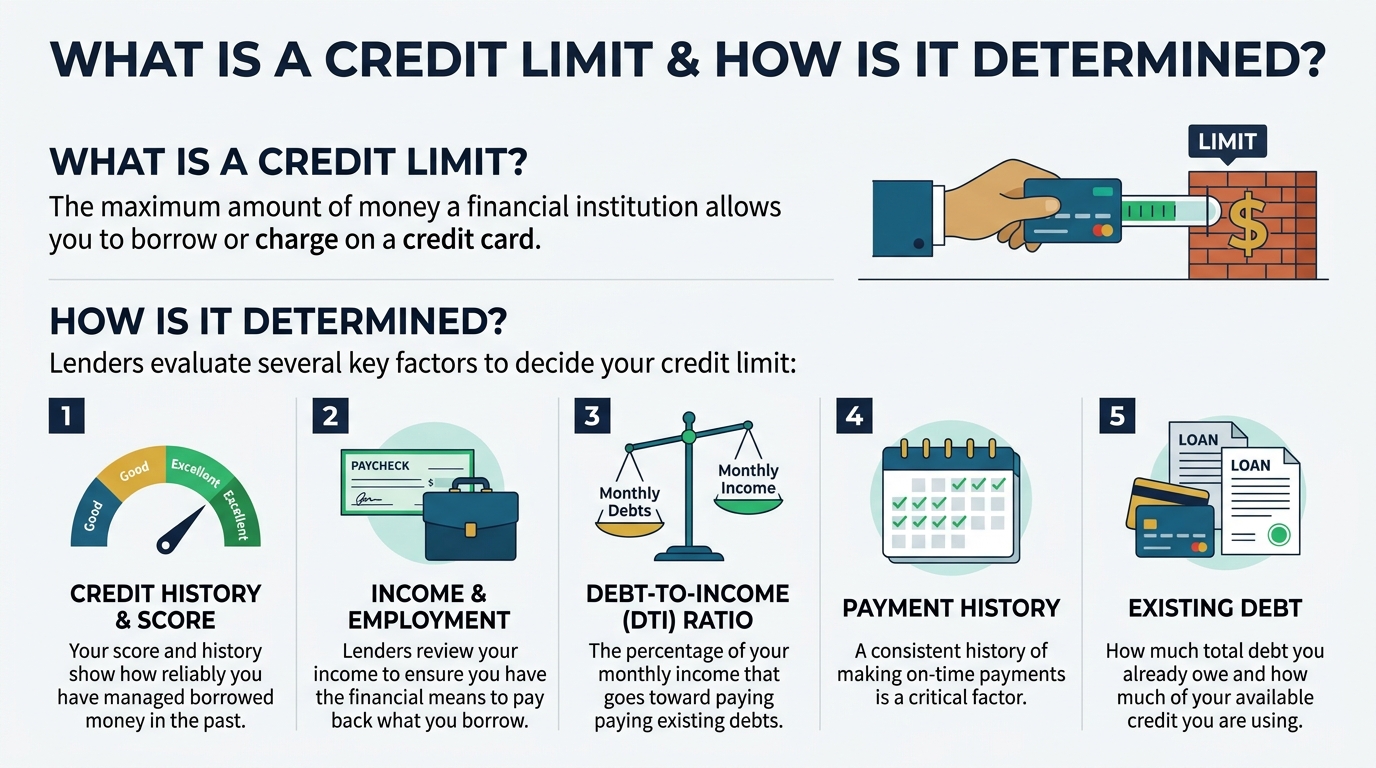
Ever wondered how credit card companies determine your spending limit? Your credit limit is like a magic number that holds the key to your purchasing power. It’s the ultimate gatekeeper to your financial freedom, dictating how much you can charge on your card. But how is this mystical number decided? Well, it’s not just plucked out of thin air. Factors like your credit score, income level, and credit history all come into play to determine your credit limit. So, the next time you swipe your card, remember that your credit limit isn’t just a random number – it’s a carefully calculated figure tailored to your financial profile.
Importance of Understanding Your Credit Limit
Understanding your credit limit is crucial for managing your finances effectively. Your credit limit represents the maximum amount of money that your credit card issuer allows you to borrow. It plays a significant role in determining your overall credit utilization ratio, which is a key factor in your credit score calculation. By knowing your credit limit, you can avoid exceeding it and incurring over-limit fees or damaging your credit score.
Failing to understand your credit limit can lead to financial troubles. If you regularly max out your credit card or exceed your credit limit, it can negatively impact your credit score and creditworthiness. Additionally, not being aware of your credit limit can make it challenging to track your spending and stay within your budget. By staying informed about your credit limit and using it responsibly, you can build a positive credit history and maintain financial stability.
 What Is a Credit Limit and How Is It Determined?
How Credit Card Companies Set Credit Limits
Credit score: One of the primary factors that credit card companies consider when setting credit limits is the applicant’s credit score. A higher credit score indicates a history of responsible credit management, which can lead to a higher credit limit. On the other hand, a lower credit score may result in a lower credit limit or even a rejection of the application.
Income: Another key factor that credit card companies take into account is the applicant’s income. A higher income generally translates to a higher credit limit since it indicates a higher ability to repay debts. Applicants with lower incomes may receive lower credit limits to mitigate the risk of default.
Tips for Managing Your Credit Limit Effectively
1. Monitor Your Spending: Keeping track of your expenses is crucial in managing your credit limit effectively. By monitoring your spending habits regularly, you can ensure that you stay within your credit limit and avoid exceeding it, which could lead to penalties or higher interest rates.
Set a Budget: Establishing a budget will help you plan your expenses and allocate funds accordingly. By setting limits on different categories of spending, such as groceries, entertainment, and utilities, you can better manage your credit limit and avoid overspending.
Pay On Time: Timely payments are essential for managing your credit limit effectively. Late payments not only incur fees and penalties but also negatively impact your credit score. Setting up automatic payments or reminders can help ensure that you never miss a payment deadline.
Avoid Maxing Out Your Credit Card: Utilizing the full credit limit on your card can be risky as it increases your credit utilization ratio, which can negatively impact your credit score. Aim to keep your credit utilization below 30% to maintain a healthy credit profile.
Common Misconceptions About Credit Limits
Credit limits are not an indication of financial health: One common misconception is that having a high credit limit means you are financially stable. However, your credit limit is mainly based on your credit history, income, and other factors, not necessarily your current financial situation. It’s important to manage your credit responsibly regardless of your credit limit to maintain a good credit score.
Increasing your credit limit will automatically improve your credit score: While a higher credit limit can potentially lower your credit utilization ratio, which is a factor in your credit score, simply increasing your credit limit does not guarantee a better credit score. Your credit score is influenced by various factors, including payment history, credit mix, and length of credit history. It’s essential to focus on all aspects of your credit profile, not just your credit limit, to improve your credit score.
Conclusion: Taking Control of Your Credit Limit
Understanding your credit limit is crucial for managing your finances effectively. By being aware of your credit limit, you can avoid overspending and accumulating debt that you may struggle to repay. It is important to stay within your credit limit to maintain a healthy credit score and financial stability.
Take control of your credit limit by setting a personal limit that is lower than your actual credit limit. This self-imposed limit can help you prevent impulsive spending and ensure that you stay within your means. Regularly monitoring your credit card statements and expenses can also help you track your spending and avoid exceeding your credit limit.