
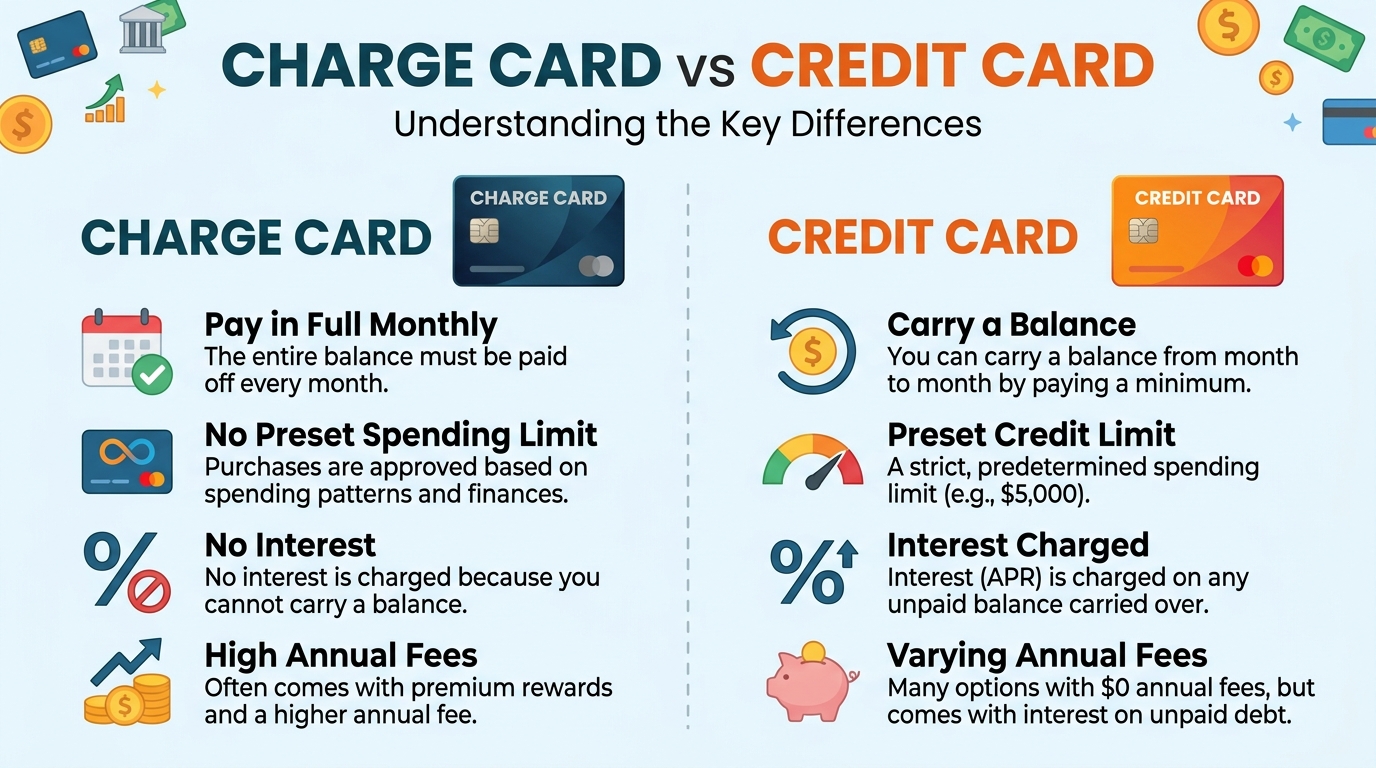
Ever wondered about the difference between a charge card and a credit card? While both may seem similar at first glance, they actually serve different purposes in the world of personal finance. A charge card requires you to pay off the full balance each month, making it a great option for those who want to avoid accumulating debt. On the other hand, a credit card allows you to carry a balance from month to month, offering more flexibility in managing your expenses. Understanding the distinctions between these two types of cards can help you make informed decisions about your financial habits and goals.
Benefits of Using a Charge Card
Rewards Programs: One of the major benefits of using a charge card is the potential to earn rewards through various programs. These rewards can include cash back, travel points, or discounts on purchases. By responsibly using a charge card, cardholders can maximize these rewards and enjoy additional perks such as free flights, hotel stays, or even statement credits.
Build Credit History: Another advantage of using a charge card is the opportunity to build a positive credit history. Charge cards typically require full payment of the balance each month, which can help cardholders establish a pattern of responsible borrowing and on-time payments. A strong credit history is essential for obtaining loans, mortgages, and favorable interest rates in the future.
 What Is a Charge Card vs a Credit Card?
Benefits of Using a Credit Card
1. Convenience: One of the main benefits of using a credit card is the convenience it offers. With a credit card, you can make purchases online, in-store, or over the phone without the need for cash. This flexibility allows you to manage your expenses more efficiently and provides a sense of security in case of emergencies.
Rewards and Perks: Many credit cards come with rewards programs that allow you to earn points, cash back, or miles for every purchase you make. These rewards can add up quickly and provide you with benefits such as travel discounts, cash rebates, or gift cards. Additionally, some credit cards offer perks like travel insurance, extended warranties, and purchase protection, enhancing your overall shopping experience.
Drawbacks of Charge Cards
High annual fees: Charge cards often come with high annual fees compared to credit cards. These fees can add up quickly, especially if you carry a balance on the card.
No revolving credit: With charge cards, you are required to pay off the full balance each month. This lack of flexibility can be a drawback for individuals who prefer to carry a balance over time to manage their cash flow.
Limited acceptance: Some merchants may not accept charge cards due to higher processing fees associated with them. This can be inconvenient in certain situations, especially when traveling or making large purchases.
Drawbacks of Credit Cards
High-interest rates: One of the major drawbacks of credit cards is the high-interest rates that can accrue on unpaid balances. If a cardholder carries a balance from month to month, they may end up paying a significant amount in interest charges, which can negate any rewards or benefits gained from using the card.
Overspending: Credit cards can make it easy for individuals to overspend beyond their means. The convenience of swiping a card can lead to impulse purchases and a false sense of financial security. Without proper budgeting and self-control, credit card users may find themselves in debt that is difficult to repay.
Charge cards and credit cards each have their own advantages and disadvantages. It is important for consumers to carefully consider their financial habits and needs when choosing between the two. While charge cards offer the benefit of no preset spending limit and potential rewards, they also come with the requirement of full payment each month. On the other hand, credit cards provide more flexibility in terms of payment options and building credit history, but they can also lead to debt accumulation if not managed responsibly.
In conclusion, individuals should assess their spending habits, financial goals, and comfort level with debt before deciding which type of card to use. It is essential to practice responsible financial management regardless of the card chosen, such as making timely payments, monitoring expenses, and avoiding unnecessary debt. By understanding the differences between charge cards and credit cards, consumers can make informed decisions that align with their personal financial objectives.