
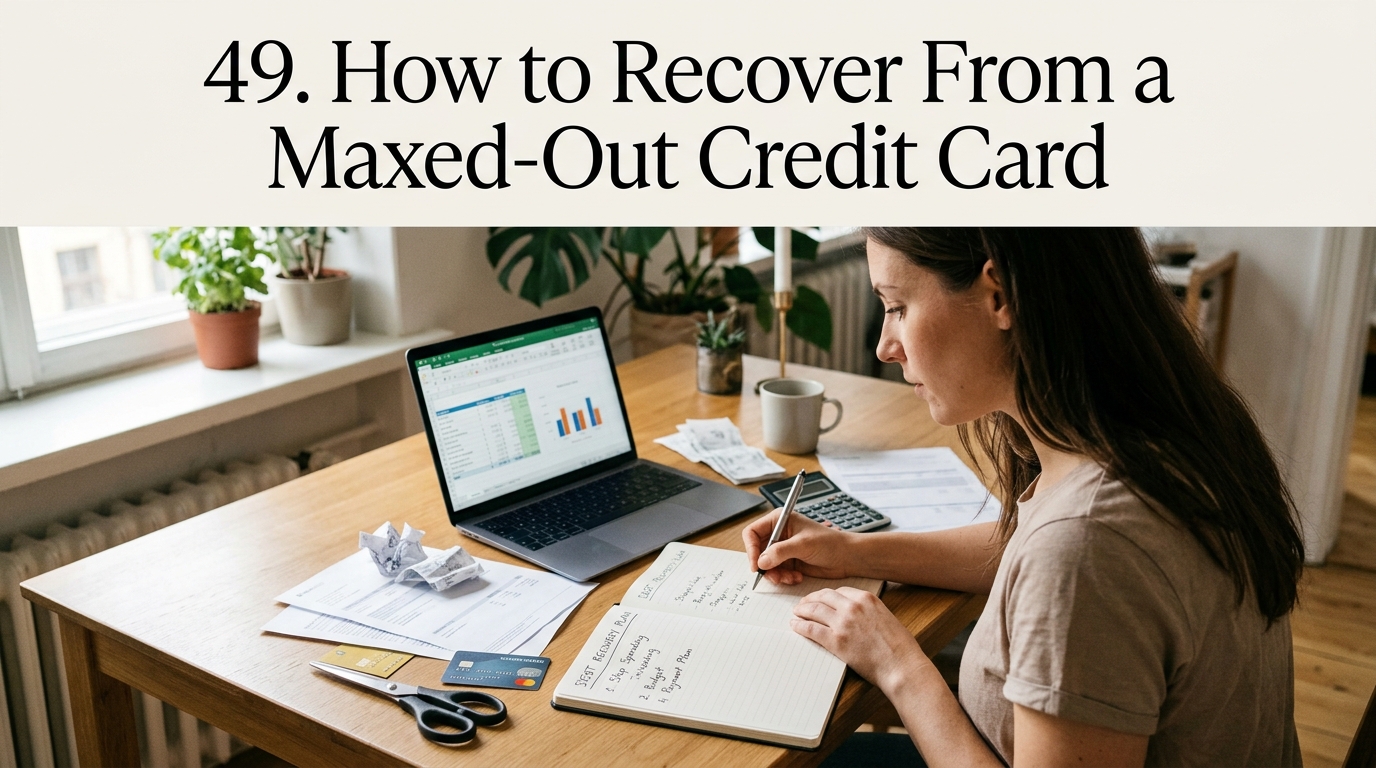
Hey there, ever found yourself in a panic after maxing out your credit card? Don’t worry, you’re not alone. It happens to the best of us. But the good news is that there are steps you can take to recover from this situation and get back on track with your finances.
Recovering from a maxed-out credit card requires a combination of discipline, planning, and determination. By creating a budget, cutting back on unnecessary expenses, and exploring options like balance transfers or debt consolidation, you can start chipping away at that debt and regaining control of your financial future. Remember, it’s never too late to turn things around and make smarter decisions with your money.
Creating a Repayment Plan
Assess Your Current Debt: The first step in creating a repayment plan is to assess your current credit card debt. Gather all your credit card statements and list down the outstanding balances, interest rates, and minimum monthly payments. Understanding the total amount you owe is crucial in formulating an effective repayment strategy.
Set Realistic Goals: Once you have a clear picture of your debt, set realistic goals for repayment. Determine how much you can afford to pay each month towards your credit card debt while still covering your other expenses. Setting achievable milestones can help you stay motivated and track your progress towards becoming debt-free.
 How to Recover From a Maxed-Out Credit Card
Negotiating with Credit Card Companies
Negotiating with credit card companies can be an effective way to manage your debt and potentially reduce the amount you owe. When negotiating with credit card companies, it’s important to be prepared and have a clear understanding of your financial situation. Start by contacting your credit card company and explaining your circumstances, such as job loss or unexpected medical expenses, that have made it difficult for you to make payments. Be honest and provide any supporting documentation to strengthen your case.
During negotiations, be polite and persistent. Ask if there are any hardship programs or debt settlement options available. You may be able to negotiate a lower interest rate, reduced fees, or a payment plan that fits your budget. It’s essential to get any agreements in writing to ensure clarity and avoid misunderstandings. Remember, credit card companies want to recover as much of the debt as possible, so they may be willing to work with you to find a mutually beneficial solution.
Seeking Professional Help
Financial Counselors: Financial counselors are trained professionals who can help you navigate your credit card debt situation. They can provide personalized advice on budgeting, debt management, and creating a plan to pay off your credit card balances. Seeking help from a financial counselor can give you a clearer understanding of your financial situation and help you make informed decisions moving forward.
Debt Relief Agencies: Debt relief agencies specialize in negotiating with creditors on your behalf to reduce your overall debt amount or interest rates. They can also help you consolidate your debts into a more manageable payment plan. Before choosing a debt relief agency, make sure to research their reputation and ensure they are a legitimate organization. Working with a reputable debt relief agency can provide you with the support and resources needed to tackle your credit card debt effectively.
Avoiding Future Credit Card Debt
Establish a Budget: One of the most effective ways to avoid future credit card debt is by creating and sticking to a budget. Start by listing all your monthly income sources and expenses. Differentiate between essential expenses (such as rent, utilities, and groceries) and non-essential expenses (like dining out or shopping). Allocate a specific amount for discretionary spending and ensure your total expenses do not exceed your income.
Use Credit Cards Wisely: Avoid using credit cards for impulse purchases or luxury items that you cannot afford. Instead, reserve credit card usage for necessary expenses and emergencies. Pay off your credit card balance in full each month to avoid accruing interest charges. Consider using debit cards or cash for everyday purchases to prevent overspending and accumulating debt.
Reflecting on Your Journey: As you reach the conclusion of this guide, take a moment to reflect on the progress you’ve made in managing your credit card debt. By following the steps outlined in the previous sections, you have equipped yourself with valuable knowledge and strategies to take control of your financial situation.
Stay Committed to Financial Wellness: Remember that managing credit card debt is an ongoing process that requires discipline and commitment. Continue to track your spending, stick to your repayment plan, and explore additional resources or professional help if needed. By staying proactive and mindful of your financial decisions, you can work towards a debt-free future and financial stability.