
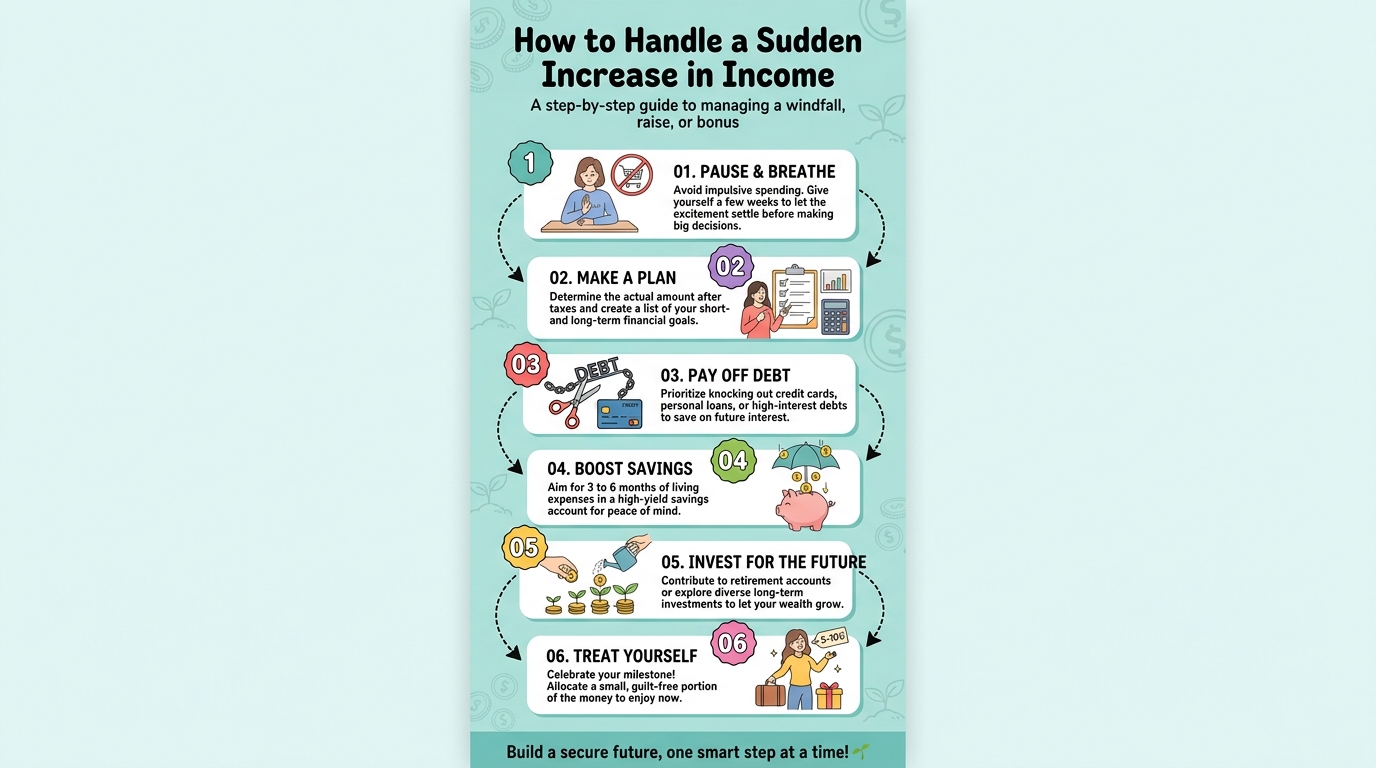
So, you’ve hit the jackpot and now you’re swimming in cash? That’s the dream, right? But hold up – suddenly having more money than you know what to do with can be a bit overwhelming. Don’t worry, I’ve got your back. Whether it’s a raise, a windfall, or a sudden surge in business profits, handling a sudden increase in income requires some savvy financial management. It’s not just about spending it all on luxury items or letting it sit idly in your bank account. In this blog post, we’ll explore some practical tips and strategies to help you make the most of your newfound wealth and ensure long-term financial stability. Let’s dive in and make sure that influx of cash works for you, not against you.
Setting Financial Goals
Identifying and setting clear financial goals is a crucial step towards achieving financial success. Start by evaluating your current financial situation, including income, expenses, assets, and liabilities. With a clear understanding of where you stand financially, you can then establish short-term and long-term goals. Short-term goals could include building an emergency fund, paying off high-interest debt, or saving for a specific purchase. Long-term goals may involve retirement planning, buying a home, or funding a child’s education.
It’s essential to make your financial goals SMART: Specific, Measurable, Achievable, Relevant, and Time-bound. Setting specific goals helps you focus your efforts and track progress. Measurable goals allow you to quantify your objectives and know when you’ve achieved them. Ensure your goals are realistic and attainable based on your current financial situation. Relevance ensures that your goals align with your values and priorities. Lastly, setting a timeframe for each goal creates a sense of urgency and accountability, motivating you to take action.
 How to Handle a Sudden Increase in Income
Creating a Budget
Why Budgeting is Crucial: Budgeting is the cornerstone of financial stability. By creating a budget, you gain a clear understanding of your income and expenses, allowing you to allocate funds wisely and avoid overspending. A well-designed budget helps you track where your money is going, identify areas for improvement, and ultimately reach your financial goals.
Steps to Create an Effective Budget: Start by listing all sources of income and categorizing your expenses into fixed (e.g., rent, utilities) and variable (e.g., groceries, entertainment). Set realistic limits for each category based on your income and priorities. Regularly review and adjust your budget to ensure it reflects your current financial situation. Use budgeting tools or apps to streamline the process and stay organized. Remember, a budget is a dynamic tool that evolves with your financial needs and goals.
Investing Wisely
Understanding Investment: Investing wisely is crucial for long-term financial success. Before diving into any investment, it’s essential to understand the basics of investing. This includes knowing the different types of investments available, such as stocks, bonds, mutual funds, and real estate. Each type of investment carries its own level of risk and potential return. It’s important to diversify your investment portfolio to spread risk and maximize potential returns.
Risk Management: Managing risk is a key aspect of investing wisely. Assessing your risk tolerance is crucial in determining the right investment strategy for you. Conservative investors may prefer low-risk investments with stable returns, while aggressive investors may be willing to take on higher risks for the potential of higher returns. It’s important to balance risk and return based on your financial goals and timeline. Regularly reviewing and adjusting your investment portfolio is essential to ensure it aligns with your financial objectives.
Paying Off Debts
Understanding Your Debt: Before you can start paying off your debts, it’s crucial to have a clear understanding of what you owe. List out all your debts, including credit cards, loans, and any other outstanding balances. Take note of the total amount owed, the interest rates, and minimum monthly payments for each debt. This information will help you prioritize which debts to tackle first.
Debt Repayment Strategies: Once you have a comprehensive view of your debts, it’s time to develop a repayment strategy. Two common approaches are the snowball method, where you pay off the smallest debts first to gain momentum, and the avalanche method, where you tackle debts with the highest interest rates first to save money in the long run. Choose a strategy that aligns with your financial goals and start making extra payments towards your debts to accelerate the payoff process.
Seeking Professional Advice
When to Seek Help: Seeking professional financial advice can be crucial in certain situations. If you are facing complex financial decisions, like planning for retirement, investing a significant amount of money, or dealing with tax issues, consulting with a financial advisor or planner can provide valuable insights. They can help you navigate the intricacies of financial planning and ensure you are making informed decisions.
Benefits of Professional Advice: Professional financial advisors have the expertise and experience to offer tailored advice based on your specific financial goals and circumstances. They can help you create a comprehensive financial plan, optimize your investment portfolio, and develop strategies to achieve your long-term financial objectives. Additionally, financial advisors can provide objective guidance, helping you avoid common pitfalls and make sound financial decisions that align with your goals and risk tolerance.