
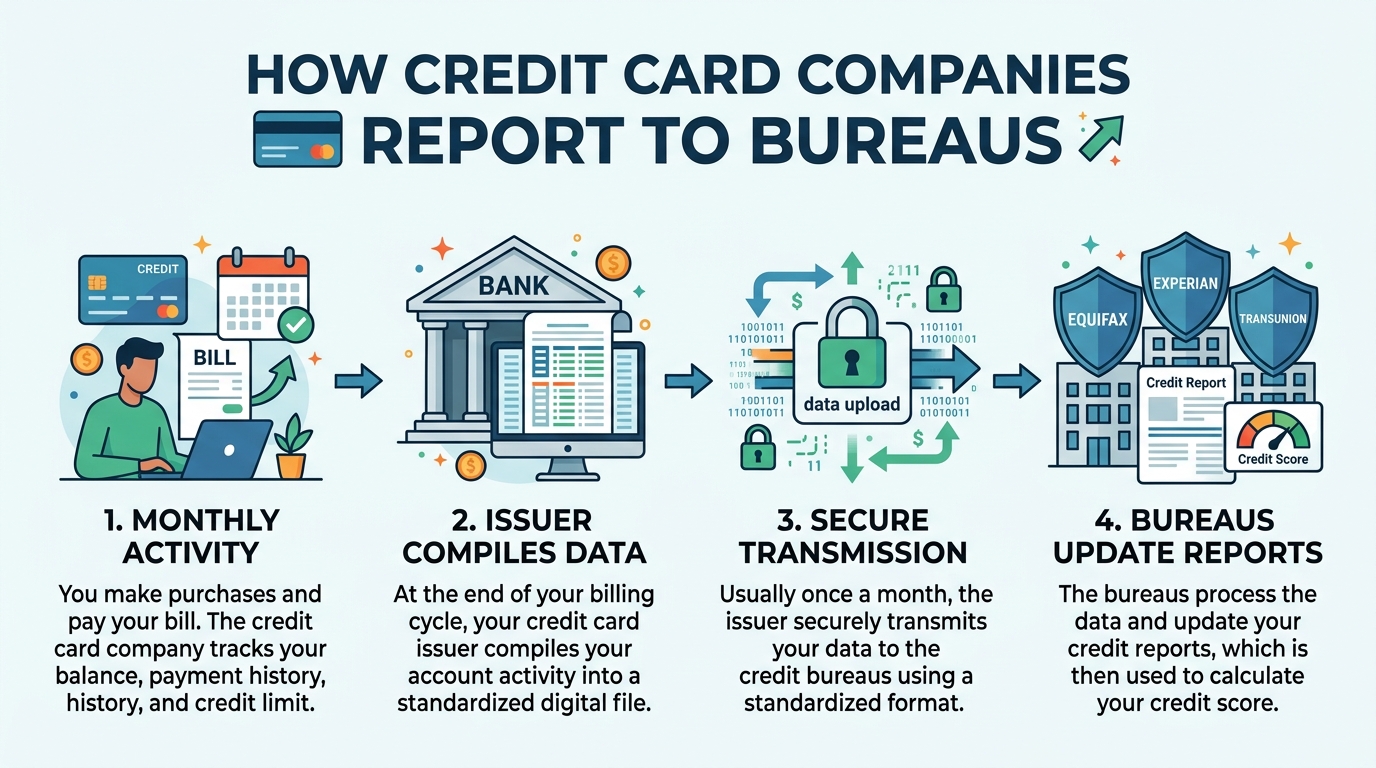
Ever wondered how credit card companies have the power to influence your credit score? It’s all in the way they report your behavior to credit bureaus. Each month, credit card companies send information about your payment history, credit limit, and outstanding balance to these bureaus. This data is crucial in determining your creditworthiness and can have a significant impact on your ability to secure loans or favorable interest rates. Understanding how credit card companies report to bureaus is essential for anyone looking to maintain a healthy credit profile and financial future.
How Credit Card Companies Report to Bureaus
Credit card companies play a crucial role in the credit reporting process by regularly providing updates on their customers’ credit activities to major credit bureaus such as Equifax, Experian, and TransUnion. These updates include information on credit card usage, payment history, credit limits, and outstanding balances. By reporting this data, credit card companies help build a comprehensive credit profile for individuals, which is used by lenders to assess creditworthiness.
Typically, credit card companies report to credit bureaus on a monthly basis, although some may report more frequently. The information provided by these companies is used to calculate individuals’ credit scores, which have a significant impact on their ability to access credit at favorable terms. It is essential for consumers to understand how credit card companies report to bureaus and to ensure that the information being reported is accurate and up-to-date to maintain a healthy credit profile.
 How Credit Card Companies Report to Bureaus
Impact of Credit Reporting on Credit Score
Credit reporting plays a crucial role in determining an individual’s credit score. The information provided to credit bureaus by lenders and financial institutions is used to calculate a person’s creditworthiness. Factors such as payment history, credit utilization, length of credit history, types of credit accounts, and new credit inquiries all contribute to the overall credit score. A positive credit report, with on-time payments and low credit utilization, can result in a higher credit score, making it easier to qualify for loans, credit cards, and favorable interest rates.
On the other hand, negative information on a credit report can significantly impact a person’s credit score. Late payments, accounts in collections, high credit card balances, and bankruptcy filings can all lower a credit score, making it more challenging to access credit and potentially leading to higher interest rates. It is essential for individuals to monitor their credit reports regularly, address any errors or discrepancies, and make responsible financial decisions to maintain a healthy credit score.
Strategies to Improve Credit Reporting
Regularly Check Your Credit Report: One of the most effective ways to improve credit reporting is to monitor your credit report regularly. By reviewing your report, you can identify any errors or inaccuracies that may be negatively impacting your credit score. Reporting any discrepancies to the credit bureaus can help rectify the issues and improve your credit profile.
Pay Bills on Time: Timely payment of bills, including credit card payments, is crucial for maintaining a positive credit history. Late payments can significantly impact your credit score, so it’s essential to prioritize paying bills on time. Setting up automatic payments or reminders can help ensure you never miss a payment deadline.
Common Mistakes to Avoid
Not Checking Credit Reports Regularly: One common mistake to avoid is not checking your credit report regularly. By regularly monitoring your credit report, you can catch errors or fraudulent activity early and take steps to rectify them. It is recommended to check your credit report at least once a year from each of the three major credit bureaus.
Maxing Out Credit Cards: Another mistake is maxing out your credit cards. Using up all of your available credit can negatively impact your credit utilization ratio, which is a key factor in determining your credit score. It is advisable to keep your credit utilization below 30% to maintain a healthy credit score.
In conclusion, understanding credit reporting is crucial for managing your financial health. By comprehending how credit card companies report to credit bureaus and how it impacts your credit score, you can make informed decisions to improve your creditworthiness. Implementing strategies to enhance your credit reporting, such as making timely payments and monitoring your credit report regularly, can help you achieve better financial outcomes in the long run.
Remember that avoiding common mistakes, like maxing out credit cards and neglecting to dispute errors on your credit report, is essential for maintaining a positive credit history. Overall, being proactive in managing your credit reporting can lead to better access to credit, lower interest rates, and improved financial opportunities. Take control of your credit reporting today to secure a brighter financial future.