
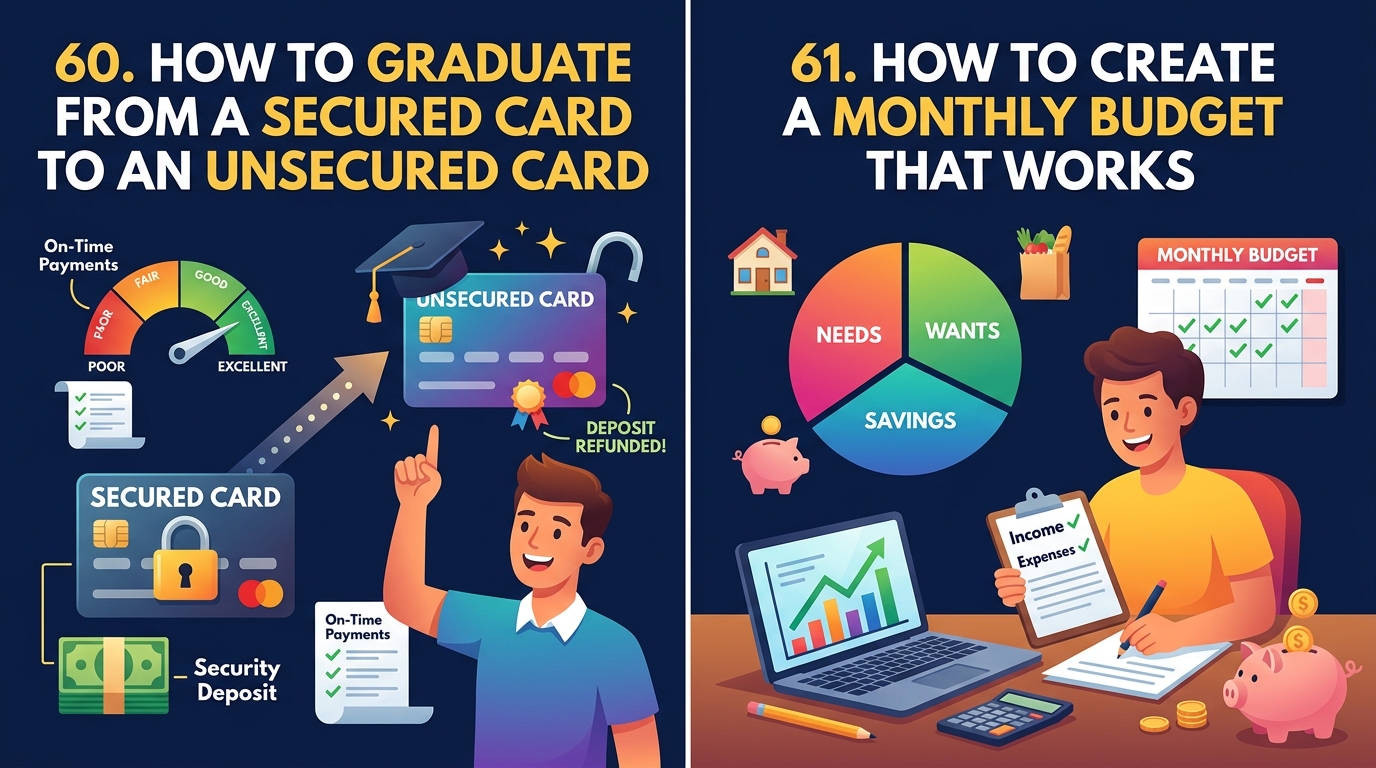
Hey there, budgeting warriors! Ready to take control of your finances and make that hard-earned money work for you? If you’ve ever found yourself scratching your head at the end of the month wondering where all your cash went, fear not – creating a monthly budget that actually works is easier than you think. By following a few simple steps and putting in a bit of effort upfront, you can pave the way for financial success and peace of mind. Let’s dive in and discover the secrets to crafting a monthly budget that will help you reach your money goals and live your best life!
Track Your Expenses
Monitoring your expenses is a crucial step in managing your finances effectively. By tracking your expenses, you can gain insights into where your money is going and identify areas where you can potentially cut back or make adjustments. It allows you to understand your spending habits and make informed decisions to improve your financial situation.
One effective way to track your expenses is by keeping a detailed record of all your expenditures. This can be done manually using a notebook or spreadsheet, or through budgeting apps and tools that automatically categorize your expenses. By categorizing your expenses into different categories such as housing, transportation, food, and entertainment, you can see a breakdown of where your money is being spent.
 How to Create a Monthly Budget That Works
Set Financial Goals
Setting financial goals is a crucial step in managing your finances effectively. By establishing clear objectives, you can create a roadmap that guides your financial decisions and helps you stay focused on achieving your desired outcomes. When setting financial goals, it’s essential to make them specific, measurable, achievable, relevant, and time-bound (SMART).
Identifying Short-Term and Long-Term Goals
It’s important to differentiate between short-term and long-term financial goals. Short-term goals typically involve immediate or near-future expenses, such as saving for a vacation or purchasing a new gadget. Long-term goals, on the other hand, are more significant and require sustained effort over an extended period, like buying a house, saving for retirement, or building an emergency fund.
Create Your Budget
Establishing a budget is a crucial step in managing your finances effectively. To create your budget, start by listing all your sources of income, such as salaries, bonuses, or any other earnings. Next, identify and categorize your expenses, including fixed costs like rent or mortgage payments, utilities, and insurance, as well as variable expenses like groceries, entertainment, and transportation.
Allocate Funds Wisely
Once you have a clear picture of your income and expenses, allocate funds to different categories based on priority and necessity. Make sure to set aside money for savings, emergency funds, and debt repayments. It is essential to strike a balance between spending on essentials and saving for future goals to achieve financial stability and security.
Monitor and Adjust
Regular Monitoring: It is essential to regularly monitor your budget to track your financial progress. Set aside time each week or month to review your income, expenses, and savings. By consistently monitoring your budget, you can identify any areas where you may be overspending or underestimating costs. This allows you to make timely adjustments to stay on track towards your financial goals.
Adjusting as Needed: Financial circumstances can change, so it is crucial to be flexible with your budget. If unexpected expenses arise or your income fluctuates, be prepared to adjust your budget accordingly. Consider reallocating funds from one category to another or finding ways to increase your income or reduce expenses. By being proactive and making necessary adjustments, you can ensure that your budget remains effective in helping you achieve your financial objectives.
Summary: In conclusion, creating and maintaining a budget is a vital part of managing your finances effectively. By following the steps outlined in this guide, you can take control of your financial situation and work towards achieving your financial goals.
Final Thoughts: Remember that budgeting is an ongoing process that requires regular monitoring and adjustments. It is important to stay disciplined and committed to your budget to see the desired results. With dedication and proper financial planning, you can build a strong financial foundation for a secure future.