
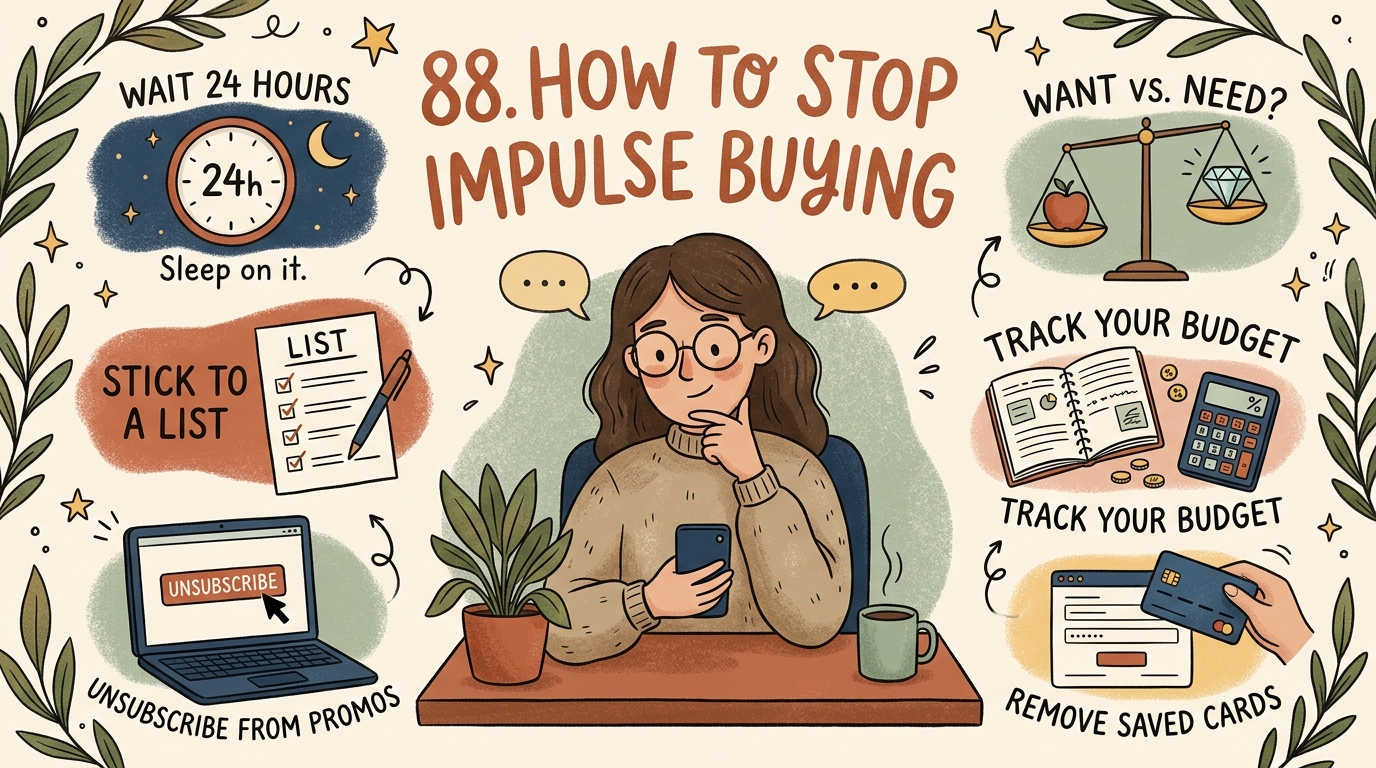
Do you often find yourself making impulse purchases that leave you with buyer’s remorse? That feeling of excitement when you buy something on a whim can quickly turn into guilt when you realize you didn’t really need it. If you’re tired of overspending and want to regain control over your finances, it’s time to learn how to stop impulse buying. By understanding the triggers that lead to impulse purchases and implementing strategies to curb those impulses, you can take back control of your spending habits. From creating a budget and setting financial goals to practicing mindfulness and avoiding temptation, there are plenty of ways to kick the impulsive buying habit to the curb.
Creating a Shopping List and Avoiding Temptation
Creating a shopping list is a powerful tool to help you stay organized and focused when you go shopping. By planning ahead and making a list of the items you need, you can avoid wandering around the store aimlessly and being tempted by unnecessary purchases. Make sure to include only the essentials on your list, and stick to it as closely as possible.
When you are at the store, avoiding temptation can be challenging, especially when you are surrounded by attractive displays and promotional offers. Stay disciplined and remind yourself of your goals and budget. Try to shop during less busy times to reduce distractions and impulse buying. By following your list and staying focused, you can resist the temptation to make unnecessary purchases and stick to your budget.
 How to Stop Impulse Buying
Practicing Mindful Shopping Techniques
Mindful shopping involves being present and aware of your thoughts, emotions, and actions while making purchasing decisions. By practicing mindfulness, you can avoid impulse buying and make more conscious choices that align with your values and goals.
One technique for mindful shopping is to pause before making a purchase and ask yourself if the item is a necessity or a want. Consider the long-term impact of the purchase on your finances and overall well-being. Additionally, practicing gratitude for what you already have can help shift your focus from acquiring more things to appreciating what you already possess.
Identifying triggers for impulse buying
Understanding the triggers
Identifying triggers for impulse buying is crucial in order to address the root causes of this behavior. Triggers can vary from person to person and may be influenced by factors such as emotions, stress, social pressure, or even specific environments. By recognizing these triggers, individuals can develop strategies to avoid or manage them effectively.
Common triggers to watch out for
Some common triggers for impulse buying include feelings of boredom, loneliness, or insecurity, as well as the desire for instant gratification or the fear of missing out on a perceived opportunity. Additionally, external factors like sales promotions, peer influence, or even the layout of a store can also trigger impulsive purchasing behavior. Being aware of these triggers can help individuals make more conscious decisions when faced with the urge to buy impulsively.
Finding Alternative Ways to Cope with Emotions
When faced with overwhelming emotions that may trigger impulse buying, it’s crucial to explore alternative coping mechanisms that are healthier and more sustainable. Instead of turning to shopping as a way to alleviate stress or sadness, consider engaging in activities that promote relaxation and emotional well-being. This could include practicing mindfulness, meditation, yoga, or exercise to release tension and clear your mind.
Another effective way to cope with emotions without resorting to impulse buying is to reach out to a trusted friend, family member, or therapist for support. Talking about your feelings and seeking advice or comfort from others can provide a sense of relief and perspective, helping you navigate challenging emotions without relying on retail therapy. Additionally, engaging in creative outlets such as writing, painting, or playing music can serve as cathartic ways to express and process your emotions in a constructive manner.
Seeking Professional Help If Necessary
Recognizing when professional help is needed for impulse buying behaviors is crucial for effective intervention and management. If you find yourself consistently struggling to control impulsive shopping urges despite trying various strategies, it may be time to seek the assistance of a mental health professional or therapist. They can help you explore underlying psychological factors contributing to your impulsive buying habits and provide tailored strategies to address them.
Therapists specializing in cognitive behavioral therapy (CBT) or addiction counseling can offer valuable insights and techniques to help you gain better control over your impulses. Additionally, seeking support from a financial advisor or counselor can assist in developing a sustainable budget and financial plan to curb impulsive spending. Remember, seeking professional help is a proactive step towards regaining control over your finances and overall well-being.