
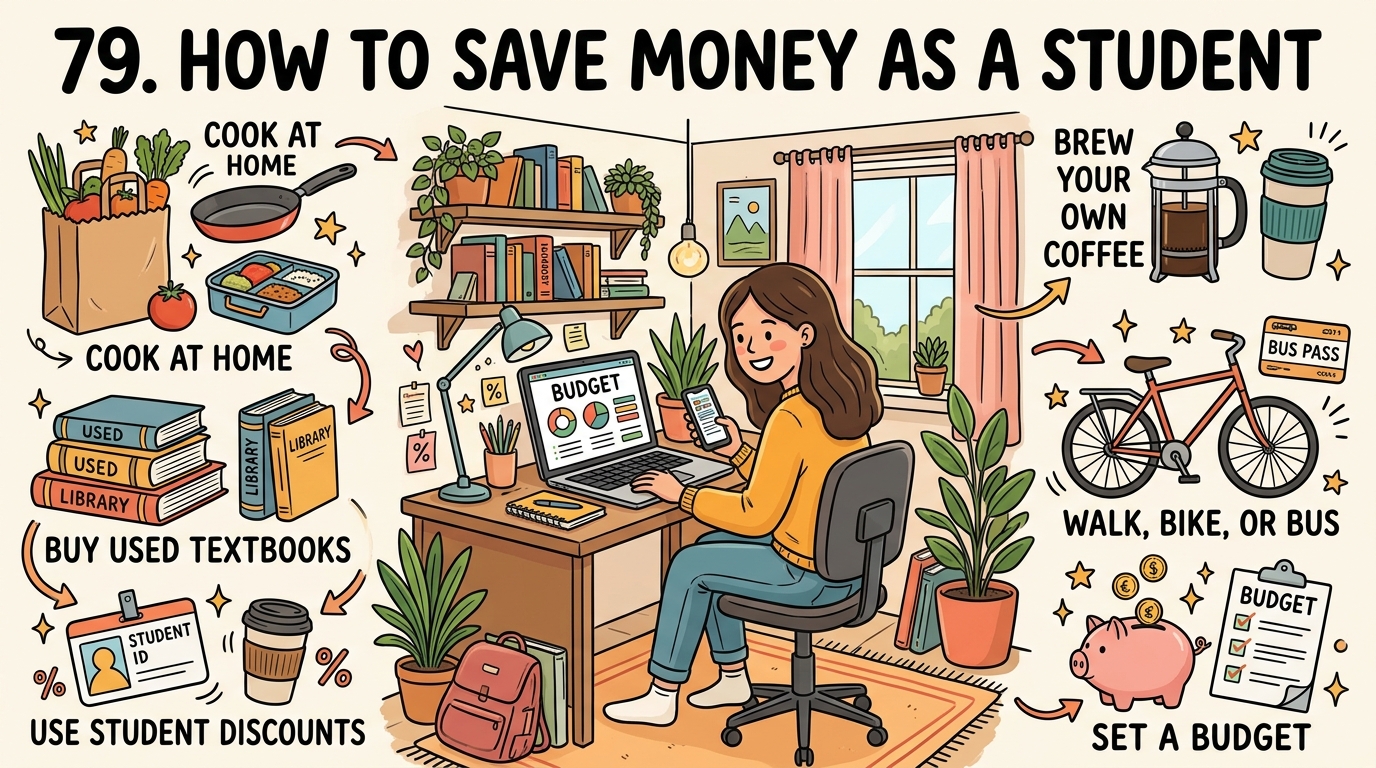
Hey there, fellow student! Let’s face it, being a student often means living on a tight budget. But fear not, because I’m here to share some savvy tips on how to save money without sacrificing your social life or missing out on the college experience. From budget-friendly meal planning to taking advantage of student discounts, there are plenty of ways to stretch your hard-earned cash a little further. So, if you’re ready to make your wallet a little happier, keep reading for some practical and easy-to-implement strategies that will help you save money as a student.
Student Discounts and Deals
Student discounts and deals are a great way for students to save money on a variety of products and services. Many companies offer discounts specifically for students, such as technology companies, clothing retailers, and entertainment venues. These discounts can help students stretch their budgets further and make it easier to afford the things they need.
One of the best ways to find student discounts and deals is to sign up for student discount programs or memberships. These programs often provide access to exclusive deals and promotions that are not available to the general public. Additionally, students can also take advantage of discounts by using their student IDs at local businesses or by shopping during special sales events geared towards students.
 How to Save Money as a Student
Meal Planning on a Budget
Creating a meal plan is a practical way to save money and ensure you have nutritious meals throughout the week. Start by listing your favorite meals and snacks, then organize them into a weekly menu. Consider using ingredients that can be used in multiple dishes to reduce waste and expenses. Planning ahead also allows you to take advantage of sales and discounts at grocery stores, helping you stick to your budget.
Batch cooking is another cost-effective strategy for meal planning. Prepare large portions of meals and freeze individual servings for later consumption. This not only saves time during busy weekdays but also prevents the temptation of ordering takeout when you’re too tired to cook. Additionally, buying generic or store-brand products, using coupons, and shopping at discount stores can further reduce your food expenses without compromising on taste or nutrition.
Part-Time Job Opportunities for Students
Exploring Part-Time Job Opportunities: Finding a part-time job as a student can be a great way to earn extra income while gaining valuable work experience. Consider seeking opportunities on or near your campus, such as working in the library, student center, or campus bookstore. Additionally, explore off-campus options like retail, food service, or tutoring.
Benefits of Part-Time Work: Working part-time can help students develop essential skills such as time management, communication, and teamwork. It can also provide financial independence and the ability to cover personal expenses or save for future goals. However, it is important to balance work commitments with academic responsibilities to ensure academic success.
Saving on Transportation Expenses
Public Transportation: Utilizing public transportation, such as buses or trains, can be a cost-effective way for students to commute to and from school. Many cities offer discounted rates for students, making it an affordable option compared to owning a car.
Carpooling: Carpooling with classmates or roommates can help split the cost of gas and parking fees. By sharing rides, students can save money while also reducing their carbon footprint.
Biking or Walking: For students living close to campus, biking or walking can be a healthy and inexpensive alternative to driving or taking public transportation. Investing in a bike or simply walking to school can save money on gas and parking expenses.
DIY Money-Saving Hacks for Students
Creating a budget-friendly environment as a student is essential to save money for other expenses. Here are some do-it-yourself money-saving hacks that can help you stretch your budget:
1. Upcycling and Repurposing
One way to save money is by upcycling and repurposing items you already own. Get creative and find new uses for old items, such as turning glass jars into storage containers or using old clothes for DIY projects. This not only saves money but also reduces waste and encourages sustainability.
2. Meal Prepping and Cooking in Bulk
Meal prepping and cooking in bulk can save you both time and money. Plan your meals for the week, buy ingredients in bulk, and prepare several meals at once. This not only helps you avoid the temptation of eating out but also ensures that you have affordable and nutritious meals ready to go.